I was speaking to a farmer a few weeks ago who was farming during the last drought in 1976 and he remembers two specific problems after the drought in that year – worms and grass tetany in cows. Tetany was an issue as, when rain came, there was a burst of growth and animals died due to lack of magnesium in grazed grass. Take precautions when grazing very lush grass with cows over the next few weeks and use a tetany preventative measure such as licks, boluses or water treatment. On the other issue, some stomach worms depend on moisture to hatch so, with recent rain, expect a big worm burden to come. Stomach worms are easy to pick up in a faecal sample, but lung worms are less predictable. Keep an eye out for any stock with a husky cough or coughing after movement to the yard. Bear in mind the resistance issues around certain products that are cropping up and ask your vet about treatment options and how to avoid resistance building on your farm.
Grass
ADVERTISEMENT
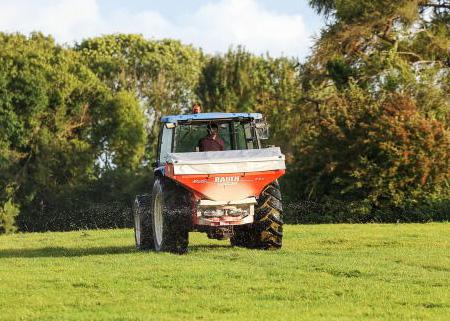
Rain during the week has meant that grass has started to green up again after the recent drought conditions. It’s a good idea to spread a compound fertiliser with P and K like 18:6:12 at the rate of 1 bag/acre. This will help root recovery and growth rates. Keep an eye on your phosphorus limits. Try to get fertiliser out on as much of the farm as possible in the coming days. Any excess grass that is grown can be take out as surplus silage and used as a buffer or sold if you think you have enough. Be careful about letting animals back to normal grazing too quickly and allow some covers build up before normal grazing resumes.
Third cut silage
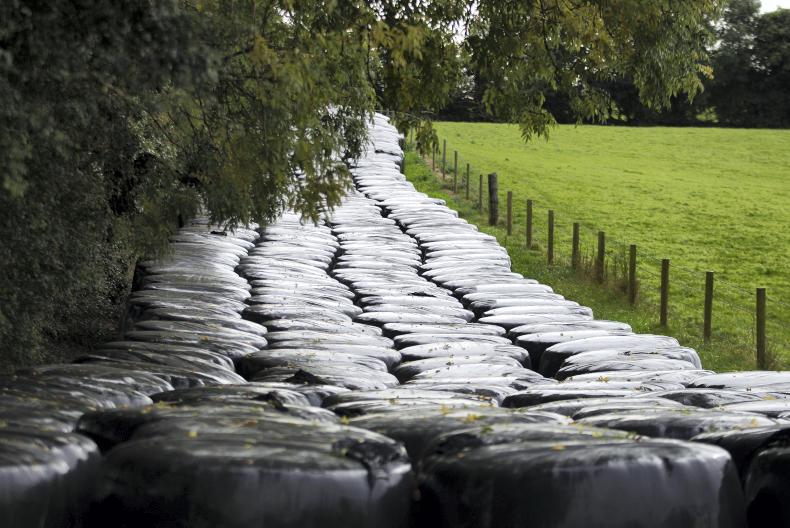
With a lot of second-cut silage going to be cut over the next few days, those who are thinking of closing up for a third cut should plan their fertiliser requirements now. There are some reports of high nitrogen levels in second cuts, so it’s important to test your silage and if high a good wilt is necessary to overcome the high levels. If there is any slurry left on the farm, this should be applied first, ideally with a trailing show, with about a week left between slurry and fertiliser application to avoid nitrogen losses. As grass growth and yields are generally lower than second-cut, the advice is to go with 60 units/acre on old pasture and around 70 units/acre (2.5 bags/acre of 27.5 CAN) on perennial ryegrass swards. Take account of nitrogen in any slurry that has been spread, however nitrogen recovery will be lower in summer. Two thousand gallons of slurry should contain about six units nitrogen (N), 10 units phosphorus (P) and 60 units of potassium (K) which will meet crop requirements for a five to seven bale crop of silage. If slurry is not applied you need to spread a compound fertiliser to replenish P and K from the two cuts of silage already.
Register for free to read this story and our free stories.
This content is available to digital subscribers and loyalty code users only. Sign in to your account, use the code or subscribe to get unlimited access.
The reader loyalty code gives you full access to the site from when you enter it until the following Wednesday at 9pm. Find your unique code on the back page of Irish Country Living every week.
CODE ACCEPTED
You have full access to the site until next Wednesday at 9pm.
CODE NOT VALID
Please try again or contact support.
Health issues
I was speaking to a farmer a few weeks ago who was farming during the last drought in 1976 and he remembers two specific problems after the drought in that year – worms and grass tetany in cows. Tetany was an issue as, when rain came, there was a burst of growth and animals died due to lack of magnesium in grazed grass. Take precautions when grazing very lush grass with cows over the next few weeks and use a tetany preventative measure such as licks, boluses or water treatment. On the other issue, some stomach worms depend on moisture to hatch so, with recent rain, expect a big worm burden to come. Stomach worms are easy to pick up in a faecal sample, but lung worms are less predictable. Keep an eye out for any stock with a husky cough or coughing after movement to the yard. Bear in mind the resistance issues around certain products that are cropping up and ask your vet about treatment options and how to avoid resistance building on your farm.
Grass
Rain during the week has meant that grass has started to green up again after the recent drought conditions. It’s a good idea to spread a compound fertiliser with P and K like 18:6:12 at the rate of 1 bag/acre. This will help root recovery and growth rates. Keep an eye on your phosphorus limits. Try to get fertiliser out on as much of the farm as possible in the coming days. Any excess grass that is grown can be take out as surplus silage and used as a buffer or sold if you think you have enough. Be careful about letting animals back to normal grazing too quickly and allow some covers build up before normal grazing resumes.
Third cut silage
With a lot of second-cut silage going to be cut over the next few days, those who are thinking of closing up for a third cut should plan their fertiliser requirements now. There are some reports of high nitrogen levels in second cuts, so it’s important to test your silage and if high a good wilt is necessary to overcome the high levels. If there is any slurry left on the farm, this should be applied first, ideally with a trailing show, with about a week left between slurry and fertiliser application to avoid nitrogen losses. As grass growth and yields are generally lower than second-cut, the advice is to go with 60 units/acre on old pasture and around 70 units/acre (2.5 bags/acre of 27.5 CAN) on perennial ryegrass swards. Take account of nitrogen in any slurry that has been spread, however nitrogen recovery will be lower in summer. Two thousand gallons of slurry should contain about six units nitrogen (N), 10 units phosphorus (P) and 60 units of potassium (K) which will meet crop requirements for a five to seven bale crop of silage. If slurry is not applied you need to spread a compound fertiliser to replenish P and K from the two cuts of silage already.
If you would like to speak to a member of our team, please call us on 01-4199525.
Link sent to your email address
We have sent an email to your address. Please click on the link in this email to reset your password. If you can't find it in your inbox, please check your spam folder. If you can't find the email, please call us on 01-4199525.
ENTER YOUR LOYALTY CODE:
The reader loyalty code gives you full access to the site from when you enter it until the following Wednesday at 9pm. Find your unique code on the back page of Irish Country Living every week.









SHARING OPTIONS