With many livestock farmers operating on a part-time basis, time can be at a premium. It’s a proven fact that if you think about what can go wrong with a task, it puts you in a better place to be able to deal with issues should they occur, and in some cases, could help prevent an accident happening as you are more aware of what could go wrong.
Ask yourself the question: what is my escape route here if things go wrong? This is especially important in a calving pen for example where cows can get aggressive at calving time and you may need a quick exit.
Health and wellbeing video series
As part of the health and wellbeing series, watch Adam Woods discuss self-handling of bulls and cows at calving time.
Think about the animals you are going to be working with. Were there issues with particular animals the last time you had them in?
Animals that are not handled frequently will be more dangerous at handling time.
Make sure everybody working with the cattle knows the risks involved.
An inexperienced person can be more of a liability than a help if handling nervous cattle.
Always remain calm around animals when handling. Shouting or running around cattle isn’t a good idea and will only stress them out.
Have proper handling facilities
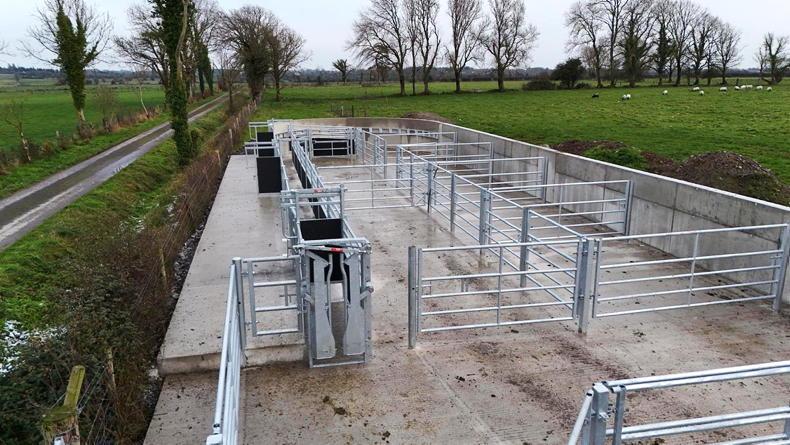
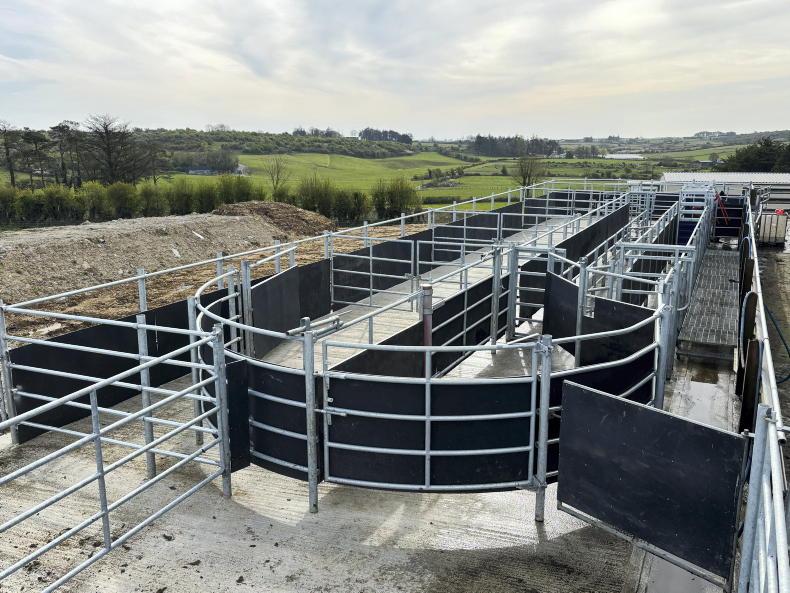
Every farm needs to have a handling yard and crush with a headgate for safe handling of livestock. It’s important that the design of this unit promotes good cattle movement in a safe way. It’s also important that there are safe areas for people working with cattle to stand. Having this area 2-3m wide alongside the crush means operators can work safely without the risk of crush injuries occurring.
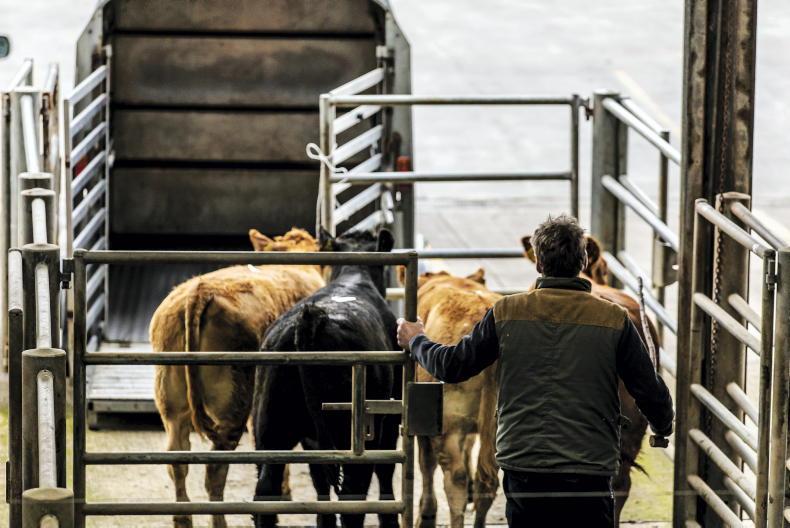
Good facilities will mean loading livestock is a lot easier.
Gates should be well hung and of a sufficient height to avoid animals jumping over them. It’s important that floor surfaces are slip-resistant and animals or stock persons don’t fall. Concrete grooving can help where old yards have become slippy due to excessive wearing.
Using stock board at the entrance to the race will help to encourage animals into the race. The crush and headgate should be very secure, especially around the headgate area where the most pressure will occur.
There should be a cattle-free working area around the headgate to work safely at the animal in the headgate. There are some very good designs of yards and crushes available and there is currently a 60% TAMS grant available to construct a new cattle handling facility.
A freshly calved cow is one of the most dangerous animals present on a livestock farm. Mother nature kicks in and the cow will do anything to protect her newborn calf. It’s very important never to come between a cow and her newborn calf. Being able to properly restrain a cow at calving time is also very important and a calving gate is a must where cows are calving. Have an escape route planned if you need to get out of pens quickly.
Are you able to roll underneath gates or can you get out across gates? Keep your charged mobile phone in your pocket in case you need it.
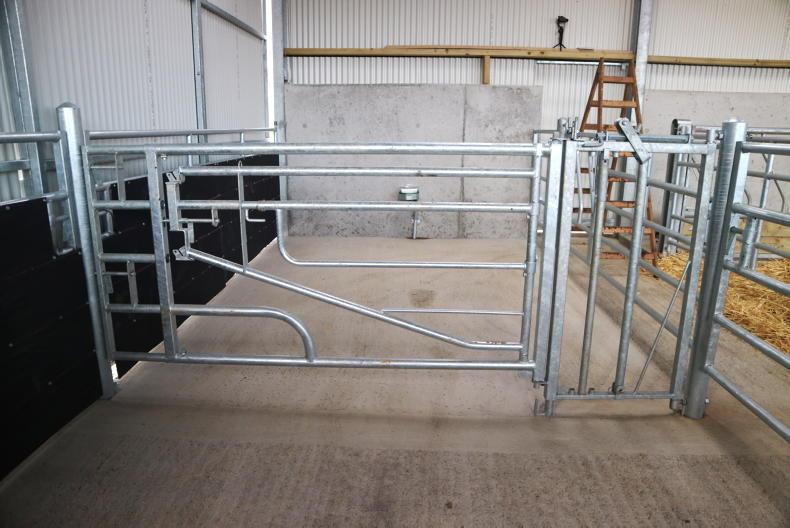
A calving gate is an absolute must on every suckler farm.
Cows can remain aggressive for a number of days after calving so be vigilant for aggressive cows. Cows that are known to be aggressive should be culled. Animals that have attacked once are likely to do so again.
Cattle known to be dangerous should not be sold through a mart and should be slaughtered directly off the farm.
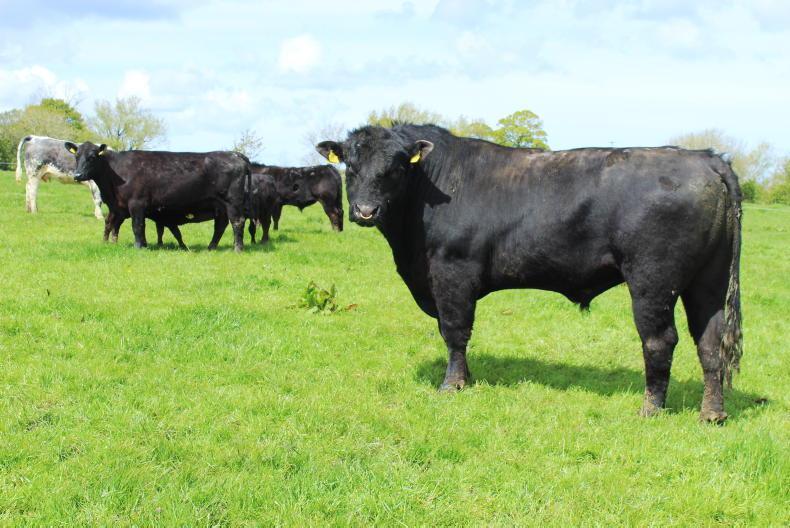
The autumn breeding season is kicking off on many farms around the country and with that comes the risk associated with stock bulls. Stock bulls should be well accustomed to their surroundings before the breeding season begins, and ideally will have been purchased a few months in advance.
All stock bulls should have a ring at a minimum. Take caution when entering fields or sheds with stock bulls present. Never bring pets like dogs into a field or shed when herding cattle as cows and bulls can perceive the pet as a threat and charge at them. Safety signs should be erected warning potential visitors about the presence of the stock bull and the risks associated with them.
A lot of injuries occur around loading and unloading cattle on to trailers. Make sure loading facilities are strong and able to withstand pressure. The trailer should be positioned to eliminate the chance of an animal escaping and all spaces at the side of trailers should be blocked to prevent escape.
Any steps should be less than 20cm and the ramp angle should be less than 15 degrees. Extreme caution is needed when closing gates behind cattle as cattle can kick back and throw the gate back out hitting someone on the ramp. At unloading, make sure everyone in the yard is aware that the animals are coming off the lorry/trailer and they have a safe route of passage.
With many livestock farmers operating on a part-time basis, time can be at a premium. It’s a proven fact that if you think about what can go wrong with a task, it puts you in a better place to be able to deal with issues should they occur, and in some cases, could help prevent an accident happening as you are more aware of what could go wrong.
Ask yourself the question: what is my escape route here if things go wrong? This is especially important in a calving pen for example where cows can get aggressive at calving time and you may need a quick exit.
Health and wellbeing video series
As part of the health and wellbeing series, watch Adam Woods discuss self-handling of bulls and cows at calving time.
Think about the animals you are going to be working with. Were there issues with particular animals the last time you had them in?
Animals that are not handled frequently will be more dangerous at handling time.
Make sure everybody working with the cattle knows the risks involved.
An inexperienced person can be more of a liability than a help if handling nervous cattle.
Always remain calm around animals when handling. Shouting or running around cattle isn’t a good idea and will only stress them out.
Have proper handling facilities
Every farm needs to have a handling yard and crush with a headgate for safe handling of livestock. It’s important that the design of this unit promotes good cattle movement in a safe way. It’s also important that there are safe areas for people working with cattle to stand. Having this area 2-3m wide alongside the crush means operators can work safely without the risk of crush injuries occurring.

Good facilities will mean loading livestock is a lot easier.
Gates should be well hung and of a sufficient height to avoid animals jumping over them. It’s important that floor surfaces are slip-resistant and animals or stock persons don’t fall. Concrete grooving can help where old yards have become slippy due to excessive wearing.
Using stock board at the entrance to the race will help to encourage animals into the race. The crush and headgate should be very secure, especially around the headgate area where the most pressure will occur.
There should be a cattle-free working area around the headgate to work safely at the animal in the headgate. There are some very good designs of yards and crushes available and there is currently a 60% TAMS grant available to construct a new cattle handling facility.
A freshly calved cow is one of the most dangerous animals present on a livestock farm. Mother nature kicks in and the cow will do anything to protect her newborn calf. It’s very important never to come between a cow and her newborn calf. Being able to properly restrain a cow at calving time is also very important and a calving gate is a must where cows are calving. Have an escape route planned if you need to get out of pens quickly.
Are you able to roll underneath gates or can you get out across gates? Keep your charged mobile phone in your pocket in case you need it.

A calving gate is an absolute must on every suckler farm.
Cows can remain aggressive for a number of days after calving so be vigilant for aggressive cows. Cows that are known to be aggressive should be culled. Animals that have attacked once are likely to do so again.
Cattle known to be dangerous should not be sold through a mart and should be slaughtered directly off the farm.
The autumn breeding season is kicking off on many farms around the country and with that comes the risk associated with stock bulls. Stock bulls should be well accustomed to their surroundings before the breeding season begins, and ideally will have been purchased a few months in advance.
All stock bulls should have a ring at a minimum. Take caution when entering fields or sheds with stock bulls present. Never bring pets like dogs into a field or shed when herding cattle as cows and bulls can perceive the pet as a threat and charge at them. Safety signs should be erected warning potential visitors about the presence of the stock bull and the risks associated with them.
A lot of injuries occur around loading and unloading cattle on to trailers. Make sure loading facilities are strong and able to withstand pressure. The trailer should be positioned to eliminate the chance of an animal escaping and all spaces at the side of trailers should be blocked to prevent escape.
Any steps should be less than 20cm and the ramp angle should be less than 15 degrees. Extreme caution is needed when closing gates behind cattle as cattle can kick back and throw the gate back out hitting someone on the ramp. At unloading, make sure everyone in the yard is aware that the animals are coming off the lorry/trailer and they have a safe route of passage.
SHARING OPTIONS