


There are many different methods of reseeding grassland to boost grass growth. The method used often comes down to labour availability, a farm’s stocking rate and ground type. Some farmers want to plough and level land, especially where land was not cultivated for years. Other farmers with high stocking rates want quick turnaround times so they prefer methods that require the least amount of cultivation and they don’t want to spend time picking stones.
All the contractors I spoke to insist that soil fertility and correct pH are essential for good establishment and persistency of a new reseed, no matter what method is being used. And that is one area farmers have control over. Where the ground is being sprayed off to kill the old vegetation, it is best to not go in too early with the machines to ensure a good kill of the old sward.
Guttler in Carlow
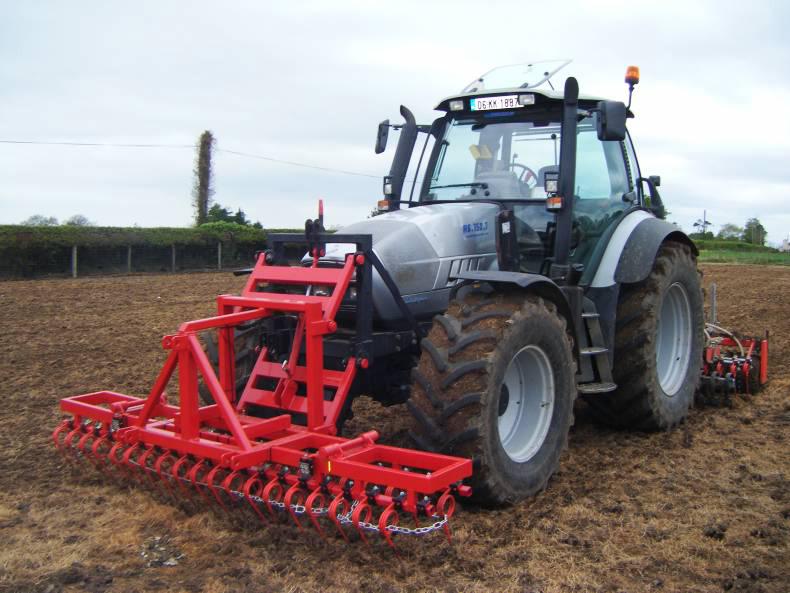
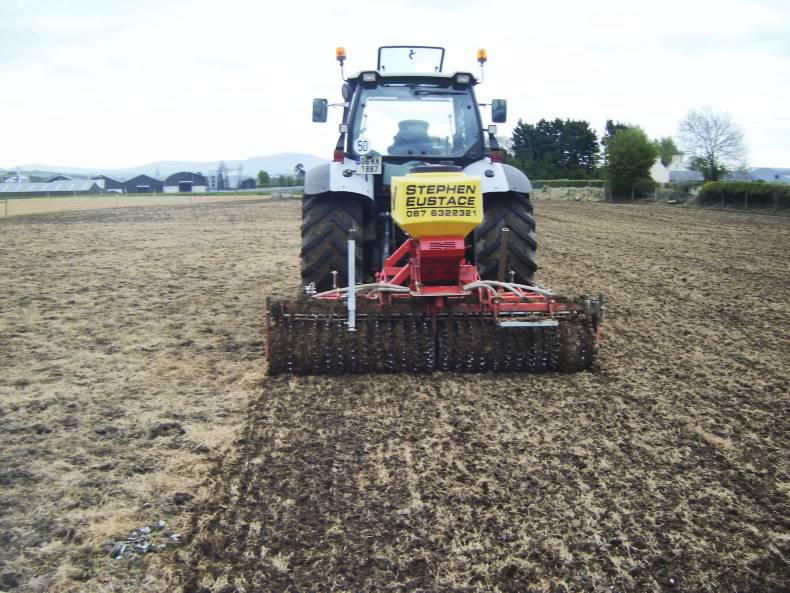
Stephen Eustace from Co Carlow is in his fifth year using the Guttler system for reseeding pasture. He says he is very happy with the system and has had repeat customers over the years.
“Dairy farmers are my biggest customers because they want quick turnaround times for their reseeds. Some farms I have reseeded had heifers back grazing in five weeks when conditions were ideal.”
Stephen says the best way to ensure a success with this system is to spray off a silage field with glyphosate five days before cutting. After cutting, wait a week to make sure all the old sward is killed. He advises to spread a tonne of lime per acre to help neutralise the effect of decaying trash residue.
A pH of 6.5 is required for good establishment of grass seed and persistency, so more than a tonne of lime per acre may be required if pH is very low.
Stephen says damp weather is needed for the Guttler system to work well. In very dry weather it is almost impossible to get good soil contact because often times the ground is too hard. That is why Stephen thinks a dry day following a damp showery day is ideal.
The Guttler system he uses has two-tine harrows with one harrow mounted in front of the tractor and the other just in front of the seeder. These harrows scratch the surface of the soil to bring up clay for contact with the seeds as they are spread.
The seeds are then pressed into the soil with the packer roller. Usually Stephen scratches a field with the tine harrows and goes back a second time to scratch again at a different angle and seed at a rate of 12-14kg per acre.
He charges €50+vat for two passes per acre. The Guttler system can also be used to stitch in clover to grassland. Stephen says if grassland is grazed tightly the Guttler system works well also.
Mintill in Galway
Mintill systems are becoming more popular on farms as people do not want the hassle of picking stones and feel ploughing is burying the most fertile land.
John Mitchell, a reseeding contractor from Tynagh, Co Galway, offers a min-till service to his customers. This involves discing and power-harrowing to prepare the seedbed. Usually for an early spring reseed John would recommend grazing the field tightly and spraying it off with glyphosate and leaving the vegetation to burn off for 10-12 days.
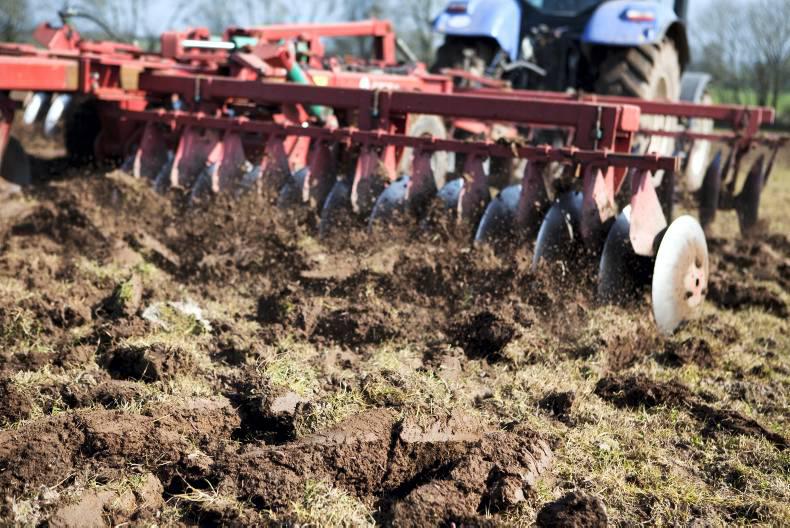
John would then give the ground two runs of a disc harrow to open up the soil.
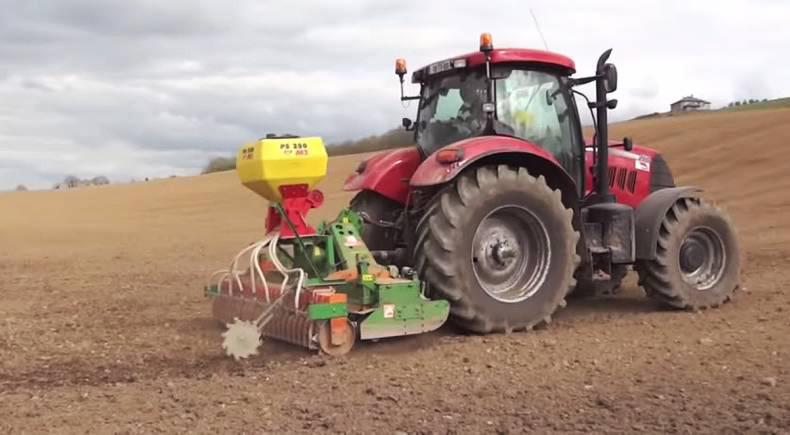
This would be followed by two runs of a power harrow. An air seeder is attached to the power harrow so on the second run the grass seed is blown on to the ground at an even rate. Once seeding is completed it is rolled.
John says a good seedbed is created with the combination of the disc harrow and power harrow but says it is easier to do in damp weather.
The same process can be applied around silage harvesting by spraying off the field with glyphosate before harvesting and discing a week after the silage is cut. This min-till system usually works out at €150/acre for discing and power-harrowing/sowing but varies depending on the type of soil that is being prepared for sowing.
Ploughing and one pass
Reseeding contractor Pat O’Connor from Ballyporeen, Co Tipperary, feels it is hard to beat the plough when reseeding pasture. Pat said if you can keep the plough at 6in and not go too deep it is one of the best ways to prepare a seed bed. “If you have good deep land, ploughing and harrowing will bury all the trash and leave you with a good seed bed for good establishment.”
He said this is not always possible on farms and some farmers prefer more modern methods of reseeding. In shallow or stony soils not suitable for ploughing Pat uses a McConnel Shakaerator to help alleviate soil compaction. He then discs the soil with a heavy Maschio disc harrow. The ground is then sown using an Amazone one pass system (Amazone power-harrow + seeder). If the ground isn’t ploughed it should be sprayed off with glyphosate 12 days before work is carried out.
Pat says soil fertility and pH is crucial for a reseeding job to be successful and advises people thinking of reseeding to get a soil test done to know what they are dealing with.
He says the cost of reseeding can vary from €90 to €130 per acre depending on whether or not ploughing and levelling is carried out.





SHARING OPTIONS