When farmers spray, they generally have a water collection tank, which collects rain water.
However, when there is an amount of spraying to be done, it usually needs to be filled from the mains.
In general, the rain water collection will only fill a few sprayer tanks. Rainwater is often the ideal water to spray with, as it is soft water.
When you are filling from a tap which comes from a well or a mains, the water will differ dramatically from rainwater and, depending on the area of the country that you are in, that water will vary in its characteristics.
Hard water
Hard water has minerals in it. It becomes hard from moving through certain soil types, such as those in the midlands. Limestone bedrock generally has hard water. People’s kettles gather lime. Calcium and magnesium generally make water hard.
High pH water
Water with a high pH - a pH of over seven can affect the degradation of some pesticides.
Water testing
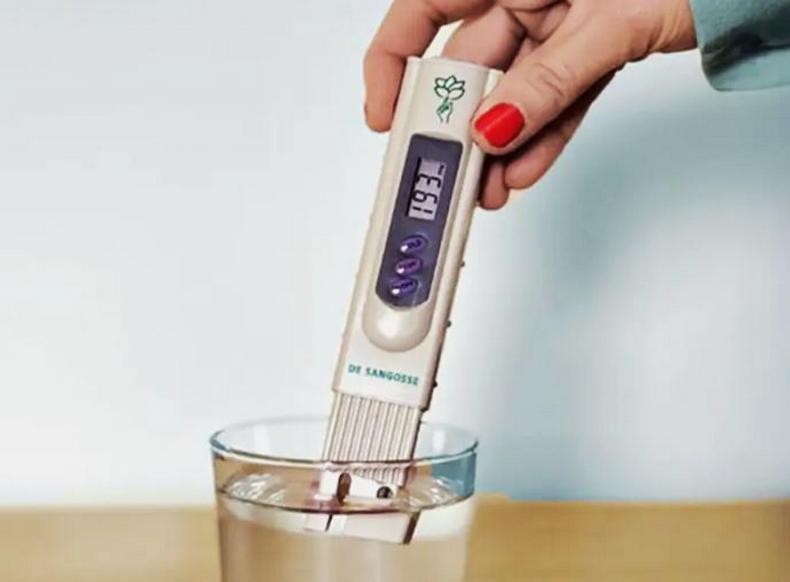
You can send your water to be tested for different characteristics or you can get an apparatus to test the water’s pH or hardness.
Water conditioner
Hard water may need to be conditioned to get plant protection products to work properly, particularly herbicides.
Water hardness isn’t the only factor though, although the other characteristics can all be affected by each other.
Calcium and magnesium content, as well as water hardness and pH, should all be examined. Once you have your water tested, you can add a conditioner if needed and you can apply the rate according to the level of water hardness, for example.
Glyphosate is one product which can be affected by these things. Glyphosate can bind with calcium and magnesium ions in hard water and form insoluble salts, which can reduce its control efficacy. Uptake by the plant can be reduced.
Conditioning water for spraying
DeSangosse, a company that specialises in water conditioners, said that not having water conditioned can result in a 30% decline in weed control.
It also said that less than 5% of farmers know the hardness of their water. If you are conditioning your water, you should add the conditioner to the spray tank first.
If you can prioritise rainwater for glyphosate application, then you should do this or even mix the rainwater with mains water. Talk to you agronomist about water hardness, testing and conditioning.