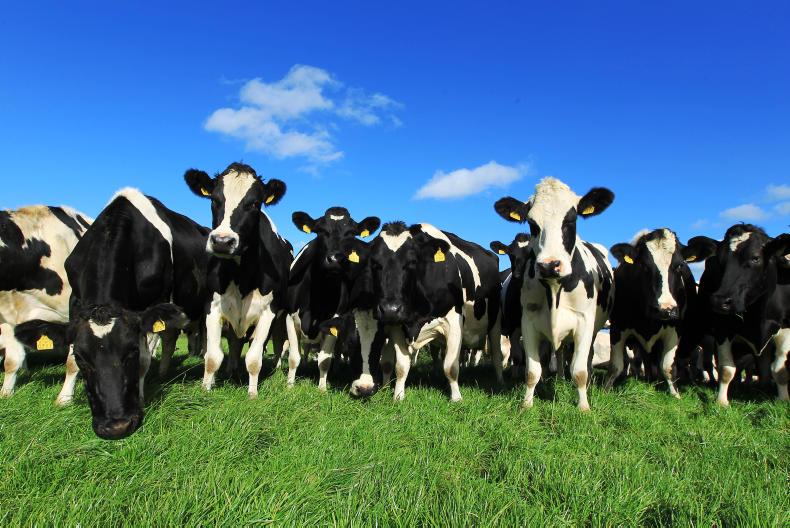
Teagasc researchers, advisers and invited industry guests all said that the "grass-fed" route was the way forward at the national dairy conference today.
Albert McQuaid, global chief technology officer, Kerry Group, said Kerry was committed to continuing to work with Kerry customers worldwide to produce superior quality products.
He said: “Grass-fed is becoming more popular and clearly the consumer is moving to a more trusted product with the ingredients they expect to see. We are working closely with partners to see what they want and what specific needs they have.
Grass-fed is becoming more popular and clearly the consumer is moving to a more trusted product
''Kerry’s business model is based around customisation and this is how we create value. We sell complex solutions that make it a long-term play for business.”
Grass message
Joe Patton was next up and he reinforced the Teagasc grass message. He said: “Very different things are happening on some farms and what's happening on the ground might be different to what’s appropriate for the farm. The additional margin from those animals over and above what grass you can grow must be tested.
''The message remains the same: match growth rate with stocking rate and don’t get bored with it. I would caution against driving on stocking rate and instead advise getting better at the grass model.”
Feed measurement
Mike Dineen, a west Cork researcher who is working at Cornell University in the US, said new feed measurement methods are bringing new answers and more questions but all reinforce the quality grass-fed message.
He said: “New feed chemistry provides enhanced understanding and we are learning that quality grazed grass is extremely digestible, which is positive, and perhaps we may need to carry out more research on how we can better understand how to complement grass-based systems.”
Extra calves
In the second session, Natalie Roadknight, University of Melbourne, described the Australian and New Zealand system of slaughtering calves at a young age and how it has helped cope with the extra calves generated from more dairy cows.
However, she warned that there is risk to the "social licence" of farming as public perception can turn against you and you can potentially damage a country’s reputational damage if a country decided to go down that route.
New dairy beef index
Andrew Cromie from ICBF talked about the development of the new dairy beef index and that next year this would be a tool that farmers could use to select out sires that could have better beefing traits.
The final speaker, Stephen Butler from Teagasc, Moorepark, outlined the results of the recent sexed semen trial.
Overall, he was still disappointed in the conception rate of (new generation) sexed semen. However, when he drilled into a subset of the results he found that in some cases sexed semen actually outperformed the conventional semen.
This led him to suggest that maybe timing of insemination when using sexed semen needs to be very different from conventional semen and farmers might be better off synchronising cows so that they can use fixed-timed AI.
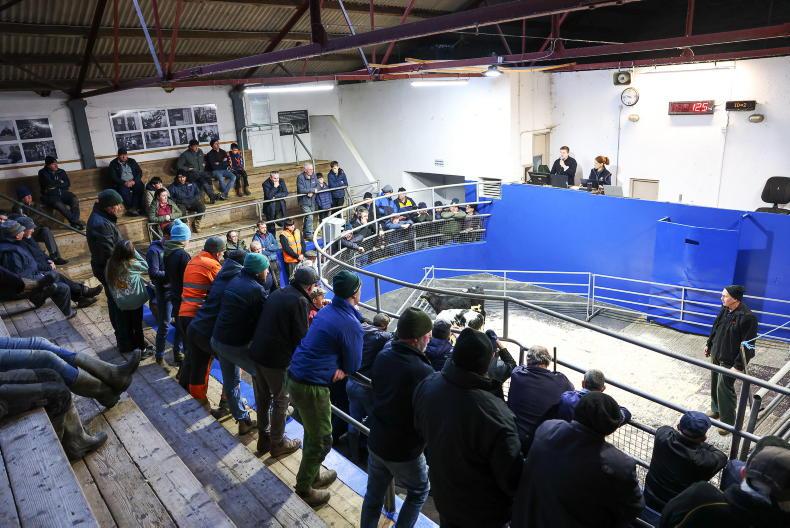
Over 500 farmers packed into the Rochestown Park Hotel in Cork today to hear the most recent advisory and research messages from Teagasc.
In the afternoon, labour, greenhouse gases, grass, feed and contract rearing were all under the spotlight in workshops.
See full report in print this week.
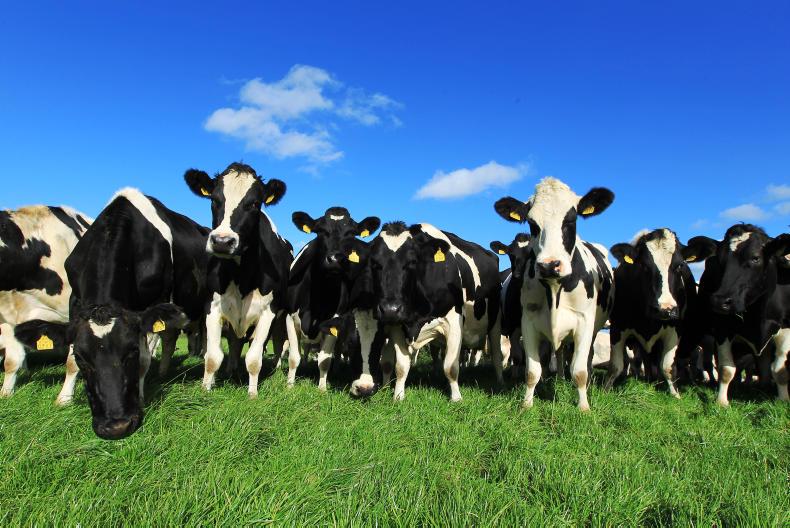
Teagasc researchers, advisers and invited industry guests all said that the "grass-fed" route was the way forward at the national dairy conference today.
Albert McQuaid, global chief technology officer, Kerry Group, said Kerry was committed to continuing to work with Kerry customers worldwide to produce superior quality products.
He said: “Grass-fed is becoming more popular and clearly the consumer is moving to a more trusted product with the ingredients they expect to see. We are working closely with partners to see what they want and what specific needs they have.
Grass-fed is becoming more popular and clearly the consumer is moving to a more trusted product
''Kerry’s business model is based around customisation and this is how we create value. We sell complex solutions that make it a long-term play for business.”
Grass message
Joe Patton was next up and he reinforced the Teagasc grass message. He said: “Very different things are happening on some farms and what's happening on the ground might be different to what’s appropriate for the farm. The additional margin from those animals over and above what grass you can grow must be tested.
''The message remains the same: match growth rate with stocking rate and don’t get bored with it. I would caution against driving on stocking rate and instead advise getting better at the grass model.”
Feed measurement
Mike Dineen, a west Cork researcher who is working at Cornell University in the US, said new feed measurement methods are bringing new answers and more questions but all reinforce the quality grass-fed message.
He said: “New feed chemistry provides enhanced understanding and we are learning that quality grazed grass is extremely digestible, which is positive, and perhaps we may need to carry out more research on how we can better understand how to complement grass-based systems.”
Extra calves
In the second session, Natalie Roadknight, University of Melbourne, described the Australian and New Zealand system of slaughtering calves at a young age and how it has helped cope with the extra calves generated from more dairy cows.
However, she warned that there is risk to the "social licence" of farming as public perception can turn against you and you can potentially damage a country’s reputational damage if a country decided to go down that route.
New dairy beef index
Andrew Cromie from ICBF talked about the development of the new dairy beef index and that next year this would be a tool that farmers could use to select out sires that could have better beefing traits.
The final speaker, Stephen Butler from Teagasc, Moorepark, outlined the results of the recent sexed semen trial.
Overall, he was still disappointed in the conception rate of (new generation) sexed semen. However, when he drilled into a subset of the results he found that in some cases sexed semen actually outperformed the conventional semen.
This led him to suggest that maybe timing of insemination when using sexed semen needs to be very different from conventional semen and farmers might be better off synchronising cows so that they can use fixed-timed AI.
Over 500 farmers packed into the Rochestown Park Hotel in Cork today to hear the most recent advisory and research messages from Teagasc.
In the afternoon, labour, greenhouse gases, grass, feed and contract rearing were all under the spotlight in workshops.
See full report in print this week. 





SHARING OPTIONS