Last week, we had the first of the overall look at the crops. This year, there is none of the waterlogging and saturated spots in fields that were such a visible problem last year.
We have, as I mentioned, a volunteer bean infestation in a field of seed wheat which I am confident enough can be killed off easily but it’s the oilseed rape that has me more puzzled. This followed a crop of winter barley last year and in view of the resistant wild oats that occurred in that particular field, I got permission to completely burn the straw and stubble. We were left with a very easily worked field and got an excellent crop of oilseed rape established in good time.
As is the norm with a full cover of oilseed rape plants, we have had practically no pigeon damage but what is noticeable is an unusual amount of charlock or praiseach – this is similar botanically to oilseed rape – the same yellow flower and appearance but the plant has a rougher, coarser texture. Because of its botanical similarity, it cannot be killed off by a selective herbicide so, did the charlock come about because of the post-harvest burn-off getting rid of all the potential weed competition or was there some contamination in the seed? As we go through the growing season, we should get clearer answers.
ADVERTISEMENT
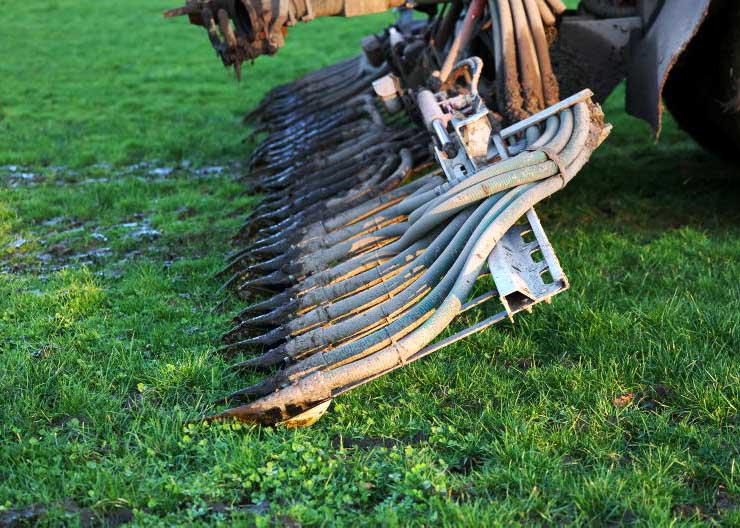
Meanwhile, on the cattle front, any thoughts of taking an early grazing have been postponed with heavy rain and cold nights. The rain has, however, exposed clearly the difference between the umbilical and slurry tank systems of spreading slurry. Despite the wide tyres on the tanker and four-wheel drive tractor, there were still pools of water caused by compaction, but very little sign of any damage after the umbilical.
Register for free to read this story and our free stories.
This content is available to digital subscribers and loyalty code users only. Sign in to your account, use the code or subscribe to get unlimited access.
The reader loyalty code gives you full access to the site from when you enter it until the following Wednesday at 9pm. Find your unique code on the back page of Irish Country Living every week.
CODE ACCEPTED
You have full access to the site until next Wednesday at 9pm.
CODE NOT VALID
Please try again or contact support.
Last week, we had the first of the overall look at the crops. This year, there is none of the waterlogging and saturated spots in fields that were such a visible problem last year.
We have, as I mentioned, a volunteer bean infestation in a field of seed wheat which I am confident enough can be killed off easily but it’s the oilseed rape that has me more puzzled. This followed a crop of winter barley last year and in view of the resistant wild oats that occurred in that particular field, I got permission to completely burn the straw and stubble. We were left with a very easily worked field and got an excellent crop of oilseed rape established in good time.
As is the norm with a full cover of oilseed rape plants, we have had practically no pigeon damage but what is noticeable is an unusual amount of charlock or praiseach – this is similar botanically to oilseed rape – the same yellow flower and appearance but the plant has a rougher, coarser texture. Because of its botanical similarity, it cannot be killed off by a selective herbicide so, did the charlock come about because of the post-harvest burn-off getting rid of all the potential weed competition or was there some contamination in the seed? As we go through the growing season, we should get clearer answers.
Meanwhile, on the cattle front, any thoughts of taking an early grazing have been postponed with heavy rain and cold nights. The rain has, however, exposed clearly the difference between the umbilical and slurry tank systems of spreading slurry. Despite the wide tyres on the tanker and four-wheel drive tractor, there were still pools of water caused by compaction, but very little sign of any damage after the umbilical.
If you would like to speak to a member of our team, please call us on 01-4199525.
Link sent to your email address
We have sent an email to your address. Please click on the link in this email to reset your password. If you can't find it in your inbox, please check your spam folder. If you can't find the email, please call us on 01-4199525.
ENTER YOUR LOYALTY CODE:
The reader loyalty code gives you full access to the site from when you enter it until the following Wednesday at 9pm. Find your unique code on the back page of Irish Country Living every week.








SHARING OPTIONS