



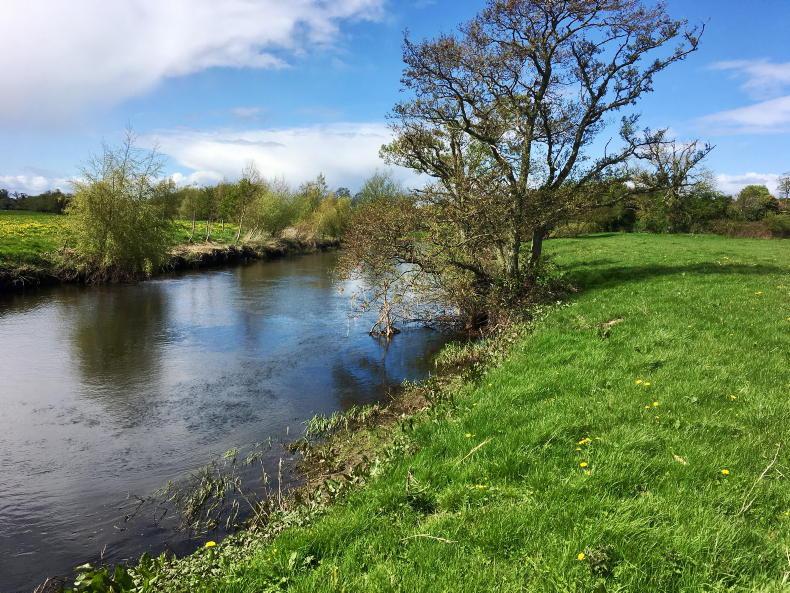
Average nitrogen concentrations in rivers increased by 4.3% in the first six months of 2026 compared to the same period in 2025, data from monitoring locations in 20 major rivers has found.
The increase was contained in the Environmental Protection Agency’s (EPA) early insights nitrogen-indicator report, which provides an early insight into trends in river nitrogen levels based on the first six months of the year.
This follows an increase in river nitrogen levels between 2024 and 2025.
“When too much nitrogen gets into rivers, lakes, estuaries and coastal waters, it can cause an overgrowth of algae, which depletes oxygen and impacts the habitat for other species,” the EPA said.
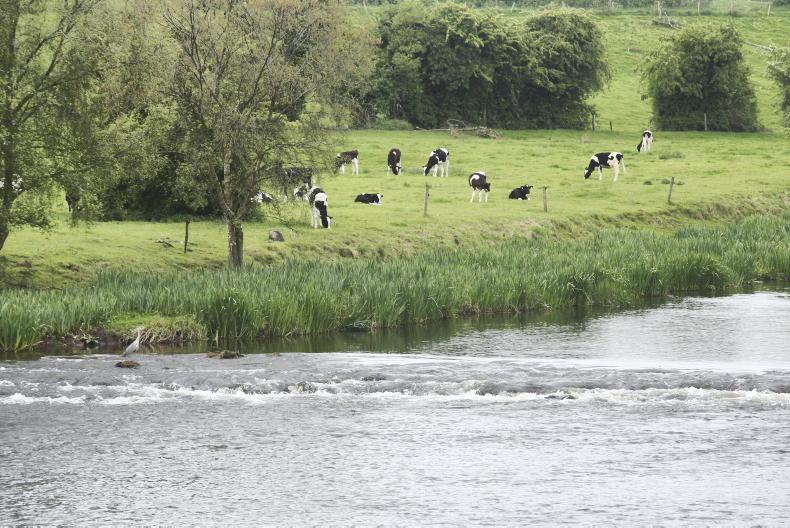
“The greatest nitrogen pressures remain concentrated in the south-eastern half of the country, driven largely by agricultural activities. Reducing these pressures will require targeted action in the most vulnerable catchments, particularly where farming intensity is high and free draining soils allow nitrogen to move readily to waters,” it said.
Fertiliser use
The EPA outlined four factors which influenced nitrogen concentrations between 2024 and 2026, with fertiliser use, weather and the size of the national cattle herd all included.
Fertiliser nitrogen sales increased by 10.6% in 2024 compared to 2023, followed by a further 12.5% increase in 2025, the EPA added.
“Annual results are not yet available for 2026, however quarterly figures released by the Department of Agriculture indicate a 7.3% increase in fertiliser nitrogen sales in the six months running up to the end of March this year, compared with the same period in 2024/2025.
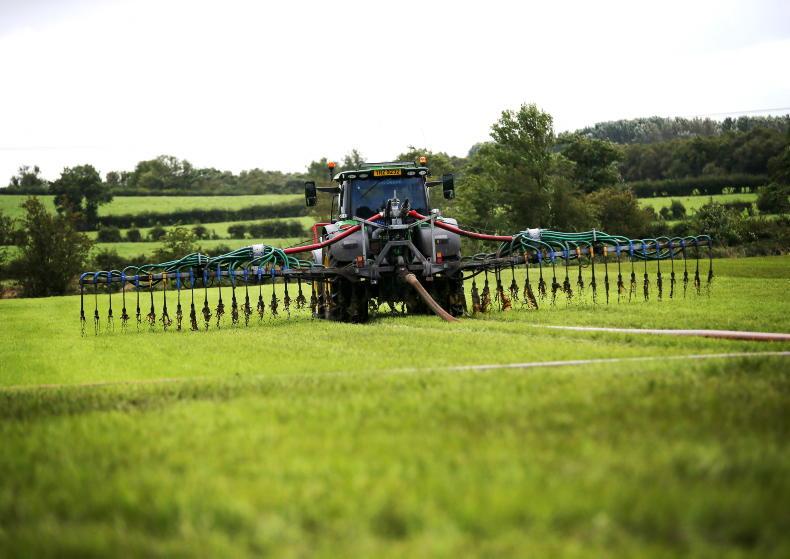
“Although fertiliser sales do not directly reflect the quantity of fertiliser applied or nitrogen losses to the environment, which are influenced by factors such as farm practices and soil type, they remain an indicator of nitrogen loading and a factor in increased nitrogen levels in waters,” it said.
There was a decrease of 3.3% in cattle numbers between 2023 and 2024 and a further 0.4% reduction was reported in 2025. Decreases in animal numbers are associated with decreases in the source loading, the EPA said.
Weather
“Coupled with increases in nitrogen source loading between 2024 and 2026, higher rainfall in the latter half of 2025, continuing into 2026, may have increased nitrogen transport to watercourses,” the EPA advised.
“While weather can influence the movement of nitrogen through catchments, sustainable agricultural systems need to account for such variability through appropriate management measures that minimise nutrient losses and protect water quality,” it said.
Commenting on the report, Roni Hawe, director of the EPA, office of evidence and assessment, said: “These results will be disappointing for many, given the greater focus in recent years on reducing nitrogen losses to water and the work being undertaken by farmers, industry and other stakeholders to address the issue.
“While there has been growing engagement and a stronger emphasis on targeted measures, these findings highlight that more work is needed to translate actions on the ground into improvements in water quality. There is also a need for stronger joining up of policy and practice, recognising that measures to improve water quality can deliver wider benefits for agriculture, biodiversity and climate.”




SHARING OPTIONS