



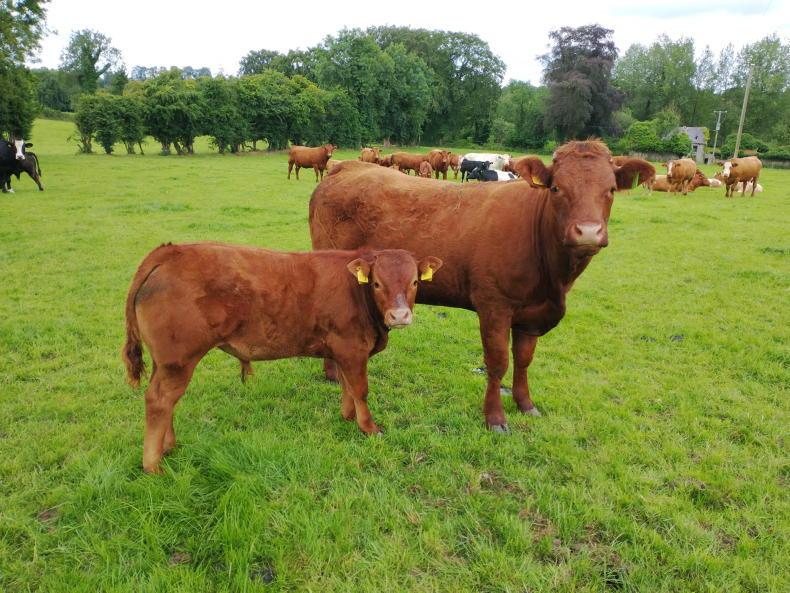
Given the historically tight margins for anyone working with beef cattle, it is perhaps surprising that so many farmers have missed out on payments from the first year of the beef carbon reduction (BCR) and suckler cow schemes.
In 2024, a total of 2,674 cattle from 667 herds did not receive BCR scheme money because farmers decided not to opt-in for the payment. In the first year of the suckler cow scheme, which ended 31 March 2026, there were 9,000 eligible calving events from around 1,600 herds which missed out on payments for the same reason. It means over £1m has not been paid out under both schemes.
To be fair to the department, the opt-in process for the beef schemes was very simple and there are no penalties for anyone who had cattle which didn’t meet eligibility requirements. In fact, some farmers decided to take advantage of record beef prices in 2025 and hold cattle beyond age limits in the BCR scheme – it was a legitimate business decision which didn’t affect their payments on other cattle.
Higher rate
It is also worth pointing out that the BCR scheme has a much higher opt-in rate, with around 94% of businesses with eligible cattle signing up to the scheme, compared to an opt-in rate of approximately 85% among suckler producers.
For anyone finishing cattle, especially where they have bought expensive stores, the £75 per head BCR scheme payment is an important part of helping to cover costs, however, a £100 payment on a suckler cow probably seems less vital if a calf is being sold for over £1,500.
But probably the main reason for the lower opt-in rate within sucklers can be found in the structure of the sector, where nearly half of the 12,939 suckler herds in NI have fewer than 10 cows – collectively, these 5,921 herds each keep an average of just over four cows.
Some of these are hobby farms, with owners who are totally disengaged from new DAERA schemes.


SHARING OPTIONS