Farmers should treat sheep and cattle in a way that leaves behind a small proportion of worms susceptible to commonly-used dosing products, a leading expert in veterinary parasitology has suggested.
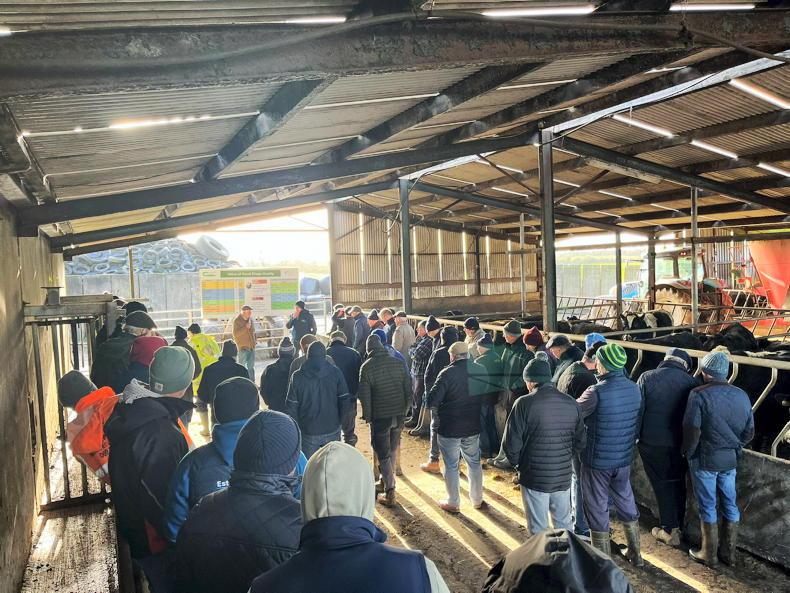
Addressing an event to mark the end of a three-year AgriSearch-led project into targeted, selective treatment of anthelmintics on local farms, Professor Eric Morgan from Queen’s University Belfast (QUB) said there are two main options to consider:
Delay the first dose given to grazing animals, allowing some level of contamination to build in pasture before treating animals – once a faecal egg count (FEC) suggests action is necessary. Leave some animals untreated, eg those that are fast-growing and therefore least impacted by any worm burden.Either way, the aim is to leave some susceptible worms (known as refugia) to dilute overall worm resistance to drugs, therefore extending the life of anthelmintic products.
Treatments
Greyabbey sheep farmer John Martin is among the participants on the project.
In 2021 he tracked a batch of lambs in detail, with targeted treatments based on FECs in the pasture and daily liveweight gain (DLWG) of individual lambs. A break dose using Zolvix was given in mid-August to eliminate resistant worms (FECs showed a 99% reduction).
In 2022, multiple batches of lambs were tracked and given targeted treatments, again based on FECs and DLWG. When a dose was deemed necessary based on FECs, lambs growing at under 200g/day were treated, going down to under 180g/day as the season progressed.
A break dose of Zolvix was given at the start of July.
“Hopefully I will develop a flock of sheep that are more resilient, by breeding from those that are consistently producing lambs which don’t need dosed, and by excluding those that are persistent offenders,” said John.
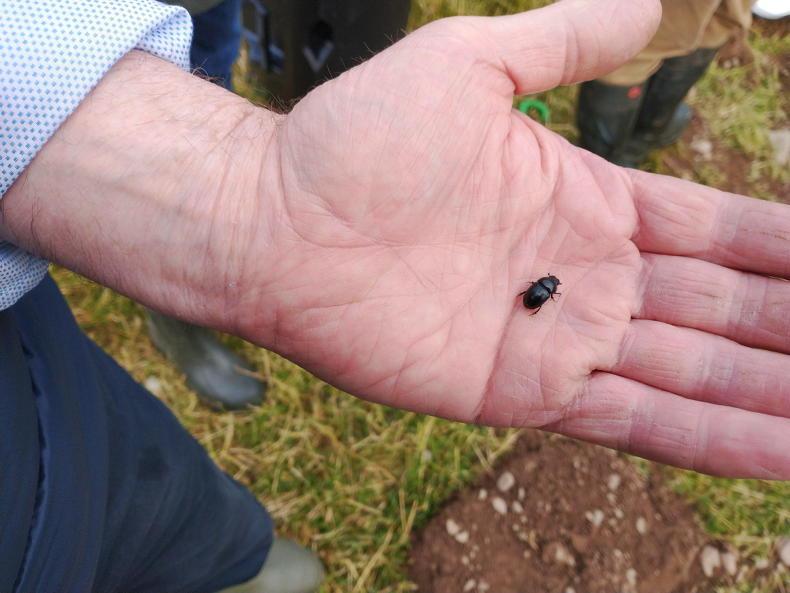
Dung beetles are small and jet black in colour
Since last September, he has also been trialling a SmartWorm app created by Cotter AgriTech, which links to his animal weighing equipment and tells him which animals need to be dosed based on their recent performance.
“I think using FECs and the wormer app are good ways forward. I need a bit more confidence before I would rely solely on the app,” concluded John.
Samples
While farmers in the programme were provided with a FEC testing kit, samples can also be analysed via some local vets.
“Collect at least 10 to 15 individual samples. Get a good spread across the field. Keep it in the fridge if you collect it the night before,” advised Dr Chris McFarland from QUB.
Dung beetles can help cut worm burden
The activity of dung beetles can disrupt the lifecycle of worms as they try to migrate from dung pats to pasture, to then be picked up by a host (cattle or sheep), Bruce Thompson told farmers at the AgriSearch event.
As part of a Nuffield Scholarship, the Co Laois dairy farmer has studied the issue of anthelmintic resistance and the potential for dung beetles to increase biodiversity on farms.
Biodiversity benefits
The beetles feed on the faeces, drying out the dung pat, which makes it more appealing to earthworms, who ultimately put that organic matter back into the soil, explained Bruce.
He pointed out that clear wormers and fly control products are damaging to dung beetle populations and should only be used when really necessary.
On his own farm, as well as trying to create a suitable environment for beetles, Bruce has been implementing targeted selective treatment of wormer products for a number of years.
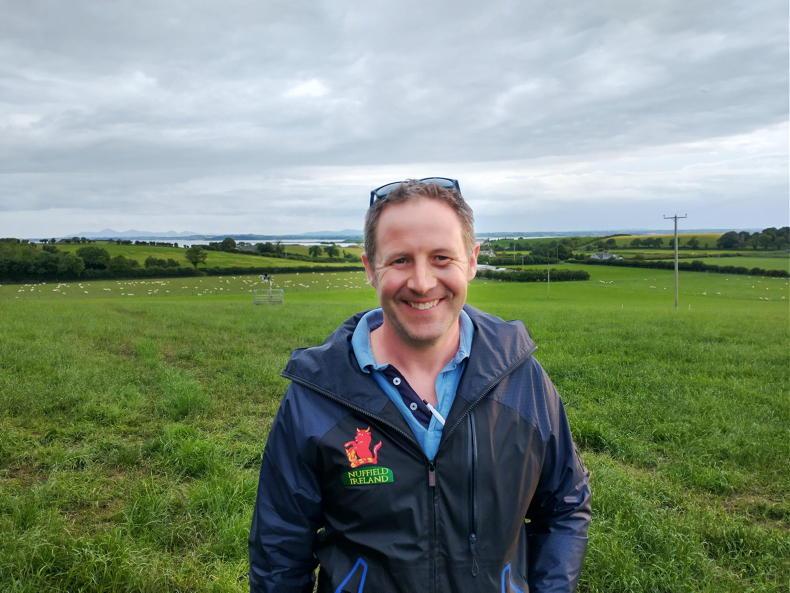
Co Laois dairy farmer Bruce Thompson.
“It is a balance between exposure and immunity. There are animals milking on my farm that have never seen a wormer,” he said.
‘Traffic light’ system
He has a ‘traffic light’ system in place for paddock grazed by calves. Paddocks with a high worm burden are red and avoided by calves.
An orange paddock is one they have recently grazed and might not graze again until later in the year.
A paddock classed as green has a low worm burden (eg has previously been cut for silage).
Bruce will only dose calves when the faecal egg count (FEC) goes above a certain threshold, and even then, only those below target weight gains are treated.
Read more
Peak nematodirus egg hatching in all areas
Significant percentage of liver fluke treatments almost worthless
Farmers should treat sheep and cattle in a way that leaves behind a small proportion of worms susceptible to commonly-used dosing products, a leading expert in veterinary parasitology has suggested.
Addressing an event to mark the end of a three-year AgriSearch-led project into targeted, selective treatment of anthelmintics on local farms, Professor Eric Morgan from Queen’s University Belfast (QUB) said there are two main options to consider:
Delay the first dose given to grazing animals, allowing some level of contamination to build in pasture before treating animals – once a faecal egg count (FEC) suggests action is necessary. Leave some animals untreated, eg those that are fast-growing and therefore least impacted by any worm burden.Either way, the aim is to leave some susceptible worms (known as refugia) to dilute overall worm resistance to drugs, therefore extending the life of anthelmintic products.
Treatments
Greyabbey sheep farmer John Martin is among the participants on the project.
In 2021 he tracked a batch of lambs in detail, with targeted treatments based on FECs in the pasture and daily liveweight gain (DLWG) of individual lambs. A break dose using Zolvix was given in mid-August to eliminate resistant worms (FECs showed a 99% reduction).
In 2022, multiple batches of lambs were tracked and given targeted treatments, again based on FECs and DLWG. When a dose was deemed necessary based on FECs, lambs growing at under 200g/day were treated, going down to under 180g/day as the season progressed.
A break dose of Zolvix was given at the start of July.
“Hopefully I will develop a flock of sheep that are more resilient, by breeding from those that are consistently producing lambs which don’t need dosed, and by excluding those that are persistent offenders,” said John.
Dung beetles are small and jet black in colour
Since last September, he has also been trialling a SmartWorm app created by Cotter AgriTech, which links to his animal weighing equipment and tells him which animals need to be dosed based on their recent performance.
“I think using FECs and the wormer app are good ways forward. I need a bit more confidence before I would rely solely on the app,” concluded John.
Samples
While farmers in the programme were provided with a FEC testing kit, samples can also be analysed via some local vets.
“Collect at least 10 to 15 individual samples. Get a good spread across the field. Keep it in the fridge if you collect it the night before,” advised Dr Chris McFarland from QUB.
Dung beetles can help cut worm burden
The activity of dung beetles can disrupt the lifecycle of worms as they try to migrate from dung pats to pasture, to then be picked up by a host (cattle or sheep), Bruce Thompson told farmers at the AgriSearch event.
As part of a Nuffield Scholarship, the Co Laois dairy farmer has studied the issue of anthelmintic resistance and the potential for dung beetles to increase biodiversity on farms.
Biodiversity benefits
The beetles feed on the faeces, drying out the dung pat, which makes it more appealing to earthworms, who ultimately put that organic matter back into the soil, explained Bruce.
He pointed out that clear wormers and fly control products are damaging to dung beetle populations and should only be used when really necessary.
On his own farm, as well as trying to create a suitable environment for beetles, Bruce has been implementing targeted selective treatment of wormer products for a number of years.
Co Laois dairy farmer Bruce Thompson.
“It is a balance between exposure and immunity. There are animals milking on my farm that have never seen a wormer,” he said.
‘Traffic light’ system
He has a ‘traffic light’ system in place for paddock grazed by calves. Paddocks with a high worm burden are red and avoided by calves.
An orange paddock is one they have recently grazed and might not graze again until later in the year.
A paddock classed as green has a low worm burden (eg has previously been cut for silage).
Bruce will only dose calves when the faecal egg count (FEC) goes above a certain threshold, and even then, only those below target weight gains are treated.
Read more
Peak nematodirus egg hatching in all areas
Significant percentage of liver fluke treatments almost worthless






SHARING OPTIONS