No new renewable electricity schemes have been introduced in Northern Ireland since 2017. However, that is set to change, with a new scheme scheduled to launch in 2027, nearly a decade later. Late last month the details of how this scheme will operate were unveiled.
The absence of a support scheme has been felt in Northern Ireland. Only five new wind farms, totalling 110MW, have been connected over the past five years, compared to 400MW in 2016 under a previous support scheme. An additional 2-2,500MW needs to be connected to achieve the 80% renewable electricity 2030 legal obligation.
As she published the scheme, NI Economy Minister Dr Caoimhe Archibald heralded that the new Renewable Electricity Price Guarantee (REPG) will boost renewable generation and deliver lower electricity costs to households. How will it do this? This article will run through the key elements of the scheme.
What will it do?
The REPG scheme aims to support large-scale renewable generation in order to decarbonise local electricity production.
The final scheme design, published last month, draws on elements from similar schemes in the Republic of Ireland and Great Britain. It will see developers of large renewable projects compete in an auction-based system for 15 years of support. Essentially, the scheme will provide a state-backed route to market for large projects, reducing the risks involved in development.
Types of projects
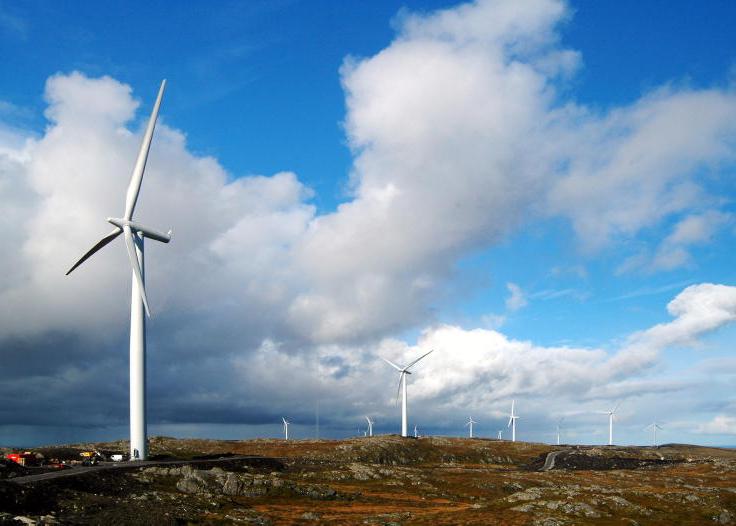
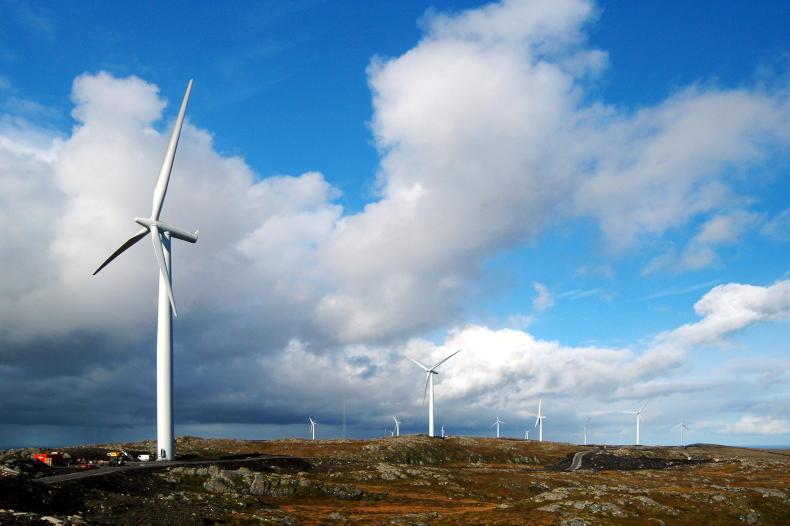
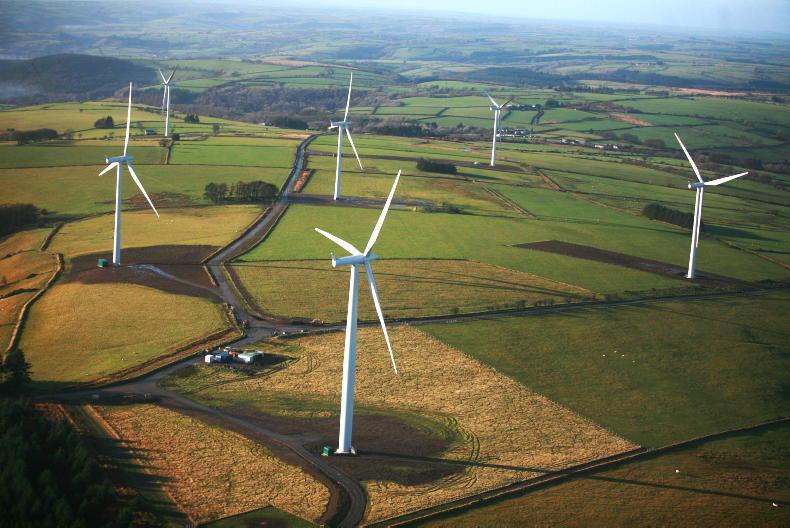
The scheme will be open to onshore wind farms, solar farms and battery storage systems. Projects combining these technologies will also be eligible.
Anaerobic digestion plants and hydro projects will not be eligible. The minimum project size is 5MW, which means that what would traditionally be classed as farm-scale projects in Northern Ireland will be ruled out. The department stated that options for supporting smaller-scale generation will continue to be evaluated ahead of future auctions. That said, a 20ac solar farm, which isn’t beyond reach for some farms, would be eligible.
To be eligible, projects must have full planning permission and a grid connection in place. Table 1 outlines the key policy decisions in the scheme.
Structure
The REPG scheme will be funded through a “structured payment mechanism” applied via electricity suppliers. This mechanism will be bidirectional, meaning consumers will pay into the scheme during periods of low market prices to support generator payments and will receive payments or bill reductions during periods of high prices when generators repay the difference.
“This two-way payment system promotes price stability and levels the cost of electricity across the lifetime of the contract, thereby minimising potential price spikes for consumers,” the department’s design paper said.
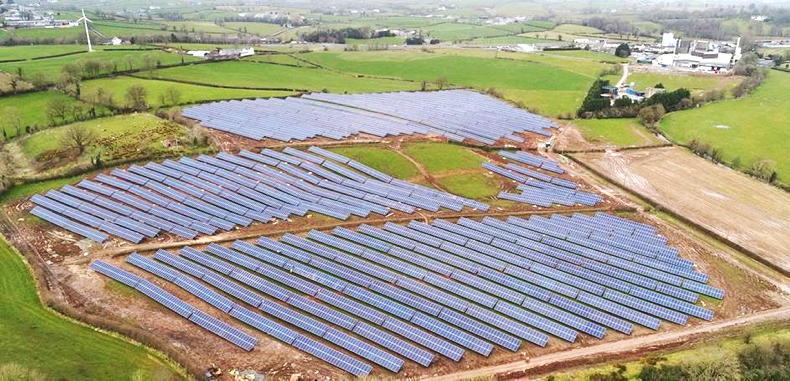
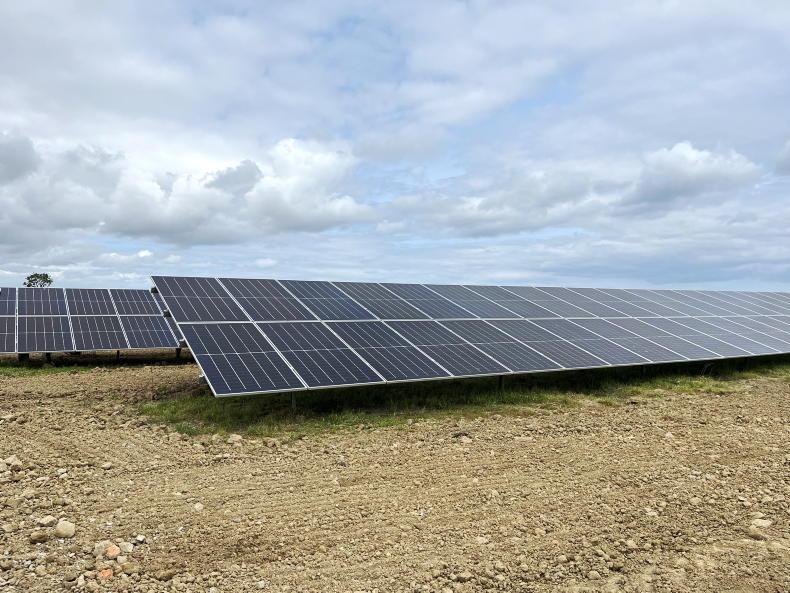
The Dale Farm solar farm was one of the first large scale solar projects in Northern Ireland.
Dispatch down
The scheme will aim to de-risk wind, solar and battery projects by compensating them for dispatch down, which occurs when renewable generators must shut down for certain periods.
There are two main reasons why renewable generation may be turned down. The first is called constraint, which happens when the local network cannot take all the power being produced, so only some generators need to reduce output. The second is curtailment, which happens when the whole electricity system has too much power, so any or all generators may be asked to reduce output.
To give REPG projects more certainty, the department plans to introduce a compensation system that is based on how much energy was available to generate, rather than how much was actually generated. This means projects will be paid at the strike price for energy they could have produced but were unable to, because of either constraints or curtailment.
Community benefit
The department plans to explore the feasibility of a mandatory approach to introducing discounted electricity bills for households located near REPG-supported projects, as a form of community benefit.
The details of how this would work are still to be decided. This approach would differ considerably from community benefit schemes in the Republic, where the Renewable Electricity Support Scheme (RESS) includes a mandatory community benefit fund set at €2/MWh for all supported projects, as well as payments for households located close to wind turbines.
The scheme will be open to onshore wind farms, solar farms and battery storage systems.
Timetable
The department will publish terms and conditions in Q2 2026 following a consultation. The first auction is scheduled to launch in Q1 2027.
Throughout this process, the department said it will maintain ongoing engagement with the renewable energy sector and electricity suppliers, as contract terms are finalised and the two-way payment system is established in legislation. Introduction of the required legislation to the Assembly is anticipated this year. The auction launch will follow completion of the legislative process, subject to Parliamentary scrutiny and the laying of subordinate regulations, the design paper states.
The first auction is expected to procure between 750-1,250 GWh per year, with a delivery schedule outlined in the accompanying roadmap. To achieve the 80% target by 2030, subsequent auctions will be required, with a procurement target of 3,250-3,750 GWh. Further details on future auctions will be released in due course.
RenewableNI, a renewable electricity representative organisation, has hailed the new scheme as the much-needed key to unlock investment in renewables, leading to millions of pounds of private investment in Northern Ireland.
Tamasin Fraser, chair of RenewableNI, said: “This announcement from the Department for the Economy will create jobs across Northern Ireland and help attract investment throughout the region”
The scheme will essentially provide a state-backed route to market for large projects, taking the risk out of the development.
Ambition
Fraser emphasised RenewableNI’s focus on delivery: “Ambition must now be matched by delivery and there can be no delay in the implementation of the REPG. Progressing the legislation required to hold the first auction in Q1 2027 is critical if we are to realise the benefit of the announcement.”
However, the new scheme rules out many farm-scale projects, prompting calls for a separate small-scale scheme.
In a previous consultation on the scheme, UFU deputy president John McLenaghan emphasised that smaller-scale projects should not be overlooked and that a separate scheme would be needed to support these projects, including on-farm developments, which the UFU has been lobbying for.

No new renewable electricity schemes have been introduced in Northern Ireland since 2017. However, that is set to change, with a new scheme scheduled to launch in 2027, nearly a decade later. Late last month the details of how this scheme will operate were unveiled.
The absence of a support scheme has been felt in Northern Ireland. Only five new wind farms, totalling 110MW, have been connected over the past five years, compared to 400MW in 2016 under a previous support scheme. An additional 2-2,500MW needs to be connected to achieve the 80% renewable electricity 2030 legal obligation.
As she published the scheme, NI Economy Minister Dr Caoimhe Archibald heralded that the new Renewable Electricity Price Guarantee (REPG) will boost renewable generation and deliver lower electricity costs to households. How will it do this? This article will run through the key elements of the scheme.
What will it do?
The REPG scheme aims to support large-scale renewable generation in order to decarbonise local electricity production.
The final scheme design, published last month, draws on elements from similar schemes in the Republic of Ireland and Great Britain. It will see developers of large renewable projects compete in an auction-based system for 15 years of support. Essentially, the scheme will provide a state-backed route to market for large projects, reducing the risks involved in development.
Types of projects
The scheme will be open to onshore wind farms, solar farms and battery storage systems. Projects combining these technologies will also be eligible.
Anaerobic digestion plants and hydro projects will not be eligible. The minimum project size is 5MW, which means that what would traditionally be classed as farm-scale projects in Northern Ireland will be ruled out. The department stated that options for supporting smaller-scale generation will continue to be evaluated ahead of future auctions. That said, a 20ac solar farm, which isn’t beyond reach for some farms, would be eligible.
To be eligible, projects must have full planning permission and a grid connection in place. Table 1 outlines the key policy decisions in the scheme.
Structure
The REPG scheme will be funded through a “structured payment mechanism” applied via electricity suppliers. This mechanism will be bidirectional, meaning consumers will pay into the scheme during periods of low market prices to support generator payments and will receive payments or bill reductions during periods of high prices when generators repay the difference.
“This two-way payment system promotes price stability and levels the cost of electricity across the lifetime of the contract, thereby minimising potential price spikes for consumers,” the department’s design paper said.

The Dale Farm solar farm was one of the first large scale solar projects in Northern Ireland.
Dispatch down
The scheme will aim to de-risk wind, solar and battery projects by compensating them for dispatch down, which occurs when renewable generators must shut down for certain periods.
There are two main reasons why renewable generation may be turned down. The first is called constraint, which happens when the local network cannot take all the power being produced, so only some generators need to reduce output. The second is curtailment, which happens when the whole electricity system has too much power, so any or all generators may be asked to reduce output.
To give REPG projects more certainty, the department plans to introduce a compensation system that is based on how much energy was available to generate, rather than how much was actually generated. This means projects will be paid at the strike price for energy they could have produced but were unable to, because of either constraints or curtailment.
Community benefit
The department plans to explore the feasibility of a mandatory approach to introducing discounted electricity bills for households located near REPG-supported projects, as a form of community benefit.
The details of how this would work are still to be decided. This approach would differ considerably from community benefit schemes in the Republic, where the Renewable Electricity Support Scheme (RESS) includes a mandatory community benefit fund set at €2/MWh for all supported projects, as well as payments for households located close to wind turbines.

The scheme will be open to onshore wind farms, solar farms and battery storage systems.
Timetable
The department will publish terms and conditions in Q2 2026 following a consultation. The first auction is scheduled to launch in Q1 2027.
Throughout this process, the department said it will maintain ongoing engagement with the renewable energy sector and electricity suppliers, as contract terms are finalised and the two-way payment system is established in legislation. Introduction of the required legislation to the Assembly is anticipated this year. The auction launch will follow completion of the legislative process, subject to Parliamentary scrutiny and the laying of subordinate regulations, the design paper states.
The first auction is expected to procure between 750-1,250 GWh per year, with a delivery schedule outlined in the accompanying roadmap. To achieve the 80% target by 2030, subsequent auctions will be required, with a procurement target of 3,250-3,750 GWh. Further details on future auctions will be released in due course.
RenewableNI, a renewable electricity representative organisation, has hailed the new scheme as the much-needed key to unlock investment in renewables, leading to millions of pounds of private investment in Northern Ireland.
Tamasin Fraser, chair of RenewableNI, said: “This announcement from the Department for the Economy will create jobs across Northern Ireland and help attract investment throughout the region”

The scheme will essentially provide a state-backed route to market for large projects, taking the risk out of the development.
Ambition
Fraser emphasised RenewableNI’s focus on delivery: “Ambition must now be matched by delivery and there can be no delay in the implementation of the REPG. Progressing the legislation required to hold the first auction in Q1 2027 is critical if we are to realise the benefit of the announcement.”
However, the new scheme rules out many farm-scale projects, prompting calls for a separate small-scale scheme.
In a previous consultation on the scheme, UFU deputy president John McLenaghan emphasised that smaller-scale projects should not be overlooked and that a separate scheme would be needed to support these projects, including on-farm developments, which the UFU has been lobbying for.
SHARING OPTIONS