A step change in ambition will be required to devise new, accessible and funded schemes to adequately reward farmers who wish to participate in nature restoration schemes, the Independent Advisory Committee on Nature Restoration has said.
It is one of a number of recommendations in the report, which has been launched by Minister of State for Nature Christopher O’Sullivan.
Such new schemes will also be open for foresters and other land owners and land trusts who want to restore nature.
“Reviews must be undertaken of the current payment schemes for farmers and foresters to, first and foremost, ensure they are accessible, work effectively, and operate efficiently,” the report said.
“Current agri environmental and forestry schemes must be reviewed to ensure they are not in conflict with the national Nature Restoration Plan, with additional measures required to be funded through new schemes separate to the CAP,” it said.
Funding schemes to incentivise nature restoration must be committed on horizons of at least 10 to 25 years and not limit farmer ambition, according to the report.
Financial reward
The report said that Government must ensure there is an “attractive financial reward” for the provision of ecosystem services, particularly with regards to flood management, water quality, and the protection and restoration of nature through action and results-based payment systems.

Christopher O' Sullivan, Minister of State for nature. \ Donal O' Leary
“This will require a tailored, locally-based approach across sectors and must include engagement with farmers, fishermen, and foresters to ensure they can realise sustainable livelihoods and derive income from quality food production, fishing, sustainable forestry, and the provision of ecosystem services.
“Nature-related ambitions within the current Common Agricultural Policy (CAP) should be maintained, with new ambition for ecosystem services met with new funding schemes. Such schemes must be in addition to current payments and must not compete with CAP payments,” it said.
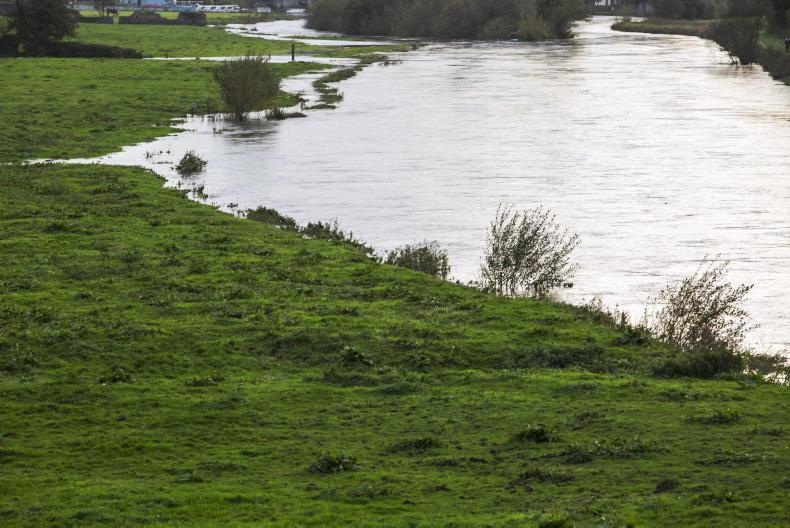
The loss of nature impacts the whole of society as exemplified by recent floods, it added.
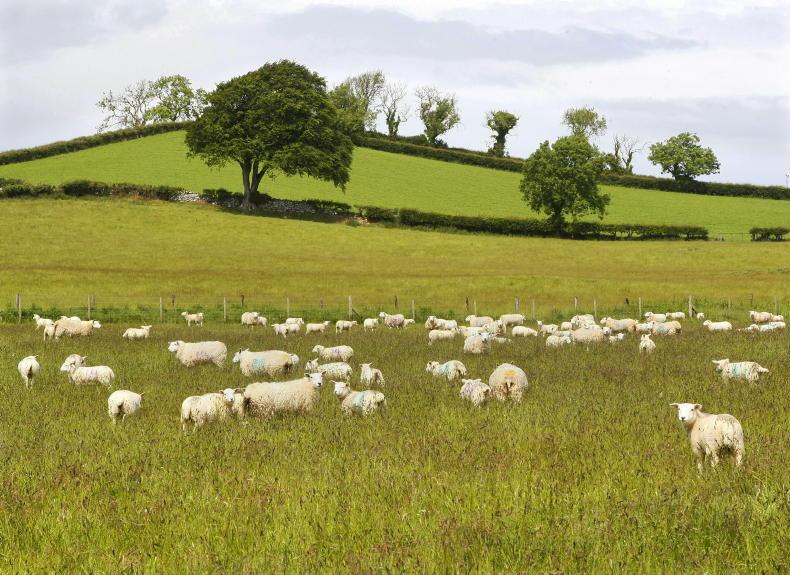
Sheep grazing.
“Enhanced payments for voluntary participation in nature restoration, including paid utilisation of lands for flood mitigation, must be recognised as an opportunity to contribute to sustaining and protecting communities and livelihoods,” it recommended.
Cost
The cost to implement the EU Nature Restoration Regulation in Ireland is estimated to be €450m to €700m per year.
“All economic models, however, highlight the benefits of paying for this as far outweighing the costs of inaction,” the report said.
Minister O’Sullivan will consider the recommendations as part of the ongoing preparation of the draft nature restoration plan, which remains under development.
Ireland is required to submit its draft plan to the European Commission by 1 September 2026, and from this point a 12-month dialogue with the Commission will commence on the requirements of the regulation and Ireland’s proposed response to meet restoration targets to 2030, 2040 and 2050.
A four-week round of public consultation on the draft plan will begin at the end of May. The final plan will be submitted to the Commission in September 2027 following its approval by cabinet.
A step change in ambition will be required to devise new, accessible and funded schemes to adequately reward farmers who wish to participate in nature restoration schemes, the Independent Advisory Committee on Nature Restoration has said.
It is one of a number of recommendations in the report, which has been launched by Minister of State for Nature Christopher O’Sullivan.
Such new schemes will also be open for foresters and other land owners and land trusts who want to restore nature.
“Reviews must be undertaken of the current payment schemes for farmers and foresters to, first and foremost, ensure they are accessible, work effectively, and operate efficiently,” the report said.
“Current agri environmental and forestry schemes must be reviewed to ensure they are not in conflict with the national Nature Restoration Plan, with additional measures required to be funded through new schemes separate to the CAP,” it said.
Funding schemes to incentivise nature restoration must be committed on horizons of at least 10 to 25 years and not limit farmer ambition, according to the report.
Financial reward
The report said that Government must ensure there is an “attractive financial reward” for the provision of ecosystem services, particularly with regards to flood management, water quality, and the protection and restoration of nature through action and results-based payment systems.
Christopher O' Sullivan, Minister of State for nature. \ Donal O' Leary
“This will require a tailored, locally-based approach across sectors and must include engagement with farmers, fishermen, and foresters to ensure they can realise sustainable livelihoods and derive income from quality food production, fishing, sustainable forestry, and the provision of ecosystem services.
“Nature-related ambitions within the current Common Agricultural Policy (CAP) should be maintained, with new ambition for ecosystem services met with new funding schemes. Such schemes must be in addition to current payments and must not compete with CAP payments,” it said.
The loss of nature impacts the whole of society as exemplified by recent floods, it added.
Sheep grazing.
“Enhanced payments for voluntary participation in nature restoration, including paid utilisation of lands for flood mitigation, must be recognised as an opportunity to contribute to sustaining and protecting communities and livelihoods,” it recommended.
Cost
The cost to implement the EU Nature Restoration Regulation in Ireland is estimated to be €450m to €700m per year.
“All economic models, however, highlight the benefits of paying for this as far outweighing the costs of inaction,” the report said.
Minister O’Sullivan will consider the recommendations as part of the ongoing preparation of the draft nature restoration plan, which remains under development.
Ireland is required to submit its draft plan to the European Commission by 1 September 2026, and from this point a 12-month dialogue with the Commission will commence on the requirements of the regulation and Ireland’s proposed response to meet restoration targets to 2030, 2040 and 2050.
A four-week round of public consultation on the draft plan will begin at the end of May. The final plan will be submitted to the Commission in September 2027 following its approval by cabinet.






SHARING OPTIONS