It’s getting close now, although farmers don’t feel it as yet.
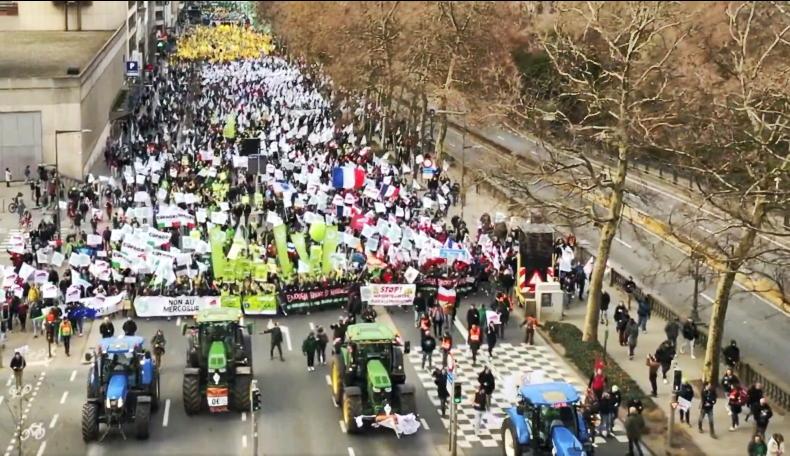
The Hansen CAP reform (as it will become known in the future, right now it’s just CAP reform) is entering a crucial period, as the European Parliament and the council of agricultural ministers make their counter-proposals.
As we all know by now, Martin Heydon will chair the latter forum, while Micheál Martin will broker the discussions among heads of state that will decide the final size of the multi-annual financial framework, the EU’s budget through to 2035.
All associated with Irish farming will be hoping the proposed cut to the CAP budget and its bundling in with other funding objectives in each country’s national envelope will be taken off the table.
The scale of the cut is well known, but the impact it would have on farmers’ incomes is, I fear, not fully understood.
Quick recap
For regular readers, this next bit will be boring, but a quick recap is worthwhile. The proposed CAP budget began at €300bn for 2028-2035. That’s €42.8bn a year, a cut of 28%.
There has been some upward movement, but it isn’t new money. Instead, it’s the shifting of an emergency kitty being held for the mid-term review into the general fund.
A 28% cut would be swinging in any context, but it is particularly so in the context of a static CAP budget for decades.
When Ray MacSharry drafted his CAP reforms in 1992, he had a budget of approximately €38bn. So the budget has hardly shifted in over three decades. It has instead been shrunk in real terms by 33 years of inflation.
There is another point. In 1992, the EU had 12 member states. Now it has 27, with twice the land mass and a giant increase in farmers and afforested area, and many million more farmers. The shrunken CAP has less money for more farmers.
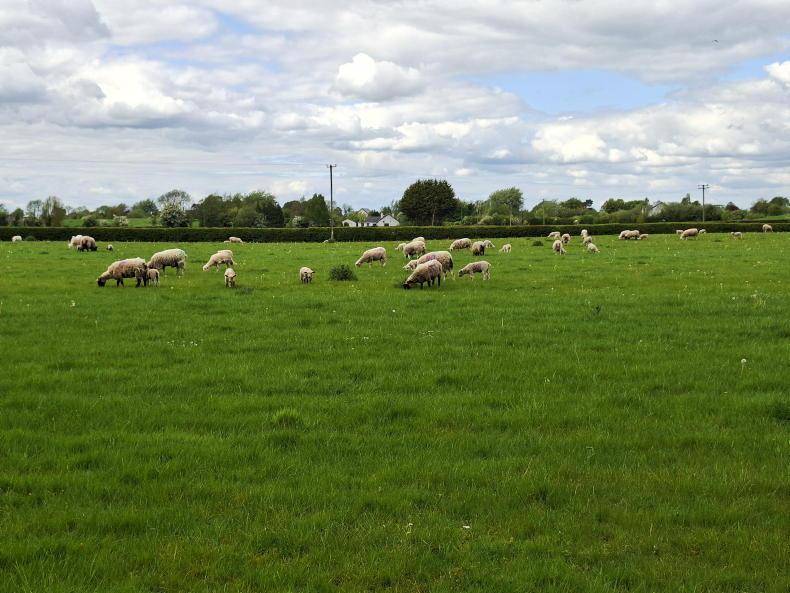
The drystock sector struggles to attain even the minimum wage for the average farmer.
The third significant point is that the ambition of the CAP, in terms of what it demands for farmers in exchange for support payments, has also increased.
No one is arguing (well, very few) that farming must minimise its impact on the environment, but the truth is that it costs money to do so.
The fourth key point is that food prices, both on the supermarket shelf and at the farm gate, are completely outside the farmer’s control.
Food importing
A good example of this truth is to look at 2026 versus 2022. In both years, input costs, particularly fuel and fertiliser, have rocketed.
In 2022, this was completely offset by big increases in the prices of milk, meat and grain. This was mainly because the Russian invasion of Ukraine saw two food-exporting nations in conflict, so markets reacted by raising food commodity prices sharply.
This year, we see conflict all across an oil-exporting, food importing region. There is little sign, and I fear little prospect, of a 2022-type uplift in commodity prices. Farmers seem destined to be caught in a price/cost squeeze.
There is a fifth point and it follows from farmers' individual, and realistically, collective inability to control prices.
For sheep, suckler and beef farmers, their income is almost completely made up of direct payments. Again, I am at risk of repeating myself here, but the facts are so stark they bear repeating.
In 2024, according to Teagasc’s national farm survey, all the above drystock sectors incomes were 100% or more derived of direct payments. In other words, costs matched or exceeded sales. The only thing keeping farmers above the breadline was direct payments.
There is little the Irish consumer can do to help this situation. Ireland exports 90% of its beef, lamb and, indeed, dairy.
A doubling of prices in Irish supermarkets would not make much difference if prices in France, Germany, Italy and the UK remained static.
So, we can see the CAP is vital for the incomes of the dominant sectors in Irish farming - over 90,000 of Irish farms, three in four, are drystock farms.
A cut of 28% in payments would result in a cut in income of at least as much on these farms. And incomes are not spectacular.
Indeed, not only do drystock farms fall way below the average industrial wage, they barely match the minimum wage at a standard 39 hours per week. The proposed cut in CAP payments would put the average Irish drystock farm below the poverty line.
Targeted sectors
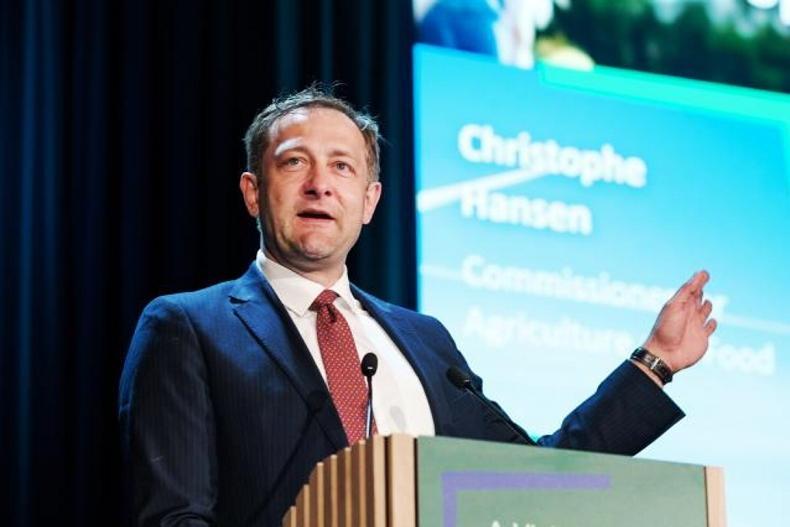
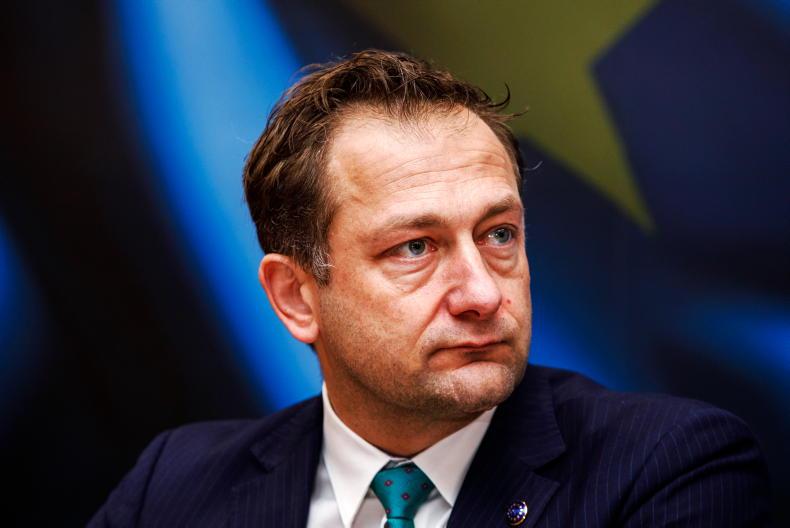
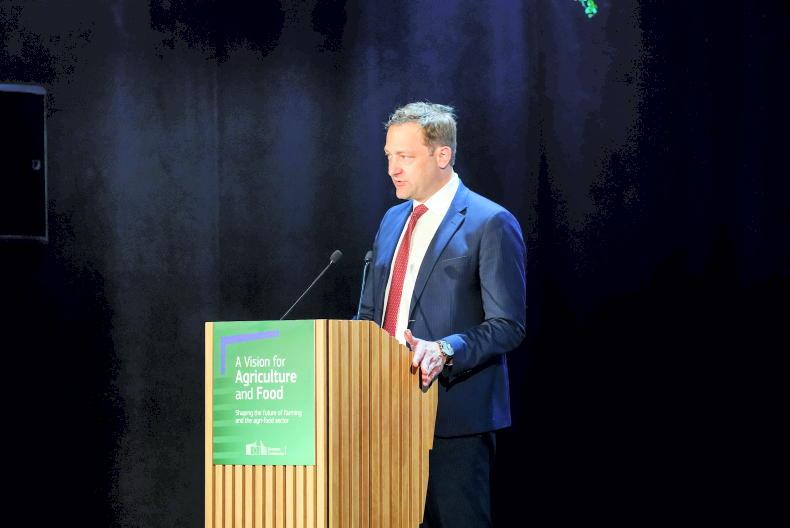
Perhaps it’s a desire to avoid such line cuts that has prompted European Commissioner for Agriculture Christophe Hansen to target farmers he sees as less deserving of support. Older farmers and part-time farmers are directly in the firing line.
This is a blunt instrument, particularly the part-time farmer who risks falling foul of the “active farmer” definition.
It is entirely possible that a drystock farmer with any kind of decent off-farm job will derive more than 50% of their gross income from farming. And, if that is the case, they might lose their supports. It seems perverse.
Degressivity, where farmers in receipt of over €20,000 in direct payments annually will see a proportionate cut in their payments, will directly hit payments and incomes to the average drystock farmer I highlighted above, forcing a full-time farmer off the farm and into a part-time or full-time job.
I have a further concern. People working medium-sized farms will have little option other than to absorb these changes.
However, for bigger farms with wealthy owners, there is the option of incorporation. If the farm changes from being a sole-trader operation to a limited company, the business will effectively be cloaked from all the part-time definitions.
I doubt it will matter if the major shareholder is over pension age either. Yet again, it would be the squeezed middle that will be squeezed again.
For many, it might be the last squeeze, the one that causes them to shut up shop. If that happens, Christophe Hansen and Ursula von der Leyen will stand accused of sabotaging the medium-sized family farm, which would undermine the entire raison d’étre of the CAP.
It’s getting close now, although farmers don’t feel it as yet.
The Hansen CAP reform (as it will become known in the future, right now it’s just CAP reform) is entering a crucial period, as the European Parliament and the council of agricultural ministers make their counter-proposals.
As we all know by now, Martin Heydon will chair the latter forum, while Micheál Martin will broker the discussions among heads of state that will decide the final size of the multi-annual financial framework, the EU’s budget through to 2035.
All associated with Irish farming will be hoping the proposed cut to the CAP budget and its bundling in with other funding objectives in each country’s national envelope will be taken off the table.
The scale of the cut is well known, but the impact it would have on farmers’ incomes is, I fear, not fully understood.
Quick recap
For regular readers, this next bit will be boring, but a quick recap is worthwhile. The proposed CAP budget began at €300bn for 2028-2035. That’s €42.8bn a year, a cut of 28%.
There has been some upward movement, but it isn’t new money. Instead, it’s the shifting of an emergency kitty being held for the mid-term review into the general fund.
A 28% cut would be swinging in any context, but it is particularly so in the context of a static CAP budget for decades.
When Ray MacSharry drafted his CAP reforms in 1992, he had a budget of approximately €38bn. So the budget has hardly shifted in over three decades. It has instead been shrunk in real terms by 33 years of inflation.
There is another point. In 1992, the EU had 12 member states. Now it has 27, with twice the land mass and a giant increase in farmers and afforested area, and many million more farmers. The shrunken CAP has less money for more farmers.

The drystock sector struggles to attain even the minimum wage for the average farmer.
The third significant point is that the ambition of the CAP, in terms of what it demands for farmers in exchange for support payments, has also increased.
No one is arguing (well, very few) that farming must minimise its impact on the environment, but the truth is that it costs money to do so.
The fourth key point is that food prices, both on the supermarket shelf and at the farm gate, are completely outside the farmer’s control.
Food importing
A good example of this truth is to look at 2026 versus 2022. In both years, input costs, particularly fuel and fertiliser, have rocketed.
In 2022, this was completely offset by big increases in the prices of milk, meat and grain. This was mainly because the Russian invasion of Ukraine saw two food-exporting nations in conflict, so markets reacted by raising food commodity prices sharply.
This year, we see conflict all across an oil-exporting, food importing region. There is little sign, and I fear little prospect, of a 2022-type uplift in commodity prices. Farmers seem destined to be caught in a price/cost squeeze.
There is a fifth point and it follows from farmers' individual, and realistically, collective inability to control prices.
For sheep, suckler and beef farmers, their income is almost completely made up of direct payments. Again, I am at risk of repeating myself here, but the facts are so stark they bear repeating.
In 2024, according to Teagasc’s national farm survey, all the above drystock sectors incomes were 100% or more derived of direct payments. In other words, costs matched or exceeded sales. The only thing keeping farmers above the breadline was direct payments.
There is little the Irish consumer can do to help this situation. Ireland exports 90% of its beef, lamb and, indeed, dairy.
A doubling of prices in Irish supermarkets would not make much difference if prices in France, Germany, Italy and the UK remained static.
So, we can see the CAP is vital for the incomes of the dominant sectors in Irish farming - over 90,000 of Irish farms, three in four, are drystock farms.
A cut of 28% in payments would result in a cut in income of at least as much on these farms. And incomes are not spectacular.
Indeed, not only do drystock farms fall way below the average industrial wage, they barely match the minimum wage at a standard 39 hours per week. The proposed cut in CAP payments would put the average Irish drystock farm below the poverty line.
Targeted sectors
Perhaps it’s a desire to avoid such line cuts that has prompted European Commissioner for Agriculture Christophe Hansen to target farmers he sees as less deserving of support. Older farmers and part-time farmers are directly in the firing line.
This is a blunt instrument, particularly the part-time farmer who risks falling foul of the “active farmer” definition.
It is entirely possible that a drystock farmer with any kind of decent off-farm job will derive more than 50% of their gross income from farming. And, if that is the case, they might lose their supports. It seems perverse.
Degressivity, where farmers in receipt of over €20,000 in direct payments annually will see a proportionate cut in their payments, will directly hit payments and incomes to the average drystock farmer I highlighted above, forcing a full-time farmer off the farm and into a part-time or full-time job.
I have a further concern. People working medium-sized farms will have little option other than to absorb these changes.
However, for bigger farms with wealthy owners, there is the option of incorporation. If the farm changes from being a sole-trader operation to a limited company, the business will effectively be cloaked from all the part-time definitions.
I doubt it will matter if the major shareholder is over pension age either. Yet again, it would be the squeezed middle that will be squeezed again.
For many, it might be the last squeeze, the one that causes them to shut up shop. If that happens, Christophe Hansen and Ursula von der Leyen will stand accused of sabotaging the medium-sized family farm, which would undermine the entire raison d’étre of the CAP.
SHARING OPTIONS