



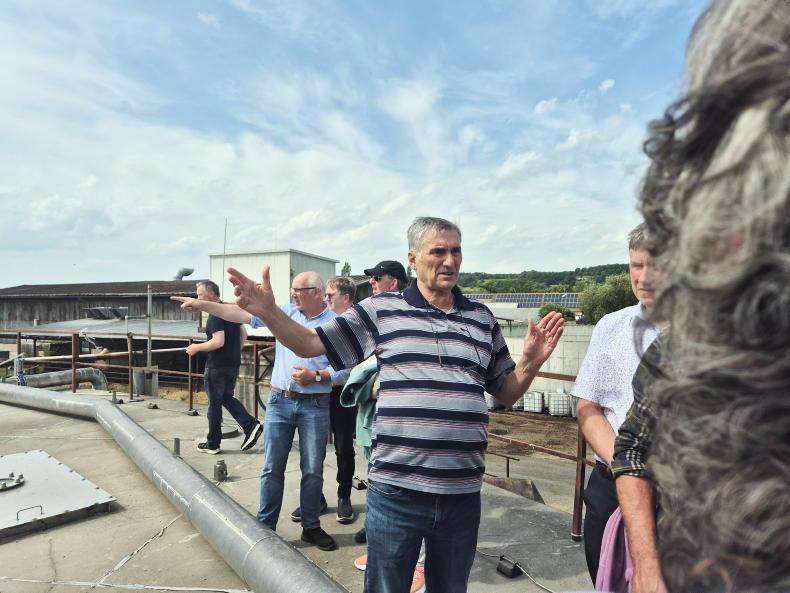
There is still a visible hangover from the traditional eastern European, Communist style of farming in the Czech Republic. However, large tracts of fertile land and low costs of doing business, compared to Ireland, mean Czech farming is on the rise.
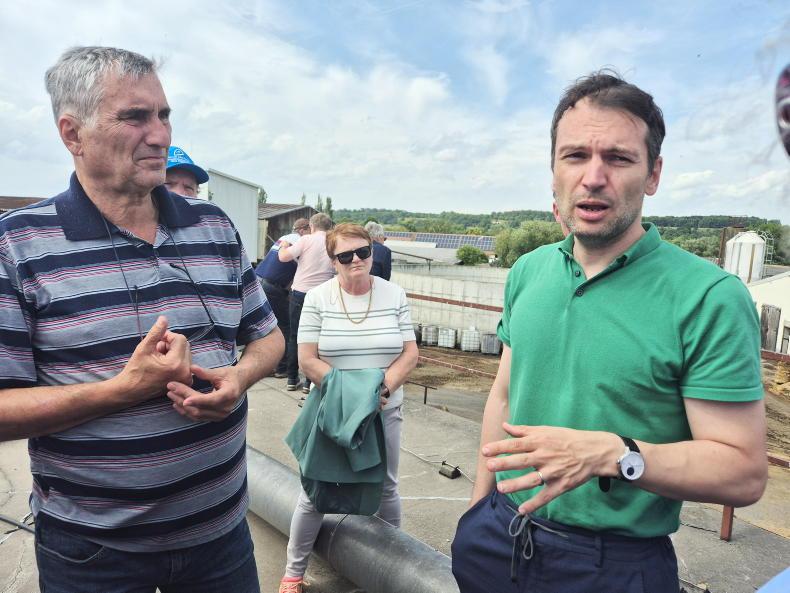
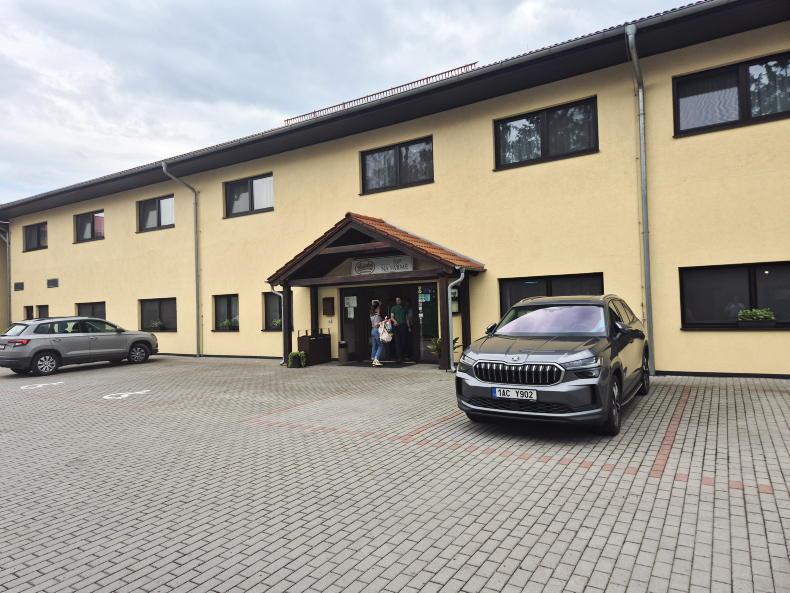
The Horák family farm is much more than a farm in the traditional sense. It’s selling energy, milk, beef, pork, cereals and more. Karel Horák is a farmer, hotelier and business owner along with his family members, on this farm located in the small village of Chotovice, near the spa town of Podebrady, about 50km northwest from Prague.
The family business encompasses a hotel, a wellness centre, pigs, cows, a biogas plant and much more. They have been farming for more than 30 years. The business initially started on 15ha, about 50km from Chotovice. Then in 1993 an opportunity arose to buy into a bigger farm, as the larger State farms were broken up and offered for sale.
Czech history
The Czech lands were occupied by Germany during World War II (1939-1945). Dramatic changes occurred subsequently during the communist period (1948-1989) when the then Czechoslovak Republic was a socialist state.
Pre 1949, small farms predominated, however, after 1948, most were State farms, which cultivated thousands of hectares of agricultural land and raised thousands of livestock. In 1989, the structure of Czech agriculture again began to change dramatically with the re-emergence of smaller, privatised farms.
It started moving away from eastern European structures and into those of the European Union, which the Czech Republic joined in 2004.
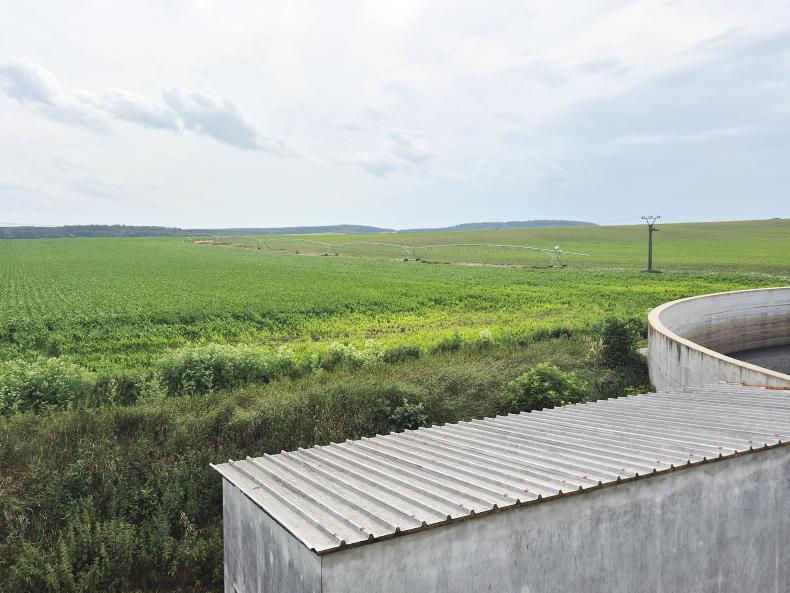
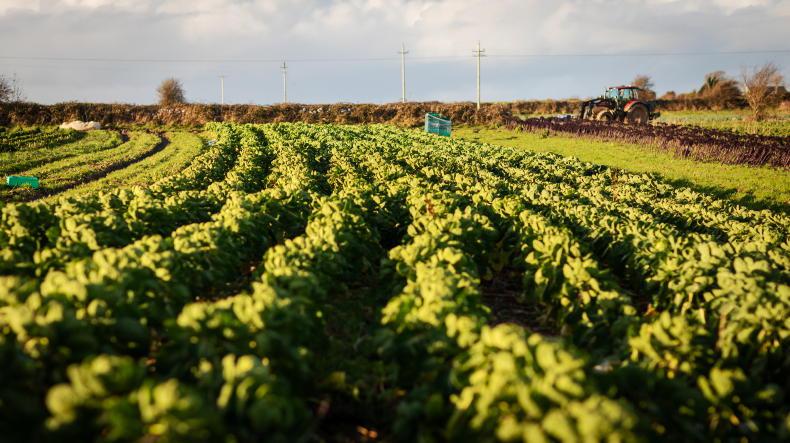
The Horák family farm is set on 600ha (200ha owned) growing wheat, rye, maize, alfalfa and other crops to feed pigs, cows and a biodigester on the farm. While this scale is much smaller than the thousands of hectacres in large State farms, the current scale of Czech farms is still much bigger than Ireland.
The pig enterprise
There are close to 140 large white breeding sows on this farm. The farm has its own slaughterhouse, with 60 pigs and three cattle killed per week.
The farm produces Qualivo pork for Rohlík (Czech supermarket) and for the farm hotel’s own use. They do a complete range of products, eg sausages, salami, and so on, all made from homegrown meat and spices.
According to Karel, Qualivo is premium meat and is produced according to a unique Swiss method of feeding and breeding, with an emphasis on immunity and animal health. He said that “the result is very tender, easily digestible meat with a short cooking time.”
The animals are under regular control by the veterinary administration and all gilts are regularly measured by ultrasound in order to optimise the height of the bacon and the proportion of lean muscle.
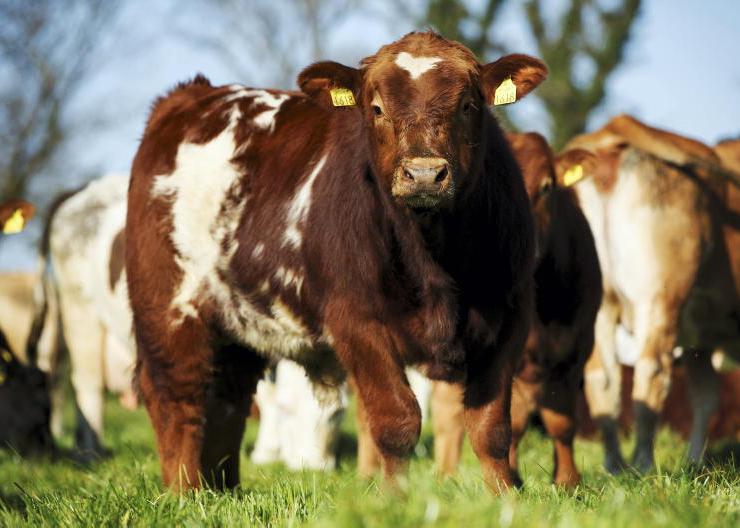
On this farm, there are about 300 Holstein Friesian milking cows in an indoor production system, producing over 10,000l/cow.
Calves
In addition, the farm buys in about 400 calves to provide an all-year-round supply of meat for the hotel and its farm stores. They are in the process of installing a robotic milking operation.
Due to biosecurity concerns, we didn’t go near any stock while on the farm, as swine fever and foot and mouth disease precautions were in place.
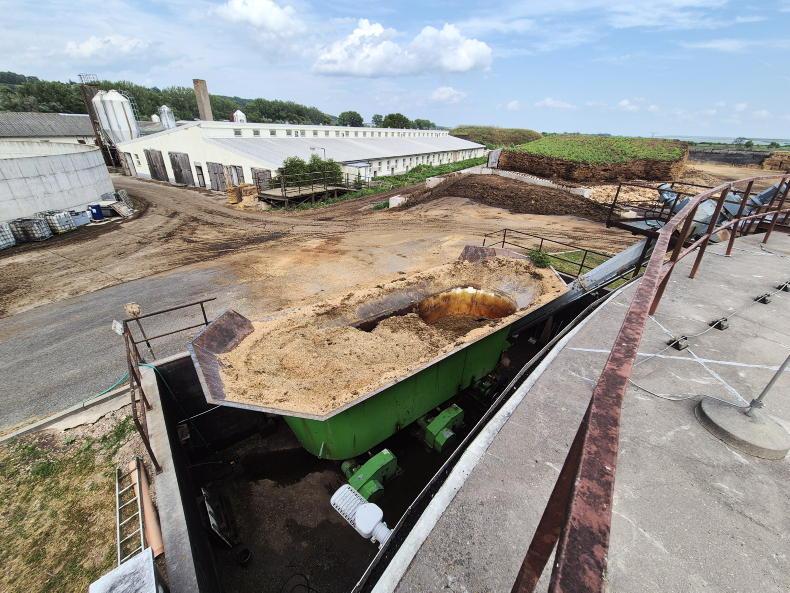
The farm is surrounded by land that grows wheat, barley, rye, alafala and maize. The digester uses slurry, crops and other waste to produce 990kwh of electricity, of which 90% is sold off the farm.
On average, the farm is getting 18c/kw for the electricity. This electricity price is subsidised by about 33%.
The 10% not sold is used on the farm (87-bed hotel, piggery, houses).
The liquid digestate is spread on the growing crops through an irrigator and the solid material is incorporated into the soil. When we visited the farm, there was about six months of maize silage uncovered in a pit close to the digester and also bread (from local bakeries) piled up beside the maize pit.
Q&A on farm issues
Organic farms get between €600/ha and €800/ha. Most organic land is in the mountains (16% organic) and organic farmers produce about 1% of total food produced.
In total, Karel has about 70 people employed, between farm workers, builders, drivers and those working in the hotel (20).
Czech v Ireland
Total Czech land area is about 70,000km2 versus Ireland at 84,000km2. Czech population is about 10m people versus 5.4m in Ireland. About 55% of Czech land is classified as agricultural with the majority in tillage farming compared to the majority in grassland in Ireland. The Czech Republic has about 350,000 dairy cows and 225,000 suckler cows compared to 1.6m dairy cows and 800,000 suckler cows in Ireland. There are no stocking rate restrictions in the Czech Republic.
Copa vice president – Jan Doležal
Czech farmer and near neighbour of Karel, Jan Doležal, was on-farm to discuss key European issues with the farmers. With regard to the key European Council debate on the multiannual financial framework after 2027, the Czech Agrarian Chamber, together with other agricultural institutions, expressed deep concern about the restructuring of the EU budget.
It emphasised the risks associated with merging funding programmes into a single national fund, which could jeopardise the fundamental objectives of the CAP and destabilise European agriculture.
It unequivocally advocates maintaining an independent EU budget in line with the CAP’s objectives and the current challenges facing farmers. It calls for an increase in the CAP budget of at least 30% to cover inflation and rising production costs. According to preliminary results, business income from Czech agricultural activities in 2024 reached €530m (CZK 13.3bn), representing year-on-year growth of 22%. In Ireland, agri food exports exceeded €18bn. In the Czech Republic in 2024, there was a year-on-year decline in the harvest of cereals (-5.9%), oilseeds (-24.6%), grain legumes (-13.1%), hops (-7.2%), wine grapes (-10.0%), fruit (-58.3%) and vegetables (-9.2%). The harvest of potatoes (+14.2%) and sugar beet (+19.6%) was higher.



SHARING OPTIONS