A new study published by the Centre for Innovation and Excellence in Livestock (CIEL), written by leading scientists and industry experts, has identified some of the key innovations that might help UK agriculture meet future greenhouse gas (GHG) emission targets.
The work follows on from a previous CIEL report in 2020, which highlighted that even with a 100% uptake of current technologies – such as calving heifers at two years old, use of clover, switching to protected urea, etc – we will get nowhere near the reductions necessary.
For agriculture and land use to contribute to the UK’s target of net zero emissions by 2050, the Climate Change Committee has suggested the industry must cut emissions by 64%.
The 2020 CIEL report estimated the widespread use of current technology could only deliver a 24% reduction by the 2050 target date. “Bridging this gap is the challenge we face,” notes the latest CIEL report.
The authors set out 11 areas of innovation across four main headings, which, if widely adopted, “provide a platform for achieving the UK’s wider net zero targets”:
1. Animal health and genetics
There are 9.6m cattle across the UK and, compared to pigs and poultry, the rate of vaccine-use in the cattle sector is “relatively low”, state the report authors.
Therefore, there is the potential to significantly improve animal health status by widespread use of vaccines against the likes of IBR and Johne’s Disease (in dairy) and IBR and BVD (in sucklers).
However, vaccines are not available for every production disease (eg, the Johne’s vaccine interferes with the TB test), and there is a possibility that improved animal health leads to more cattle being produced, resulting in higher GHG emissions overall.
But healthy livestock require less feed and fewer medicines, both of which come with a carbon footprint.
Animal genetics also offers scope for “significant reductions” in emissions and the gains made are cost-effective, permanent and cumulative.
Danger
However, there is a danger that, if we just select animals that have lower total emissions, we end up with smaller cattle or sheep that are less productive (higher emissions/litre of milk or kg of meat).
“The challenge is to reduce emissions while maintaining or even improving animal productivity,” notes the CIEL report.
The authors recommend that GHG emissions are included in breeding objectives “as soon as possible”, while recognising there are additional costs when measuring GHG emissions from individual animals.
Feed production accounts for around 36% of GHG emissions from cattle and sheep, and this figure is significantly higher for pigs and poultry, especially where soya is the main protein source and associated with land use change (deforestation) in the country of origin.
According to the CIEL report, novel feeds such as insect meal could replace soya and have the “significant potential” to reduce livestock emissions intensity.
However, there are various issues to potentially resolve, including around feed palatability, while care must be taken to avoid unintended consequences, such as negative impacts on animal health and welfare.
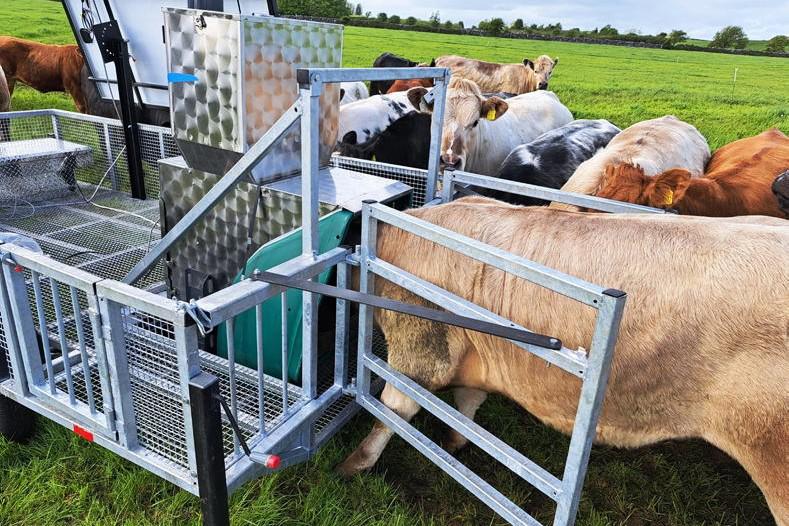
There is also much focus currently on inhibitors to reduce methane from ruminants (the most important GHG from NI agriculture). Feed trials on products such as Bovaer (3-NOP) and red seaweed suggest methane emissions could be cut by around 30%.
Gaps to address
However, the CIEL study highlights a number of gaps to address, including the emissions related to the manufacture of these feed ingredients and how they might be consistently and safely offered to grazing animals.
An ideal solution is a vaccine that induces an immune response so the animal produces antibodies that target methane-releasing microbes in the rumen.
Researchers in New Zealand are working on a potential vaccine, although it will not be available for several years.
“A successful vaccine could deliver huge reductions. While there is medium-high confidence a commercial product can be available by 2050, there is low confidence this is possible by 2030,” notes the CIEL report.
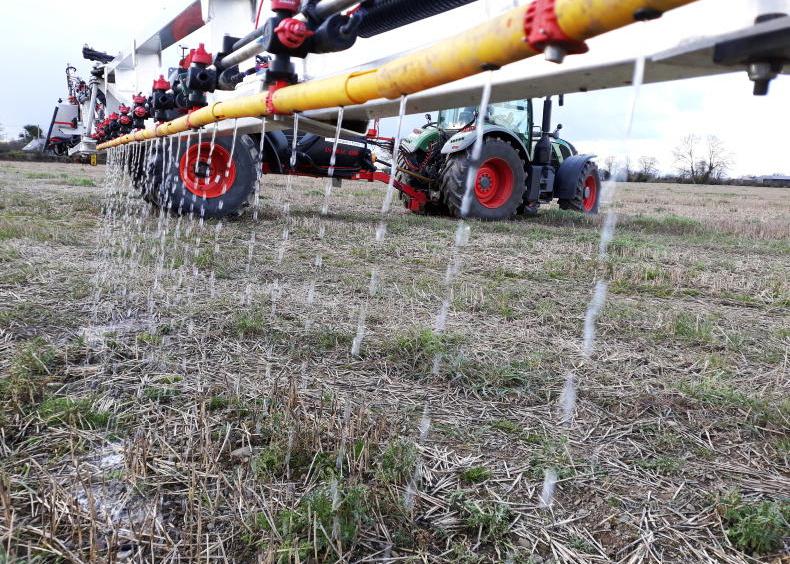
The management of manure accounts for 10% of GHG emissions from livestock, with emissions reduced by covering slurry stores, adding inhibitors to slurry that reduce nitrogen losses and the use of anaerobic digestion to treat manures, etc.
A relatively new technology is the plasma treatment of slurry, a process which utilises electricity and air to add nitrogen into slurry, significantly increasing fertiliser value, while greatly reducing ammonia and methane emissions.
“Plasma treatment technology could revolutionise the way fertiliser is produced,” state the CIEL report authors, who also point out that Government has a crucial role in aiding and encouraging uptake by farmers.
4. Land and
carbon storage
Current estimates are that there are around 10bn tonnes of carbon stored in UK soils, half of which are in the sub-soil (30cm to 100cm deep).
The CIEL report authors suggest that there should be more focus on the sub-soil as a means of storing carbon long-term.
They also highlight the potential for deeper rooting multi-species swards to increase carbon storage, and similarly, for gene-editing technology to be utilised to breed crops and grasses with longer roots.
One potential innovation relates to biochar, a carbon-rich product that is produced when organic waste is heated to very high temperatures without oxygen.
There is evidence to suggest that when biochar is added to land, it will improve soil health and drought resilience – although it is not yet a viable large-scale option to be adopted by farmers.
In conclusion, the CIEL report authors make a number of recommendations for industry and Government, highlighting the need to share information and engage farmers with appropriate knowledge and support.
Read more
Scientists identify key factors in cutting emissions
‘Hugely ambitious’ for 23% cut in UK farm emissions
A new study published by the Centre for Innovation and Excellence in Livestock (CIEL), written by leading scientists and industry experts, has identified some of the key innovations that might help UK agriculture meet future greenhouse gas (GHG) emission targets.
The work follows on from a previous CIEL report in 2020, which highlighted that even with a 100% uptake of current technologies – such as calving heifers at two years old, use of clover, switching to protected urea, etc – we will get nowhere near the reductions necessary.
For agriculture and land use to contribute to the UK’s target of net zero emissions by 2050, the Climate Change Committee has suggested the industry must cut emissions by 64%.
The 2020 CIEL report estimated the widespread use of current technology could only deliver a 24% reduction by the 2050 target date. “Bridging this gap is the challenge we face,” notes the latest CIEL report.
The authors set out 11 areas of innovation across four main headings, which, if widely adopted, “provide a platform for achieving the UK’s wider net zero targets”:
1. Animal health and genetics
There are 9.6m cattle across the UK and, compared to pigs and poultry, the rate of vaccine-use in the cattle sector is “relatively low”, state the report authors.
Therefore, there is the potential to significantly improve animal health status by widespread use of vaccines against the likes of IBR and Johne’s Disease (in dairy) and IBR and BVD (in sucklers).
However, vaccines are not available for every production disease (eg, the Johne’s vaccine interferes with the TB test), and there is a possibility that improved animal health leads to more cattle being produced, resulting in higher GHG emissions overall.
But healthy livestock require less feed and fewer medicines, both of which come with a carbon footprint.
Animal genetics also offers scope for “significant reductions” in emissions and the gains made are cost-effective, permanent and cumulative.
Danger
However, there is a danger that, if we just select animals that have lower total emissions, we end up with smaller cattle or sheep that are less productive (higher emissions/litre of milk or kg of meat).
“The challenge is to reduce emissions while maintaining or even improving animal productivity,” notes the CIEL report.
The authors recommend that GHG emissions are included in breeding objectives “as soon as possible”, while recognising there are additional costs when measuring GHG emissions from individual animals.
Feed production accounts for around 36% of GHG emissions from cattle and sheep, and this figure is significantly higher for pigs and poultry, especially where soya is the main protein source and associated with land use change (deforestation) in the country of origin.
According to the CIEL report, novel feeds such as insect meal could replace soya and have the “significant potential” to reduce livestock emissions intensity.
However, there are various issues to potentially resolve, including around feed palatability, while care must be taken to avoid unintended consequences, such as negative impacts on animal health and welfare.
There is also much focus currently on inhibitors to reduce methane from ruminants (the most important GHG from NI agriculture). Feed trials on products such as Bovaer (3-NOP) and red seaweed suggest methane emissions could be cut by around 30%.
Gaps to address
However, the CIEL study highlights a number of gaps to address, including the emissions related to the manufacture of these feed ingredients and how they might be consistently and safely offered to grazing animals.
An ideal solution is a vaccine that induces an immune response so the animal produces antibodies that target methane-releasing microbes in the rumen.
Researchers in New Zealand are working on a potential vaccine, although it will not be available for several years.
“A successful vaccine could deliver huge reductions. While there is medium-high confidence a commercial product can be available by 2050, there is low confidence this is possible by 2030,” notes the CIEL report.
The management of manure accounts for 10% of GHG emissions from livestock, with emissions reduced by covering slurry stores, adding inhibitors to slurry that reduce nitrogen losses and the use of anaerobic digestion to treat manures, etc.
A relatively new technology is the plasma treatment of slurry, a process which utilises electricity and air to add nitrogen into slurry, significantly increasing fertiliser value, while greatly reducing ammonia and methane emissions.
“Plasma treatment technology could revolutionise the way fertiliser is produced,” state the CIEL report authors, who also point out that Government has a crucial role in aiding and encouraging uptake by farmers.
4. Land and
carbon storage
Current estimates are that there are around 10bn tonnes of carbon stored in UK soils, half of which are in the sub-soil (30cm to 100cm deep).
The CIEL report authors suggest that there should be more focus on the sub-soil as a means of storing carbon long-term.
They also highlight the potential for deeper rooting multi-species swards to increase carbon storage, and similarly, for gene-editing technology to be utilised to breed crops and grasses with longer roots.
One potential innovation relates to biochar, a carbon-rich product that is produced when organic waste is heated to very high temperatures without oxygen.
There is evidence to suggest that when biochar is added to land, it will improve soil health and drought resilience – although it is not yet a viable large-scale option to be adopted by farmers.
In conclusion, the CIEL report authors make a number of recommendations for industry and Government, highlighting the need to share information and engage farmers with appropriate knowledge and support.
Read more
Scientists identify key factors in cutting emissions
‘Hugely ambitious’ for 23% cut in UK farm emissions






SHARING OPTIONS