


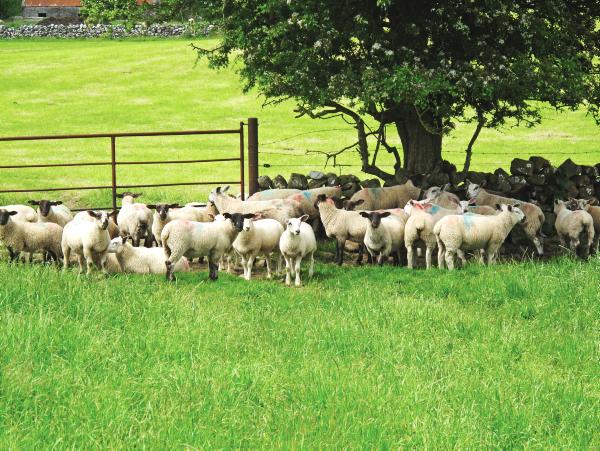
However, the advantages of running a prolific flock are only really fully realised when implemented hand in hand with a farm plan that focuses on getting maximum animal performance from grass.
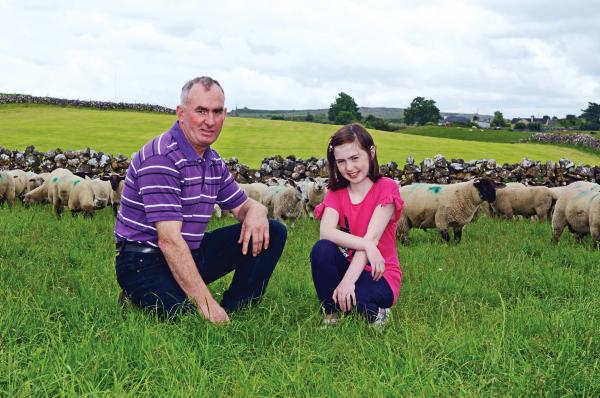
PJ Finnerty farms in Brideswell, Co Roscommon, and is the host farmer for this year’s Irish Grassland Association sheep farm walk. His enterprise has developed on finding a breed mix that maximises the farm’s resources, making the best use of grass, labour availability and potential markets. PJ said that these are all areas where there needs to be flexibility and a willingness to change if it means improvements can be made.
Breed mix
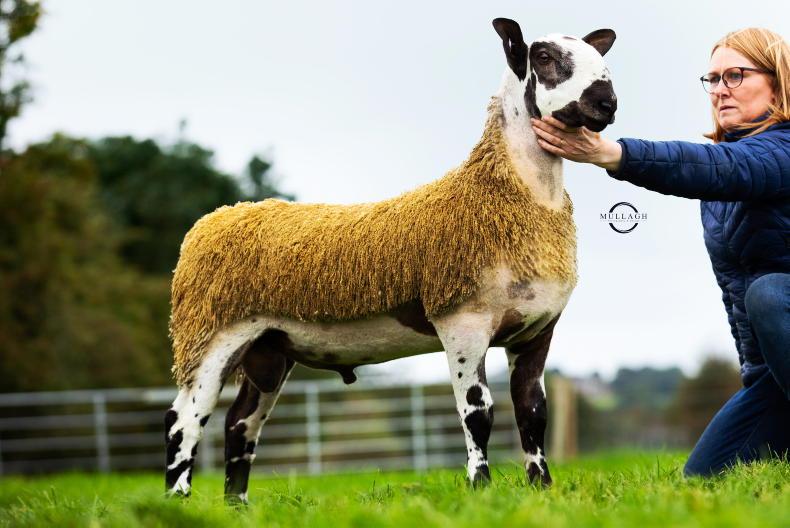
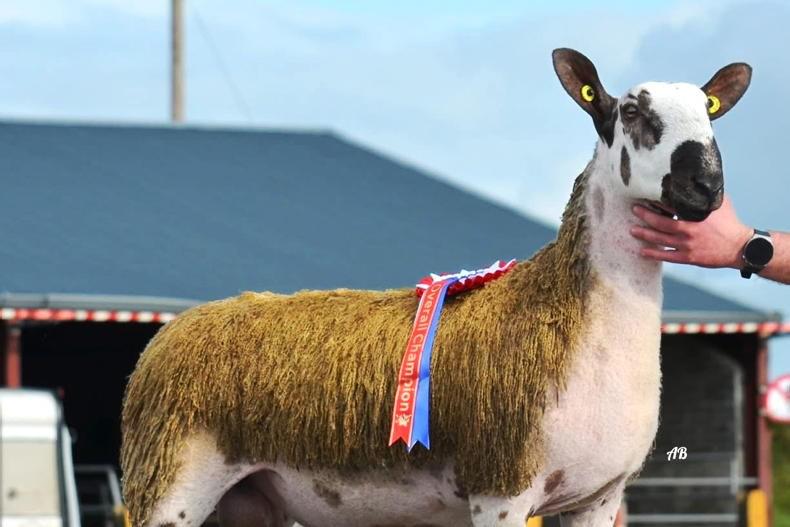
Breeding in the ewe flock is a mixture of Suffolk, Belclare and Bluefaced Leicester. There is reasoning behind each breed inclusion; the Belclare and Blue Leicester boost prolificacy and maternal characteristics, the Blue Leicester adds size to the mix and the Suffolk adds improved growth rates and easier fleshing characteristics.
PJ has also started to experiment with Texel as a terminal sire. He said he may also experiment in retaining some Texel sired ewe lambs as he feels that having a good maternal ewe base may allow some Texel breeding to bring something new to the mix without affecting the strong maternal base in the flock.
The breed mix is delivering in output without excessively driving litter size. The scanning result for the 2012 mature breeding ewe flock was 1.94 lambs per ewe to the ram (193 twins, 50 triplet, 49 singles and 10 barren ewes). This becomes more impressive when you consider it includes hoggets that reared lambs as yearlings. The farm is succeeding in its target of rearing 1.75 lambs per ewe mated. Much of this performance is attributed to using good genetics (he has recently purchased €uro-star rated rams), adopting best practice management pre-mating and maintaining thorough records on every ewe lambed.
||PIC2||
The first ewes start lambing on 20 February with hoggets mated to lamb two weeks later and yearlings mated to lamb from St Patrick’s Day. This spreads the workload, matches lambing date to grass availability and gives hoggets and ewe lambs longer to be in prime condition at mating.
A strict culling regime is in place and the ewe crop is kept fresh by culling all ewes once they reach five years of age. This also helps to reduce ewe mortality and age related issues such as ewes having large udders, big teats or losing condition faster due to broken mouths.
The farm has an issue with mastitis and it is thought this could be linked to the milky nature of the ewes and more vigorous suckling of lambs due to higher litter sizes.
Mating ewe lambs
PJ said that at five years of age, ewes have already delivered five crops of lambs and have done more than enough as they lamb as yearling hoggets. As the flock has a high maternal status, there are significant numbers of ewe lambs from which to select replacements.
All lambs are ear notched at birth to denote their litter size. PJ does not look too much into selecting twins over singles or triplets as he said that there is already good prolificacy in the flock and this materialises itself irrespective of litter size. He said that the exception to this is small triplet born lambs as there is sometimes a tendency for these to stay small. The best of the excess ewe lambs are sold for breeding with the farm part of a new group, Roscommon Prolific Replacements, established in 2012 to market ewe lambs in two special yearly sales in Roscommon and Ballinasloe.
Despite the high numbers of lambs to choose from, he selects replacements early from the first draft of lambs and aims for lambs that will be close to or exceeding 50kg at mating. This, he said, is important, especially when ewe lambs are lambed early from St Patrick’s Day. Ewe lambs are shorn and mating is limited to four weeks. Selecting well grown lambs helps to increase the number of lambs mated, conception rates and litter size. The 2012 ewe lamb scan averaged 1.48 lambs per ewe lamb put to the ram (64 twins, 35 singles, six triplets and 17 empty). Ewe lambs are ran as a separate group and this year were supplemented for several weeks post lambing.
Grassland management
The 50ha farm can be split into an out-farm of good, free draining soils (about 20ha) and heavier soils around the farmyard. Grassland management is impressive with sward productivity on the better area of the farm maximised to sustain higher stocking rates. This is made possible by a paddock grazing system of six big and six small paddocks.
In spring, ewes and lambs are gradually grouped into two big groups of 100 and 150 ewes and lambs. The groups are rotated around their six respective paddocks and are also mixed grazed with cattle. This takes advantage of the benefits of mixed grazing, with 25 heifers grazing with each group this year.
PJ has found a significant improvement in the volume of grass grown since the paddock system was installed. “The paddocks give me greater control of grass growth and I am better placed to deal with too little or too much grass. They let me take advantage of the recent rise in grass growth and I was able to make silage from surplus grass,” he said.
It is also common practice to temporarily split paddocks with electrified netted fencing to make even better use of available grass. Grassland management is aided post weaning by grazing lambs and cattle ahead of yearling hoggets and dry ewes.
Performance & drafting
Maximum use is made of grazed grass but supplementary feeding is also utilised where it has a role to play. From weaning onwards, heavier ram lambs are separated from the main group of lambs once they reach a certain weight (currently 35kg to 38kg upwards) and are supplemented with 200 grams of concentrates per head per day. PJ finds that this helps put a better cover of flesh on ram lambs, lifts the kill-out percentage and brings ram lambs to slaughter weight faster.
The levels fed are small but it helps to keep lambs moving, with the majority of ram lambs drafted by the middle of September. This, in turn, reduces grass demand and helps to build grass reserves heading into the autumn.
Lambs generally come fit very fast in July with drafting taking place weekly at an average of 45kg to 46kg, with lambs achieving predominately R grade in conformation.
Conference proceedings
The morning conference session will take place in the Hodson Bay Hotel on Tuesday 16 July. Topics covered include a sheep breeding update by Noirin Mchugh while Teagasc Walsh fellow, Frank Crampion will detail his research looking at optimising the nutrition of high prolificacy ewes. Damien Barrett, Sligo RVL will discuss Schmallenberg virus and the potential risk in Irish flocks while Roscommon vet John O’Rourke will cover another topical health area of control options for fluke. The cost, if booked before 9 July, is €30 for IGA members and €70 for non members.
A focused breeding programme is delivering in increased output
A paddock grazing system has significantly improved grassland management
Breeding and management focus on maximising returns from the market



SHARING OPTIONS