Sheep management: treatment of rams, external parasites and the CLP
Darren Carty outlines how rams may require preferential treatment after the breeding season, controlling external parasites and how a spike has occurred in issues with the clean livestock policy.
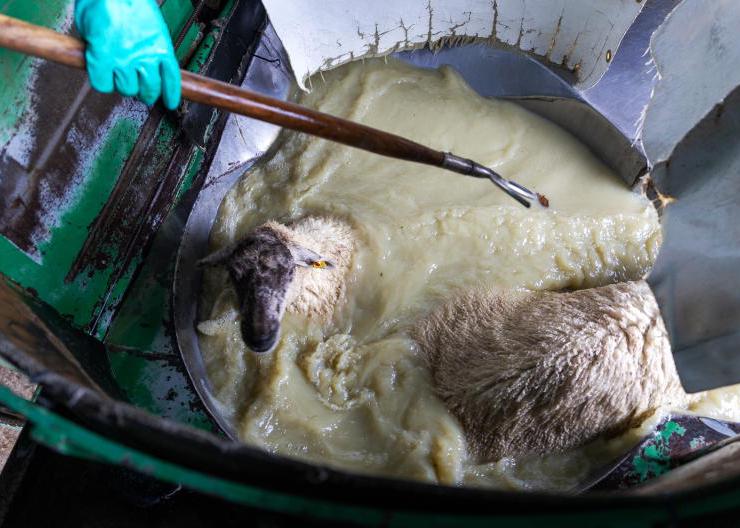
Dipping remains the gold stadard when it comes to controlling external parasites on sheep.
ADVERTISEMENT
Ram management:
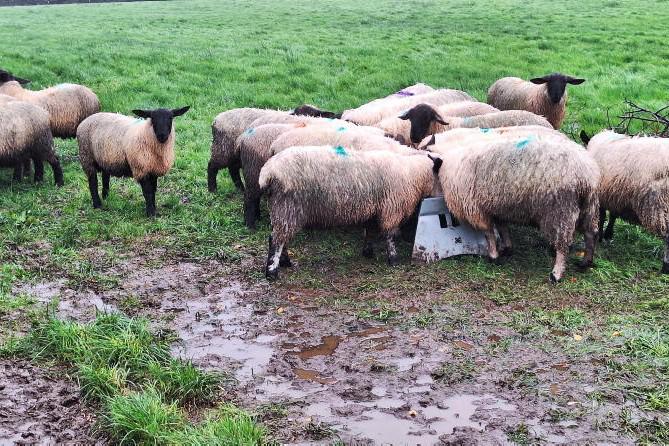
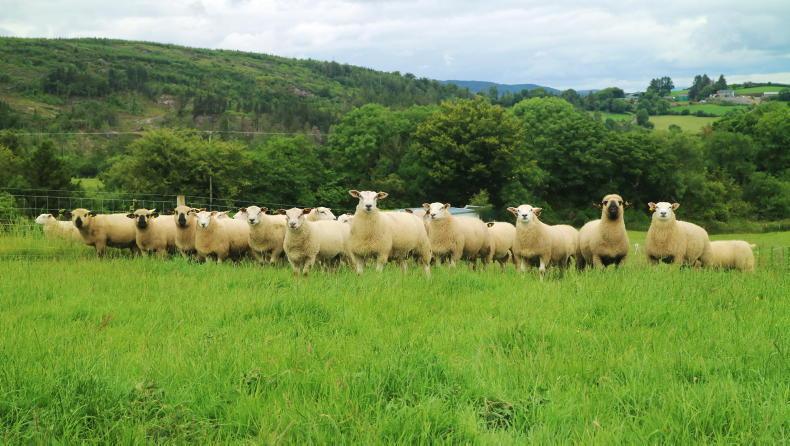
Breeding has come to an end in the majority of lowland flocks and is at an advanced stage in hill flocks. This breeding season has been hard on young rams, with poor grass utilisation and a low dry matter content leaving rams with a significant workload, struggling to meet nutritional demands. As such, it is important that rams are removed from ewes to allow preferential treatment. This is particularly important for ram lambs who have a higher nutritional demand, to satisfy maintenance and growth requirements. Where rams have lost significant condition, then concentrate supplementation should be introduced. Re-joining rams after breeding can be tricky, as rams re-establish the pecking order in the group. Confining rams to a small space for a period will generally help rams to become accustomed to each other again and limit fighting.
Lice versus scab:
ADVERTISEMENT
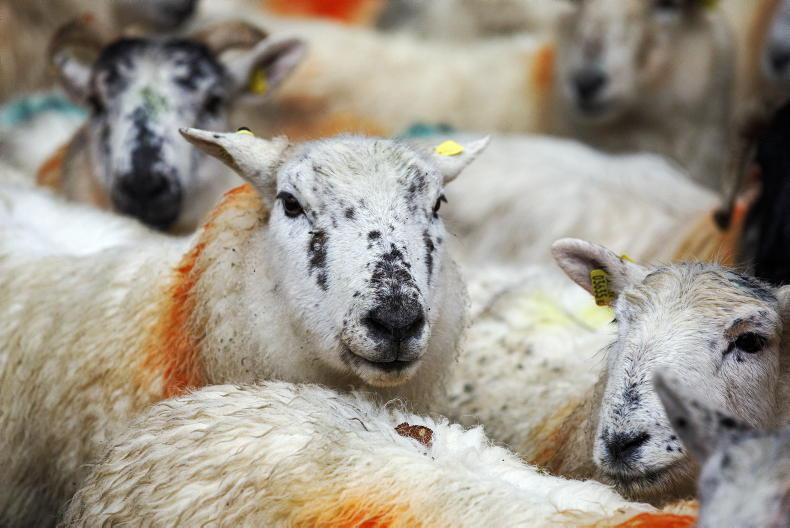
It is the time of year where queries start to increase on external parasite issues. Remember dipping is the gold standard treatment. Where not an option for one reason or another, then it is critical to differentiate if lice or sheep scab is the issue before treating, as there is no solution outside of dipping that addresses both. Using injectables for sheep scab should be a last resort, given the risk of anthelmintic resistance developing. If using though, it is important to follow manufactures guidelines, as a second treatment is required with some products or a higher dosage where targeting sheep scab. Bringing a couple of animals to your vet to take a skin sample for analysis under a microscope is a good move in identifying the route cause. It is also worth noting that sheep scab and lice can be present at the same time and also that other issues, such as fungal infections, can be to blame for sheep scratching.
Clean livestock policy:
It is not surprising that there has been a spike in issues again with the clean livestock policy. If in doubt that lambs are borderline Category B and are at risk of falling in to Category C, then it is worth speaking with the procurement officer in advance of moving sheep. Options including delaying drafting of sheep, or looking at measures such as clipping/shearing, can be looked at easier pre-slaughter. Once lambs arrive at a plant, then there is much less scope to take remedial action.
Register for free to read this story and our free stories.
This content is available to digital subscribers and loyalty code users only. Sign in to your account, use the code or subscribe to get unlimited access.
However, if you would like to share the information in this article, you may use the headline, summary and link below:
Title: Sheep management: treatment of rams, external parasites and the CLP
Darren Carty outlines how rams may require preferential treatment after the breeding season, controlling external parasites and how a spike has occurred in issues with the clean livestock policy.
The reader loyalty code gives you full access to the site from when you enter it until the following Wednesday at 9pm. Find your unique code on the back page of Irish Country Living every week.
CODE ACCEPTED
You have full access to the site until next Wednesday at 9pm.
CODE NOT VALID
Please try again or contact support.
Ram management:
Breeding has come to an end in the majority of lowland flocks and is at an advanced stage in hill flocks. This breeding season has been hard on young rams, with poor grass utilisation and a low dry matter content leaving rams with a significant workload, struggling to meet nutritional demands. As such, it is important that rams are removed from ewes to allow preferential treatment. This is particularly important for ram lambs who have a higher nutritional demand, to satisfy maintenance and growth requirements. Where rams have lost significant condition, then concentrate supplementation should be introduced. Re-joining rams after breeding can be tricky, as rams re-establish the pecking order in the group. Confining rams to a small space for a period will generally help rams to become accustomed to each other again and limit fighting.
Lice versus scab:
It is the time of year where queries start to increase on external parasite issues. Remember dipping is the gold standard treatment. Where not an option for one reason or another, then it is critical to differentiate if lice or sheep scab is the issue before treating, as there is no solution outside of dipping that addresses both. Using injectables for sheep scab should be a last resort, given the risk of anthelmintic resistance developing. If using though, it is important to follow manufactures guidelines, as a second treatment is required with some products or a higher dosage where targeting sheep scab. Bringing a couple of animals to your vet to take a skin sample for analysis under a microscope is a good move in identifying the route cause. It is also worth noting that sheep scab and lice can be present at the same time and also that other issues, such as fungal infections, can be to blame for sheep scratching.
Clean livestock policy:
It is not surprising that there has been a spike in issues again with the clean livestock policy. If in doubt that lambs are borderline Category B and are at risk of falling in to Category C, then it is worth speaking with the procurement officer in advance of moving sheep. Options including delaying drafting of sheep, or looking at measures such as clipping/shearing, can be looked at easier pre-slaughter. Once lambs arrive at a plant, then there is much less scope to take remedial action.
If you would like to speak to a member of our team, please call us on 01-4199525.
Link sent to your email address
We have sent an email to your address. Please click on the link in this email to reset your password. If you can't find it in your inbox, please check your spam folder. If you can't find the email, please call us on 01-4199525.
ENTER YOUR LOYALTY CODE:
The reader loyalty code gives you full access to the site from when you enter it until the following Wednesday at 9pm. Find your unique code on the back page of Irish Country Living every week.
SHARING OPTIONS