Feeding crops is sometimes forgotten once the bags of fertiliser have gone out, but it’s about much more than that. From soil structure and biology to foliar feeds, keeping crops healthy is no simple task, but it is a very important one.
As grain prices are not where they need to be this year farmers can rightly be cautious about spending money on inputs.
However, sometimes a cut can have a negative effect on yield and therefore income. In the same way a product should not be applied if it does not give a return.
Robbie Byrne of Precision Nutrition joined The Tillage Podcast to talk all things plant health and he cautioned that “people may be looking for big differences or one magic bullet product to give a big lift in yield or performance and we find it’s rarely that”.
Robbie explained that fungicides are hugely important to protect yield in a crop but he stated that basic nutrition, soil nutrition and active soil biology can increase yields along with foliar nutrition.
Robbie referenced trials showing 1-2t/ha yield losses in wheat that received good fungicide programmes until a T3 application was left out. He said inputs can’t be cut without walking crops and examining what they need.
He noted as chemicals leave the market, some products will be lost and bio-stimulants and nutrition may be needed more.
Hence the need to push yield from the start and open your mind to the use of products outside of fungicides.
“Yields have been stagnant for the last number of years. We see differences in varieties, we see differences in fungicide programmes and we see differences in nutrition programmes.”
When it comes to soil nutrition, he says there is too much focus on what index we have. 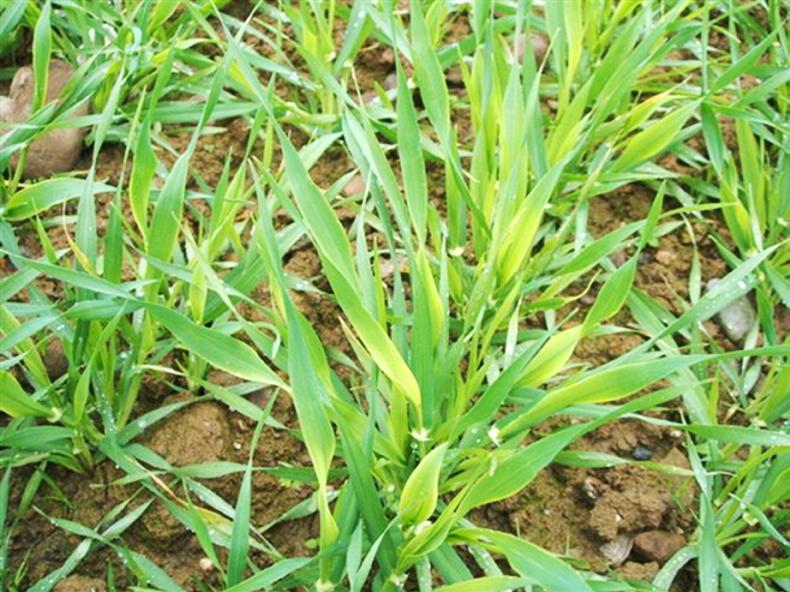
However, he says: “We could have very high indices and on paper we have a very good soil sample that should grow us a good crop, but if there’s compaction in that soil a lot of plant roots won’t get to access that nutrition and we can really restrict that down and the potential for the crop,” he said.
He noted: “We see some fields that are quite high for various reasons in P and K and they seem to have strong plants from start to finish and that’s an area we’d like to see expanded on with Government research.”
Bio-stimulants are another area playing a bigger role in plant health and as chemicals go off the market, they will become more important. Robbie said bio-stimulants can reduce stress in the plant and have really shined where applied with herbicides in tough conditions.
Leaf samples
When it comes to foliar nutrition Robbie encourages farmers to take leaf samples and send them to a lab for testing. Your agronomist will know a lab or the lab that does your soil tests may test them.
By taking leaf samples over a number of years, you will be able to see if there is a consistent deficiency in the field or is there a deficiency affected by weather or an imbalance in the soil?
Seed treatments
Seed treatments can help plants get off to a good start.
“There are a number of seed treatments out there and they pump above their weight and it mightn’t be necessarily fixing a deficiency. We think we need a manganese or a zinc because we’re zinc deficient in the soil or in the geographical area or manganese deficient,” he said.
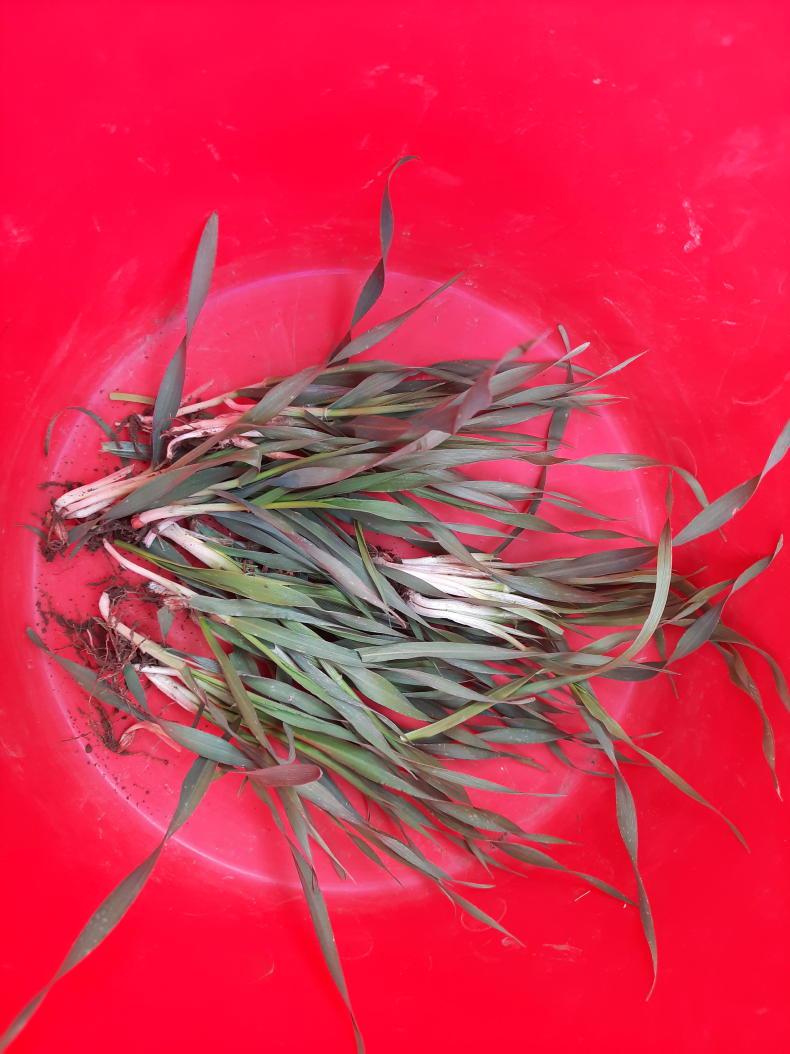
“We find a lot of those products, and they’re not high cost, tend to give a bigger root mass. You can run from products on the shelf to some farmers doing a very good job making biological type materials. We’re always encouraging farmers to try and grow a bigger root mass. If you can grow a bigger root mass you’ll pick up more nutrition, you’ll explore more of the soil profile. You’ll open up more air channels, you’ll pick up more water – especially in the drought challenging years,” he commented.
So, the seed treatment might encourage better uptake of much more nutrients and Robbie says if that results in an extra tiller then that is more photosynthesis and more yield.
Fixing deficiencies
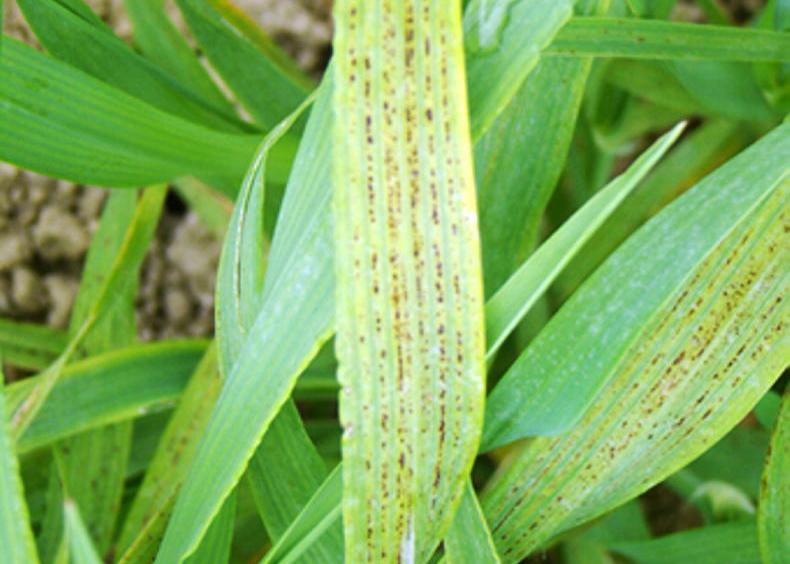
Some deficiencies are commonplace. Farmers often need to apply multiple applications of magnesium or manganese to keep on top of it, whereas, zinc may only require one application.
Robbie said that when growers are applying a micro-nutrient it should be doing more than one job. Yes, it should fix the deficiency, but it should also help the plant to be more resistant to insect or disease attack and build immunity within the plant.
Magnesium helps to build chlorophyll in the plant and increase photosynthesis, while research has shown how potash increases the bushel of crops, particularly oats. He has seen yield responses of 0.3, 0.4, up to 0.7t/ha from foliar sulphur as a source of nutrition and noted that sulphur was doing important work long before it was registered as a fungicide.
Back to his original point Robbie explained there is no one solution when it comes to nutrition or reducing stress on plants, but these products can increase yields. Farmers just need to start to investigate what needs to happen on their farms.
Return on investment
A 300kg/ha yield increase equates to €78/ha on wheat at a price of €195/t. If the product cost €14/ha to apply it’s making €64/ha. It’s not as simple as that, but everyone can do their own maths.
“There’s no point chasing yield if we’re going to spend more than the yield is worth, but in most cases there’s a positive return on investment and you’re hopefully learning more as you go along.”