



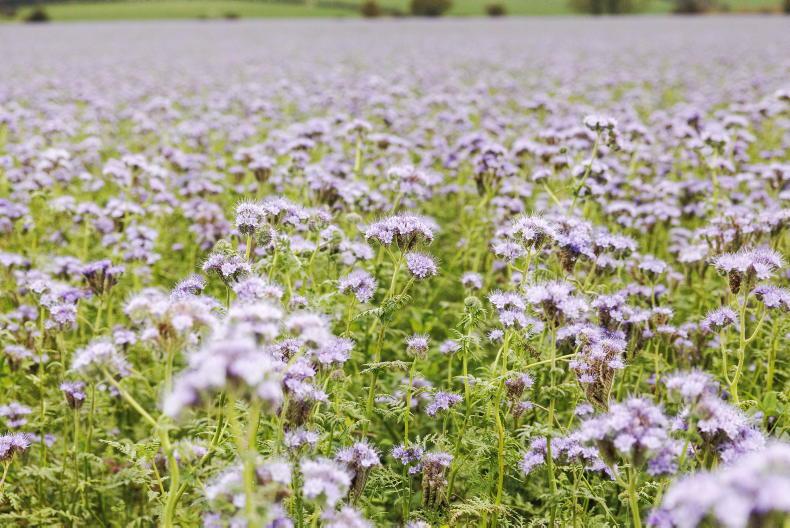
Cover crops have grown in popularity with the rise in schemes and farmer interest. They have many benefits, from improving soil structure and preventing soil erosion to taking up nutrients left in the soil and protecting water quality.
When sowing there are two main things to take into account – the standard of seed that you buy and the other crops that you have in your rotation.
Dry land
This year though, ground is too hard to plant in most places so far and the lack of moisture in the soil also means crops would struggle to germinate and grow.
No doubt rain will come eventually. Time is ticking on the deadline for the short-term cover crops in the Farming for Water Programme, so this might need to be assessed.
In general, the earlier you plant the better the crop, but this year that won’t be the case. However, you should try and plant once conditions allow to maximise growth.
Mixes do not need to be complicated, but a few things should be considered. Avoid brassicas where you grow oilseed rape and legumes where you grow beans. Table 1 shows seed rates for both schemes.
Purchase higher voluntary standard seed
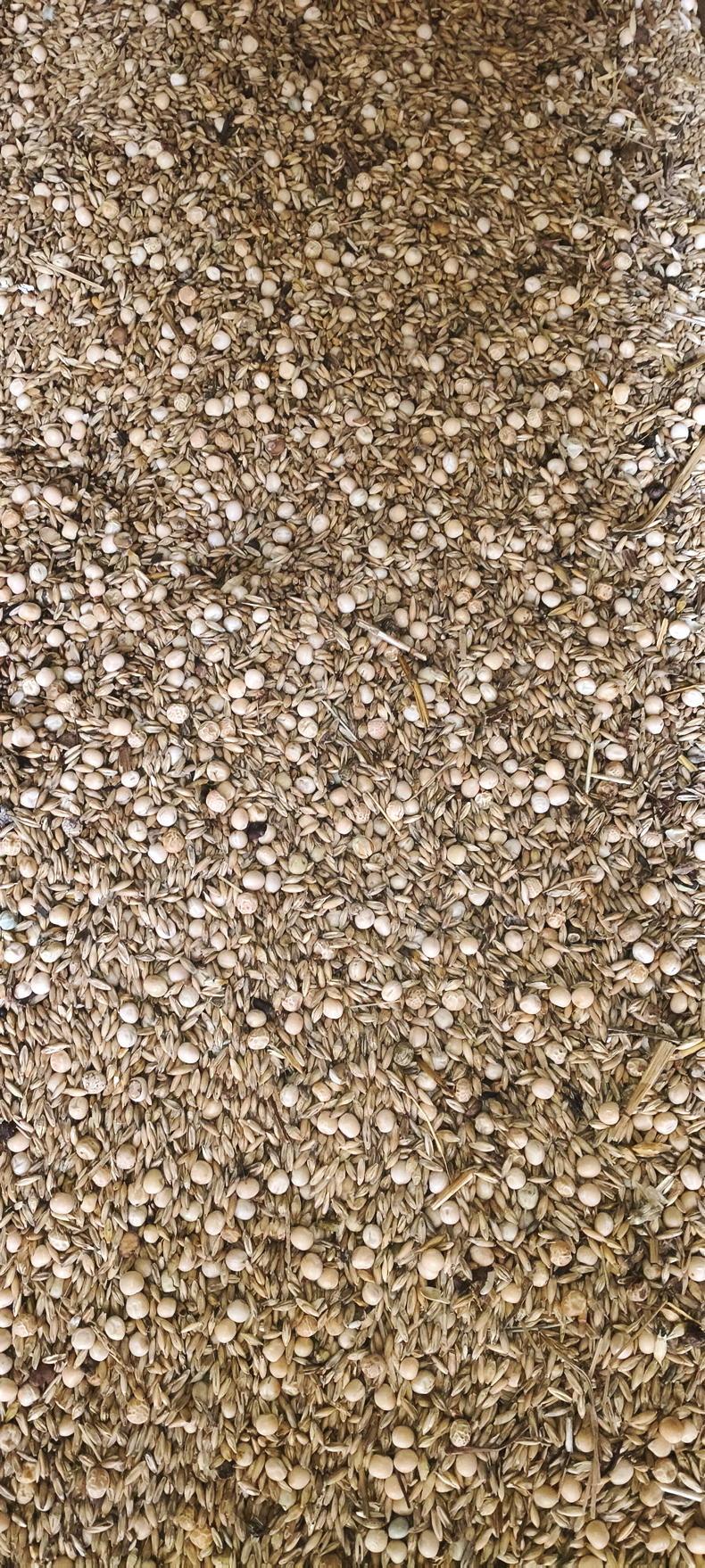
One of the most important decisions you can make when you are growing cover crops is what seed you buy. You may remember back to an article we did last November where blackgrass, wild oats, brome, ryegrass and other weed seeds were found in cover crop seeds.
After this, many more farmers came to the Irish Farmers Journal to say they had found cover crop seed with grass seeds in it.
One thing you don’t want to do when you are growing cover crops is to plant weed seeds on your farm, especially seeds like blackgrass and brome.
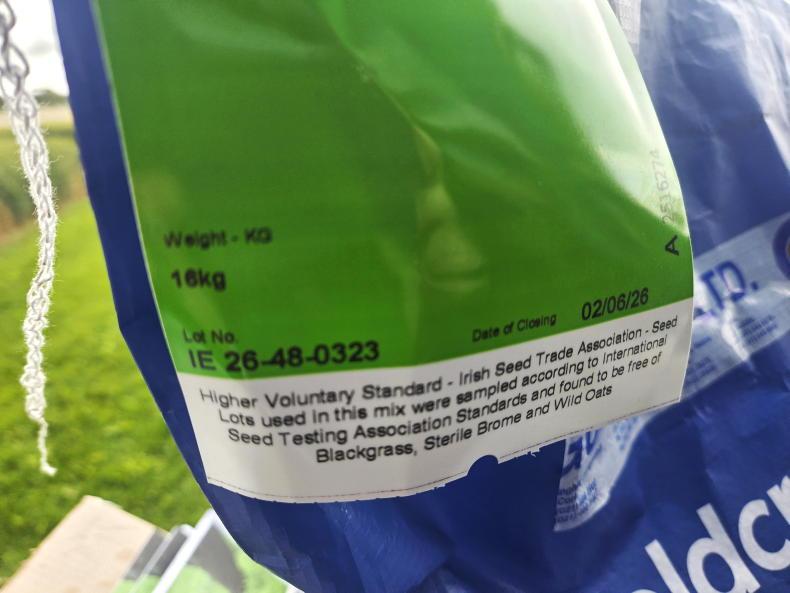
However, there is seed available that has a higher voluntary standard. This means that the seed has been tested for wild oats, brome and blackgrass by an International Seed Testing Association approved lab and the sample has been certified as being free of these weeds.
You will know this by the label on the bag. It will say it has been tested and have an approved Department of Agriculture, Food and the Marine label.
Ireland has high seed standards and some of the trade are implementing this voluntarily, to protect Irish farmers, so make use of it.
When purchasing seed in the co-op or merchant’s do not go in and ask for cover crop seed, ask for higher voluntary standard cover crop seed.
Catch crops before winter crops (FFW)
Over-winter catch crops (FFW)
ACRES catch crop dates
If you were accepted into the Farming for Water Programme last year for cover crops then you are automatically entered for this year and next year.
You do not have to plant the full amount that you applied for. You will be paid for what you plant So, if you entered 15ha into the scheme and you only plant 10ha then you declare 10ha and will be paid for 10ha.
The scheme aims to plant crops into appropriate conditions and not to put pressure on farmers in difficult conditions.
Where farmers are submitting an application to the wider Farming for Water Programme, for example water pumps or a yard brush, they can also apply for the catch crop measure, but are not guaranteed entry into the catch crop measure.
Seeding rates and mixes are the same for the Farming for Water Programme as they are in ACRES.
Clubroot
Oilseed rape has gained popularity again and catch crops have too. If you grow oilseed rape on your farm then you should really avoid growing brassica catch crops like forage rape, stubble turnips, mustard or kale. These catch crops can cause clubroot in the soil, the same way that growing oilseed rape in a short rotation can cause clubroot to build up.
If clubroot gets onto your farm, it can take 20 years for it to leave the soil, so caution is needed. Planting a brassica catch crop into a field which grows oilseed rape can increase the risk of clubroot and so should be avoided. There are plenty of mixes available without brassica crops. Phacelia and vetch is a popular one. Oats is a good one to include. There are so many available so take a look through Table 1.
Keep your labels and the dockets to prove you planted the right rates. The Farming for Water Programme follows the ACRES seeding rate guidelines.




SHARING OPTIONS