



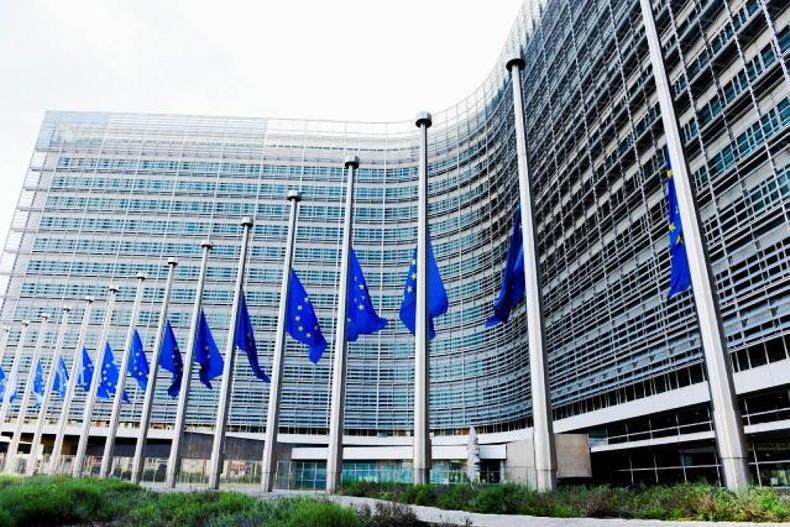
The European Commission is set to propose that food and feed produced from gene edited plants should be allowed on to the EU market without labels if there are sustainability benefits.
The genetic modification, obtained by certain new genomic techniques (NGTs), will be allowed if it can also occur naturally or as a result of conventional breeding.
For example, if agronomists have developed a way to breed a more drought-resistant crop plant conventionally, but this can be fast-tracked using NGTs, the genetically modified plant will be permitted.
The Commission proposals are set to be revealed on 5 July as part of a broader ranging food and biodiversity package.
Food security
Commission officials have said the move to allow non-labeled NGT food and feed products in Europe will encourage the development of plant traits that will help fulfill the UN sustainable development goals of tackling hunger and climate change.
The permitting of the products and the removal of labeling requirements will also reduce the administrative burden on plant breeders, according to the Commission.
“Measures would be introduced to incentivise plant products that could contribute to a sustainable agri-food system,” the draft Commission proposal reads.
Herbicide resistance
The Commission also proposes that an exception be made for plants with herbicide resistance, which would still have to be labeled as genetically modified (GM).
It said such plants “will remain subject to authorisation” in order to be able to assess their impacts on human, animal health and the environment.
“There is evidence showing that herbicide-resistant weeds may arise from the combined use of herbicide-tolerant varieties and overuse of the associated herbicide,” the proposal reads, noting “potential health and agro-ecosystem impacts”.
Organics
When it comes to organics, the Commission said NGT products that “meet the criteria to be considered equivalent to conventional breeding, should be treated as GMOs”.
That means that the NGT plants permitted in conventional production will remain prohibited in organic production.
This will be to “allow choice at the beginning of the supply chain to support maintaining organic production free from NGTs and preserve consumer trust”.





SHARING OPTIONS