




Feeding preserved grain to pigs can reduce the carbon footprint of pig production by 11% and improve farm profitability by 27% according to UCD research.
These research findings were presented at an Adesco event held last week in collaboration with UCD and BiOrbic. UCD research also showed that using treated grain instead of dried grain could actually increase animal performance, growth and health.
Over four years of research trials, Professor John O’Doherty and his team found that where sows and pigs are fed preserved grain, throughout the full production cycle, the carbon footprint is reduced by 11%.
Grain storage and drying is a huge cost in the feed chain so cutting fuel use can significantly reduce costs. These costs and investment can also prevent farmers from keeping their own grain or selling grain on to other farmers directly.
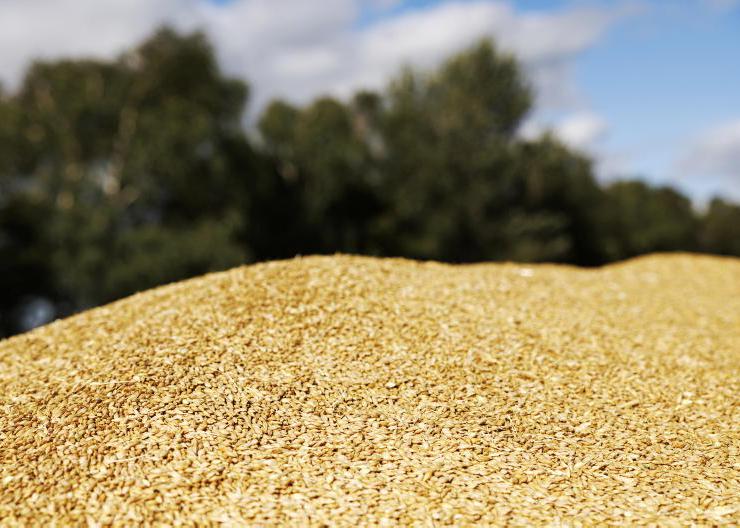
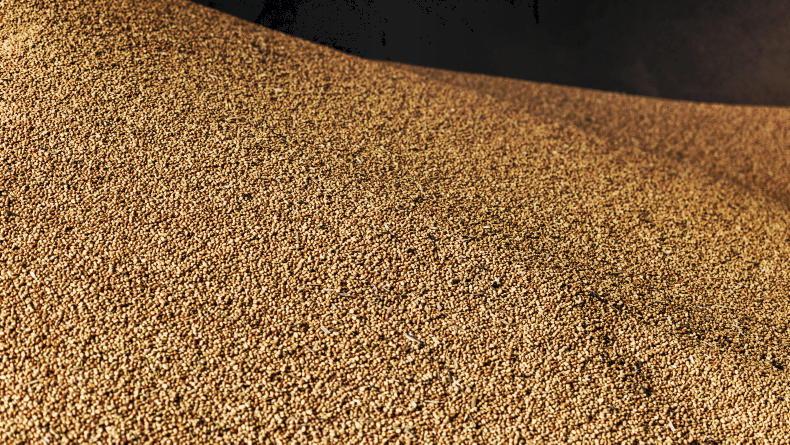
Treating grain provides an option for farmers to store grain without drying. A lifecycle assessment showed that replacing grain drying which uses fossil fuels, with grain treatment can reduce the carbon footprint of grain processing by up to 18%.
Animal health
Treated grain was also shown to have less mould and mycotoxins than dried grain and was shown to reduce diarrhoea incidence in pigs, while also improving digestibility and nutritional benefits.
Professor John O’Doherty of UCD said that grain is often treated as energy, but it drives intake, digestion and growth. He noted that post-weaning diarrhoea in pigs often starts with indigestible grain.
400,000t
John Ryan of Adesco also pointed out that the most important thing is to treat the grain properly and it will store fine for 12 months. He said approximately 400,000t of grain are being treated with Adesco products in Ireland.
The acid treatment will not impact on storage facilities if treated properly and where temperature, moisture and ventilation levels are monitored properly. He said Ireland, is ideal for grain treatment with grain at about 18% moisture content ideal for treatment.
He added that 120-130t of grain can be treated per hour, compared to drying 20-30t/hr depending on the set up. Grain can also be stored much higher when treated when compared to dried.



SHARING OPTIONS