Longford suckler man Robert Abbott has placed a massive focus on maximising his farm’s grassland and forage potential since joining the BETTER farm programme at the beginning of last year.
Robert made an excellent crop of first cut silage in 2017 (below).
ADVERTISEMENT
Dry matter (%) - 26.5
pH - 4.8
Ammonia-N (%) - 15
Crude Protein (%) - 15.6
DMD (%) - 76
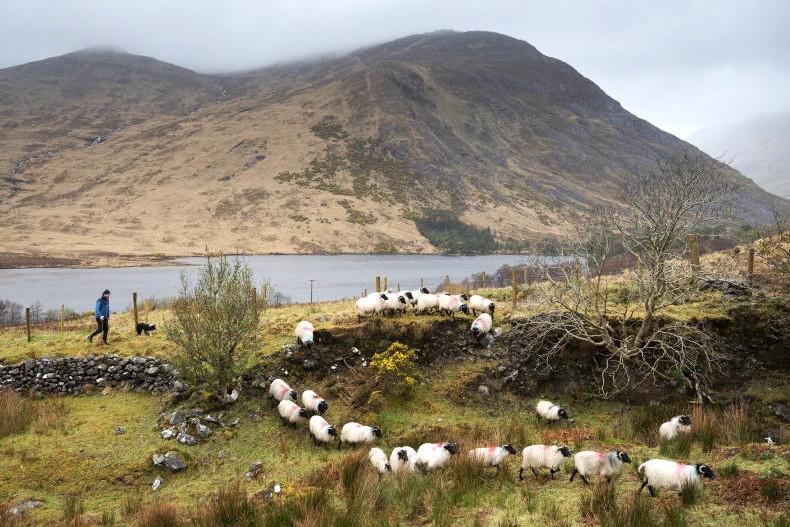
“Getting silage ground grazed off before an early cutting date is okay in theory, but can be difficult to achieve on heavier soils like mine. My sheep are a big help here, in that they can eat silage ground over the winter. They’re off it by the end of March and that means I can get my fertilisers out and get a good early cut. I’m aiming for 20 May this year,” Robert told me.
Robert’s main 2017 first cut of silage was five digestibility units ahead of the BETTER farm average of 71%. This difference, in energy terms, equates to a meal requirement almost 2kg lower per head daily.
Spring grass
Robert is aiming to calve up on 50 cows in the springtime by the end of his time in the BETTER farm beef programme. Having an adequate supply of grass in the spring is crucial for such a farm set-up.
Robert has made the conscious decision to move his calving spread back slightly to a March-April-based season. In this way, he is giving himself a better chance of being able to get young calves and cows straight to grass and utilising early grass.
“I have shrunk down the area devoted to my sheep for the winter to 11 acres and I ran a strict autumn-closing planner from mid-October,” Robert told me.
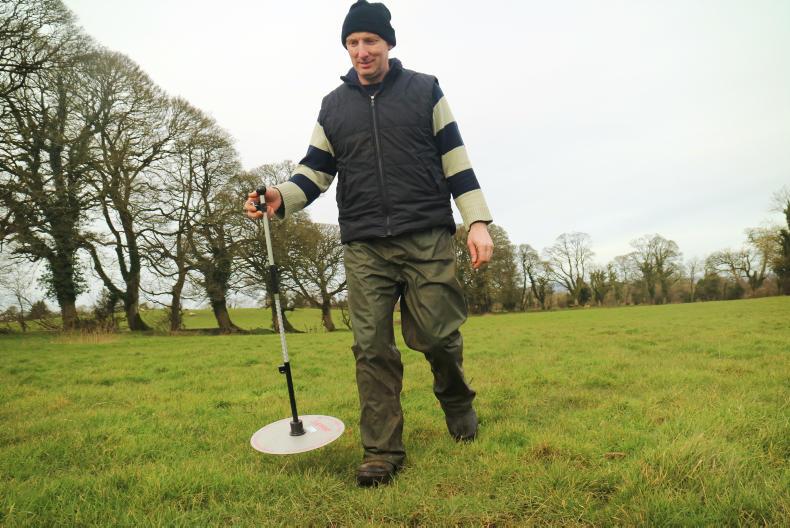
Average farm grass cover at present is 740kg DM/ha (7cm).
Fertility
“Hopefully, I’ll get stock to grass with the dry week we’re promised. I have a couple of calved cows that I bought in which calved ahead of the herd and then some dairy-cross yearlings and my own heifers that can go to grass,” he added.
Targeted applications of slurry and 0:9:25 fertiliser has lifted Robert’s average soil potassium index from 3 to 4 across the whole farm. He is in a healthy position from a soil fertility point of view. Average soil pH on the farm is 6.33 and Robert hopes to go with a maintenance application of lime as soon as weather allows.
Read about Robert's difficult start to calving 2018 and the difference that milk can make in this week's Irish Farmers Journal
This content is available to digital subscribers and loyalty code users only. Sign in to your account, use the code or subscribe to get unlimited access.
The reader loyalty code gives you full access to the site from when you enter it until the following Wednesday at 9pm. Find your unique code on the back page of Irish Country Living every week.
CODE ACCEPTED
You have full access to the site until next Wednesday at 9pm.
CODE NOT VALID
Please try again or contact support.
Longford suckler man Robert Abbott has placed a massive focus on maximising his farm’s grassland and forage potential since joining the BETTER farm programme at the beginning of last year.
Robert made an excellent crop of first cut silage in 2017 (below).
Dry matter (%) - 26.5
pH - 4.8
Ammonia-N (%) - 15
Crude Protein (%) - 15.6
DMD (%) - 76
“Getting silage ground grazed off before an early cutting date is okay in theory, but can be difficult to achieve on heavier soils like mine. My sheep are a big help here, in that they can eat silage ground over the winter. They’re off it by the end of March and that means I can get my fertilisers out and get a good early cut. I’m aiming for 20 May this year,” Robert told me.
Robert’s main 2017 first cut of silage was five digestibility units ahead of the BETTER farm average of 71%. This difference, in energy terms, equates to a meal requirement almost 2kg lower per head daily.
Spring grass
Robert is aiming to calve up on 50 cows in the springtime by the end of his time in the BETTER farm beef programme. Having an adequate supply of grass in the spring is crucial for such a farm set-up.
Robert has made the conscious decision to move his calving spread back slightly to a March-April-based season. In this way, he is giving himself a better chance of being able to get young calves and cows straight to grass and utilising early grass.
“I have shrunk down the area devoted to my sheep for the winter to 11 acres and I ran a strict autumn-closing planner from mid-October,” Robert told me.
Average farm grass cover at present is 740kg DM/ha (7cm).
Fertility
“Hopefully, I’ll get stock to grass with the dry week we’re promised. I have a couple of calved cows that I bought in which calved ahead of the herd and then some dairy-cross yearlings and my own heifers that can go to grass,” he added.
Targeted applications of slurry and 0:9:25 fertiliser has lifted Robert’s average soil potassium index from 3 to 4 across the whole farm. He is in a healthy position from a soil fertility point of view. Average soil pH on the farm is 6.33 and Robert hopes to go with a maintenance application of lime as soon as weather allows.
Read about Robert's difficult start to calving 2018 and the difference that milk can make in this week's Irish Farmers Journal
If you would like to speak to a member of our team, please call us on 01-4199525.
Link sent to your email address
We have sent an email to your address. Please click on the link in this email to reset your password. If you can't find it in your inbox, please check your spam folder. If you can't find the email, please call us on 01-4199525.
ENTER YOUR LOYALTY CODE:
The reader loyalty code gives you full access to the site from when you enter it until the following Wednesday at 9pm. Find your unique code on the back page of Irish Country Living every week.









SHARING OPTIONS