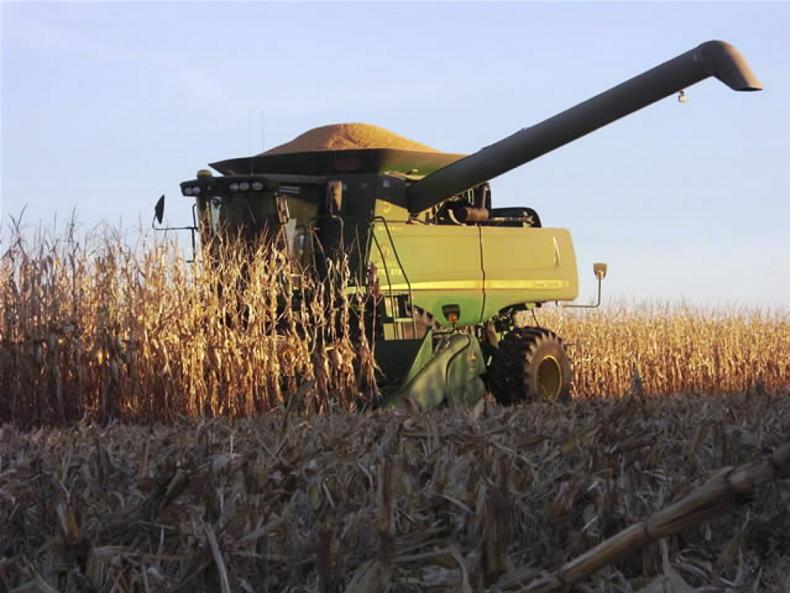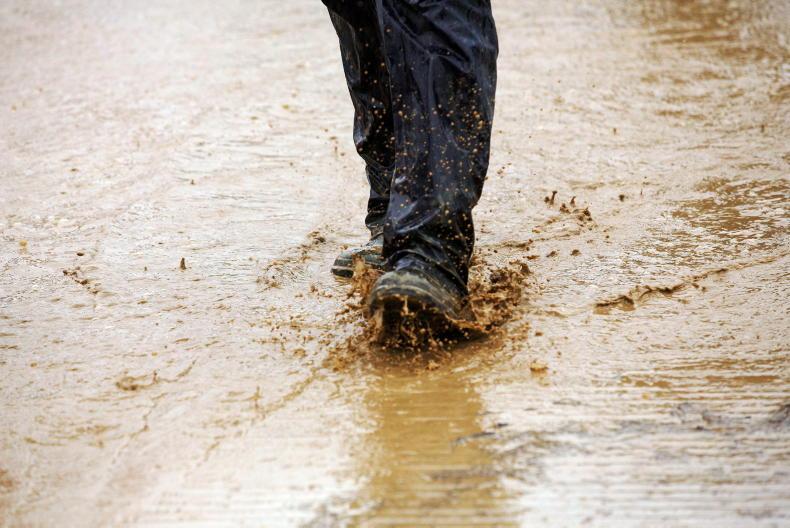
Spare a thought for the Irish grain farmers as they move through a stop-start harvest with rain and sunshine making for a difficult time to plan work in advance and inevitably increasing the risk of crop damage and loss.
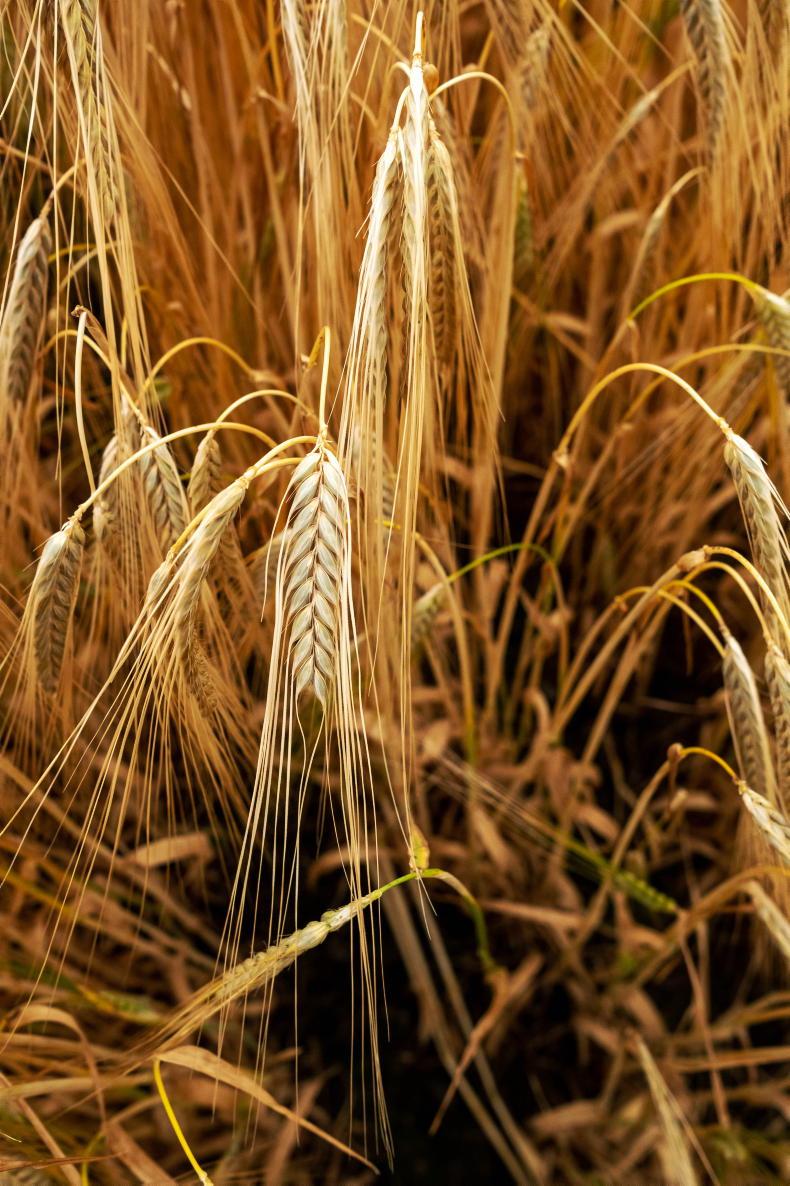
With an estimated less than 50% of winter barley harvested, and less than 10% of winter oats cut, yield loss and ripe heads breaking off will be an issue.
There are not many other sectors in the Irish economy that don’t know the market value of product as they harvest, while incurring all the costs on the journey keeping so many other businesses going through the year.
Like the other commodities, what happens on global markets impacts the value of Irish grain. We were reminded this week that food is a weapon of war and can be used to pressurise allies and others into moving or not as the case may be.
Lorcan Roche Kelly goes into the detail on what the ending of the Black Sea deal means in agribusiness.
At the very least, if nothing else, something like this creates uncertainty in markets, and often that is enough along with a weather event to change planting decisions for the following season rather than take on even more risk with no guaranteed outcome.
At €190/t to €200/t, before bonuses and fertiliser nitrogen purchased at €600/t, the economics of producing grain are not good (see Siobhán Walsh’s grain trends report on page 57). No more than the dairy enterprise, any upside the grain farmers had from last year quickly rebalances in a year like 2023.
Spring feed barley will be produced at a loss in 2023.
So, while gas prices have crashed to €26/MWh from over €200/MWh this time last year the inputs used to grow the current crops were all at 2022 energy prices, which were some of the highest prices we saw since the current war started.