Artificially reared calves don’t have as much immunity to worms as suckler-bred calves, so having a dosing plan is important.
ADVERTISEMENT
Resistance to certain dosing products has increased in recent years and farmers need to be vigilant for any issues on their farms. While routine dosing was the norm over the years on many farms, best practice is now to do a faecal sample prior to dosing to determine whether dosing is required or not.
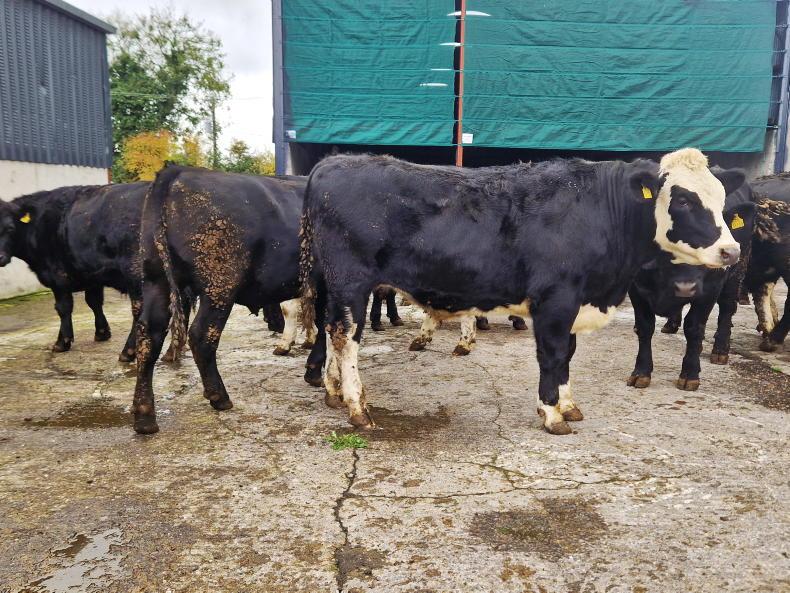
For dairy beef calves, you need to be looking at the first dose being given around eight weeks after turnout. Artificially reared calves don’t have as much immunity to worms as suckler-bred calves, so having a dosing plan is important.
Taking a faecal sample is the best way of determining whether you need to dose or not. Getting a fresh sample is important. Putting calves up in the mornings and letting them walk away is a good way of collecting samples and will make sure that the sample you are taking is fresh.
ADVERTISEMENT
Take five to 15 samples per group to get a representative sample. Samples must reach the lab within 24 hours of taking them. Make sure the samples are placed in sealed containers and then placed in a clear plastic bag for fear of breakage. Take the samples early in the week to avoid them sitting over the weekend in the lab.
When you get results, take veterinary advice on whether dosing is required or not depending on the worm count. You should also discuss with you vet and/or merchant about what product is most appropriate to use.
Finally, if you suspect resistance is occurring on your farm, or that the dosing product you have used isn’t doing the job as specified, you could opt to take another faecal sample for testing seven to 14 days after the dose has been given.
Register for free to read this story and our free stories.
This content is available to digital subscribers and loyalty code users only. Sign in to your account, use the code or subscribe to get unlimited access.
The reader loyalty code gives you full access to the site from when you enter it until the following Wednesday at 9pm. Find your unique code on the back page of Irish Country Living every week.
CODE ACCEPTED
You have full access to the site until next Wednesday at 9pm.
CODE NOT VALID
Please try again or contact support.
Resistance to certain dosing products has increased in recent years and farmers need to be vigilant for any issues on their farms. While routine dosing was the norm over the years on many farms, best practice is now to do a faecal sample prior to dosing to determine whether dosing is required or not.
For dairy beef calves, you need to be looking at the first dose being given around eight weeks after turnout. Artificially reared calves don’t have as much immunity to worms as suckler-bred calves, so having a dosing plan is important.
Taking a faecal sample is the best way of determining whether you need to dose or not. Getting a fresh sample is important. Putting calves up in the mornings and letting them walk away is a good way of collecting samples and will make sure that the sample you are taking is fresh.
Take five to 15 samples per group to get a representative sample. Samples must reach the lab within 24 hours of taking them. Make sure the samples are placed in sealed containers and then placed in a clear plastic bag for fear of breakage. Take the samples early in the week to avoid them sitting over the weekend in the lab.
When you get results, take veterinary advice on whether dosing is required or not depending on the worm count. You should also discuss with you vet and/or merchant about what product is most appropriate to use.
Finally, if you suspect resistance is occurring on your farm, or that the dosing product you have used isn’t doing the job as specified, you could opt to take another faecal sample for testing seven to 14 days after the dose has been given.
If you would like to speak to a member of our team, please call us on 01-4199525.
Link sent to your email address
We have sent an email to your address. Please click on the link in this email to reset your password. If you can't find it in your inbox, please check your spam folder. If you can't find the email, please call us on 01-4199525.
ENTER YOUR LOYALTY CODE:
The reader loyalty code gives you full access to the site from when you enter it until the following Wednesday at 9pm. Find your unique code on the back page of Irish Country Living every week.
SHARING OPTIONS