With the EU – Mercosur trade deal now in operation provisionally, the Mercosur countries may be about to secure another trade deal later this year.
Negotiations between the member countries of Argentina, Brazil, Paraguay and Uruguay on a trade deal with Canada have been ongoing since 2018 but are understood to have picked up pace over recent weeks and a deal could happen before the end of the year.
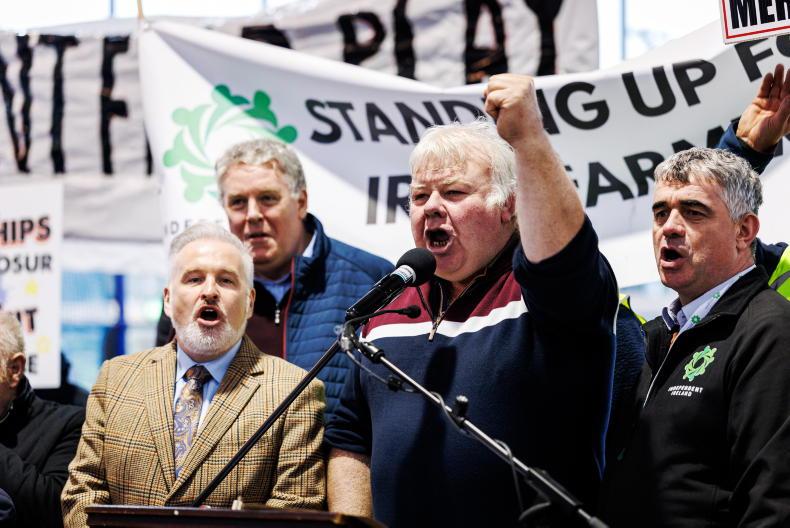
In recent days, the Canadian Cattle Association (CCA) who represent around 60,000 beef producers, have issued a letter to their members and supporters urging them to write to their Member of Parliament and urge them to say NO to Mercosur beef access.
Basis for opposition
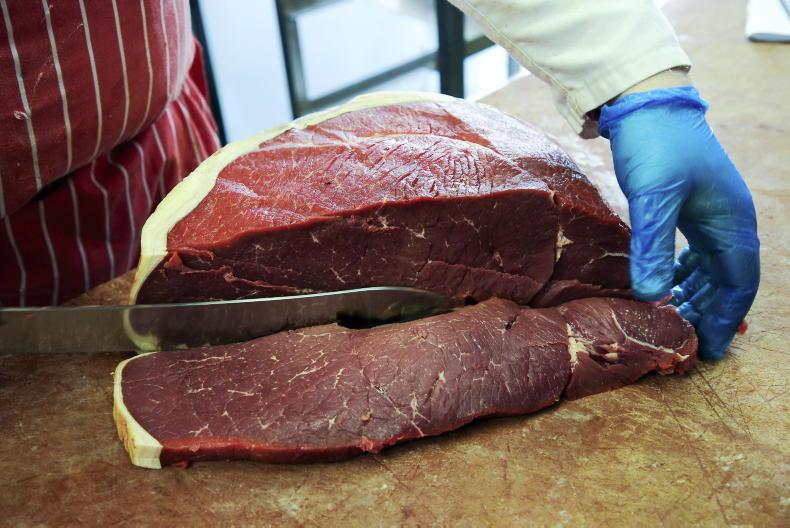
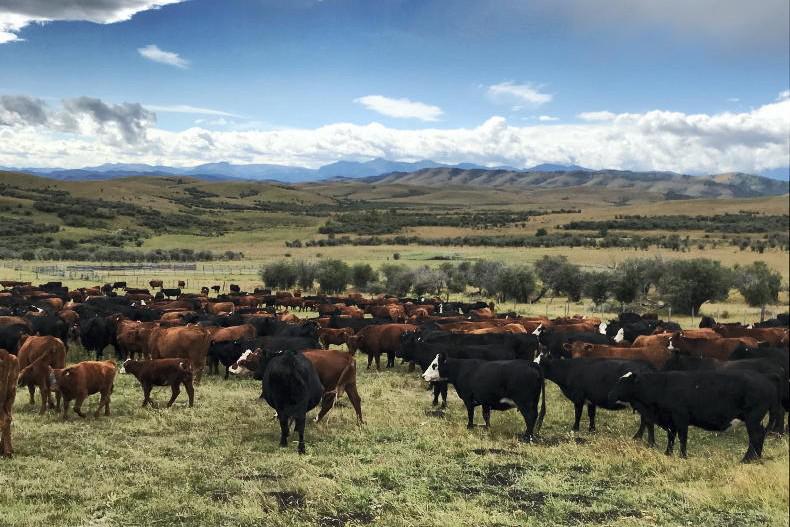
CCA opposition to a Mercosur deal that gives enhanced access for beef to the Canadian market is based on three key elements. They refer to the rapid increase in beef exports from the Mercosur countries, up 238% between 2021 and 2025 and say that “further expanding this access without reciprocity will undermine our domestic production and hinder the rebuilding of the Canadian herd.”
They also say that Mercosur beef is produced under what they describe as “significantly less stringent standards for working conditions, the environment, and animal health,” and that “replacing high-quality Canadian beef with low-cost imports is a loss for our environment and our food security.”
The third basis for their opposition to additional access for Mercosur beef refers to the risk it could pose for trade with the US with which the Canadian beef industry is deeply integrated. The CCA suggests that giving Mercosur “significant new access to our market could be perceived as a "backdoor" to the US market, which could lead to trade measures that might jeopardize our most vital trading relationship.”
Familiar to Irish and EU beef producers
These arguments will be familiar to Irish and EU beef producers. How effective the CCA lobby is against beef access in a Mercosur trade deal will only become apparent if and when a deal is concluded.
The Canadian government’s position is that “an ambitious, comprehensive, and inclusive free trade agreement (FTA) with Mercosur would be a key element of Canada's trade diversification agenda, expanding export markets and offering new opportunities for Canadian exporters and investors.”
In 2024, Canada’s imports from Mercosur countries were worth CA$12.8bn (€8bn) while exports were worth just a quarter of that at CA$3.1bn (€1.93bn). They see a deal as an opportunity to “advance Canada's trade diversification agenda by securing preferential access to Mercosur's highly protected market.”
Beef at risk for wider economic benefit
The Canadian economy is very closely linked with its neighbour the US with whom relations have been strained since President Trump returned to office last year.
Since then, Canada has sought to develop alternative economic relationships and reduce their dependence on the US. The Mercosur countries are a major economy and while they aren’t as integrated as the EU, they are a major trading block with the basis of a common market. The EU had a persuasive argument overall for a trade deal with Mercosur notwithstanding the increased risk it creates for EU beef producers.
No doubt the Canadian government can also make a persuasive case, and it will be interesting to observe if Canadian beef producers have more success than their EU counterparts in mobilising opposition to a deal that gives the Mercosur countries enhanced access to the Canadian market for their beef.
Read more
Mercosur begins with a whimper
May day is Mercosur day
Mercosur deal comes into effect on Friday
With the EU – Mercosur trade deal now in operation provisionally, the Mercosur countries may be about to secure another trade deal later this year.
Negotiations between the member countries of Argentina, Brazil, Paraguay and Uruguay on a trade deal with Canada have been ongoing since 2018 but are understood to have picked up pace over recent weeks and a deal could happen before the end of the year.
In recent days, the Canadian Cattle Association (CCA) who represent around 60,000 beef producers, have issued a letter to their members and supporters urging them to write to their Member of Parliament and urge them to say NO to Mercosur beef access.
Basis for opposition
CCA opposition to a Mercosur deal that gives enhanced access for beef to the Canadian market is based on three key elements. They refer to the rapid increase in beef exports from the Mercosur countries, up 238% between 2021 and 2025 and say that “further expanding this access without reciprocity will undermine our domestic production and hinder the rebuilding of the Canadian herd.”
They also say that Mercosur beef is produced under what they describe as “significantly less stringent standards for working conditions, the environment, and animal health,” and that “replacing high-quality Canadian beef with low-cost imports is a loss for our environment and our food security.”
The third basis for their opposition to additional access for Mercosur beef refers to the risk it could pose for trade with the US with which the Canadian beef industry is deeply integrated. The CCA suggests that giving Mercosur “significant new access to our market could be perceived as a "backdoor" to the US market, which could lead to trade measures that might jeopardize our most vital trading relationship.”
Familiar to Irish and EU beef producers
These arguments will be familiar to Irish and EU beef producers. How effective the CCA lobby is against beef access in a Mercosur trade deal will only become apparent if and when a deal is concluded.
The Canadian government’s position is that “an ambitious, comprehensive, and inclusive free trade agreement (FTA) with Mercosur would be a key element of Canada's trade diversification agenda, expanding export markets and offering new opportunities for Canadian exporters and investors.”
In 2024, Canada’s imports from Mercosur countries were worth CA$12.8bn (€8bn) while exports were worth just a quarter of that at CA$3.1bn (€1.93bn). They see a deal as an opportunity to “advance Canada's trade diversification agenda by securing preferential access to Mercosur's highly protected market.”
Beef at risk for wider economic benefit
The Canadian economy is very closely linked with its neighbour the US with whom relations have been strained since President Trump returned to office last year.
Since then, Canada has sought to develop alternative economic relationships and reduce their dependence on the US. The Mercosur countries are a major economy and while they aren’t as integrated as the EU, they are a major trading block with the basis of a common market. The EU had a persuasive argument overall for a trade deal with Mercosur notwithstanding the increased risk it creates for EU beef producers.
No doubt the Canadian government can also make a persuasive case, and it will be interesting to observe if Canadian beef producers have more success than their EU counterparts in mobilising opposition to a deal that gives the Mercosur countries enhanced access to the Canadian market for their beef.
Read more
Mercosur begins with a whimper
May day is Mercosur day
Mercosur deal comes into effect on Friday
SHARING OPTIONS