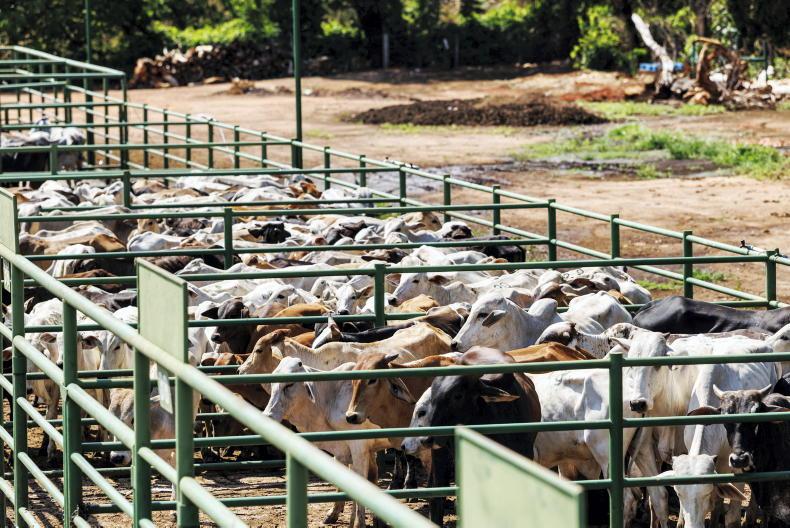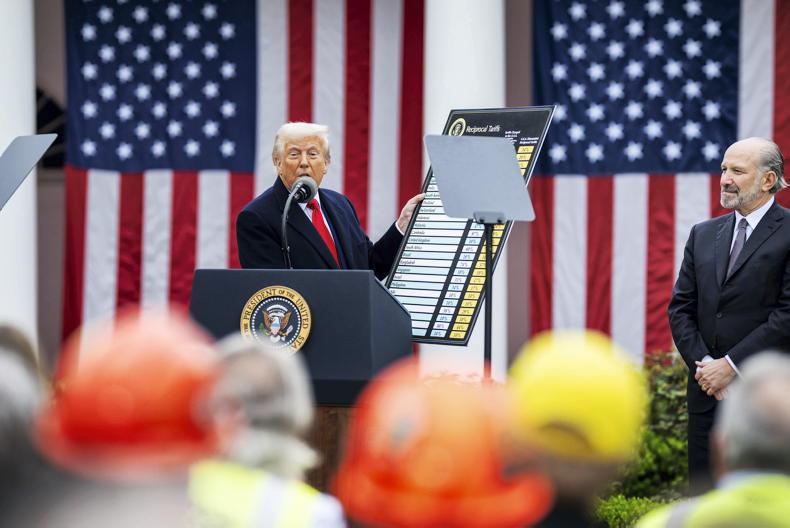
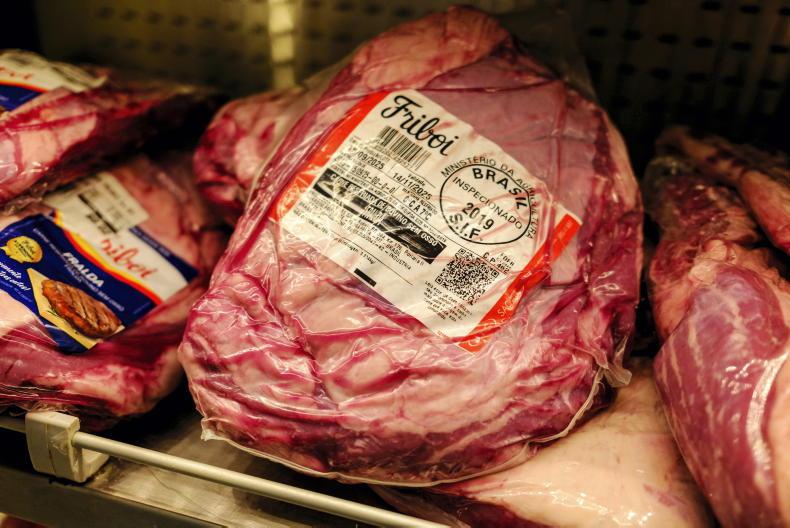
The Trump administration caused panic in the US meat-processing industry a week ago, when they floated the ideal of lifting quotas which limit beef imports - that would have removed the standard 26.4% import tariff on beef entering the country. This would have benefited countries that don’t have either a specific quota agreement of their own, or a small quota. Brazil would have been the biggest beneficiary. Irish beef exports to the US are tiny, but they too would have been beneficiaries of not having to pay the 26.4% tariff if the plan had come into fruition. It didn’t materialise however, following a huge push back by the US industry last Monday.
US Beef and China
The week ended with President Trump heading to China. While the major issues of the moment may be conflict in the Middle East and the US-China relationship in Asia, the major ask from the US beef industry was to get export licenses for US beef factories renewed. Since March last year, China has not been renewing licenses for US factories that had previously been supplying beef to China. There has never been any official explanation for this apparent change in policy, but the general industry belief was that it was linked to the tariff policy on Chinese exports that was introduced just over a year ago. As a result, US beef exports to China, which were over 34,000t in the first two months of last year, had plummeted to 13,600t in the same period this year - with expiry of licenses being the main cause.
There was some confusion around restoration of these licenses on Friday, with the New York Times reporting that they had been renewed, but other news agencies said that this decision was quickly revoked.
If President Trump leaves China with the licenses for US beef exporters restored, it would be a success for the industry. While US beef volumes are at 75-year low and overall export volumes are in decline anyway, having China restored as a customer would still be worthwhile for high-value beef export products.
Foot and mouth disease
China has introduced a 2.7m tonne total import quota for the first time this year and its two largest suppliers, Brazil and Australia, have been filling their share quickly. The expectation is that they will have their limit reached well before the end of the year. This could become an issue in the final quarter of this year, particularly if reports about foot and mouth disease (FMD) spreading in the domestic herd prove to be correct. Should China’s own domestic beef production be disrupted in a significant way, it would have to turn to imports in order to meet consumer demand - as was the case at the beginning of this decade with pork, following the African Swine Fever (ASF) outbreak.
In such a scenario, the option of more US beef being available would be attractive to China’s beef importers. The US has a 164,000t share of China’s beef import quota, which even with reduced beef supply in the US would be utilised if US exporters licenses were restored.
Not just beef
While US beef exports to China have been disrupted, the problem for US soya exports to China is even worse, as the 1.5m tonnes exported in the first two months of 2026 are only a fraction of the 9.1m tonnes exported in the same two months last year. US farmers will be hoping this weekend that President Trump has achieved a reset in trade relations with such a major export market.
Read more
Trump administration backs down on beef import plan
FMD in China is a haunting echo of the African swine fever crisis
USDA forecasts sharp drop in China’s beef imports
The Trump administration caused panic in the US meat-processing industry a week ago, when they floated the ideal of lifting quotas which limit beef imports - that would have removed the standard 26.4% import tariff on beef entering the country. This would have benefited countries that don’t have either a specific quota agreement of their own, or a small quota. Brazil would have been the biggest beneficiary. Irish beef exports to the US are tiny, but they too would have been beneficiaries of not having to pay the 26.4% tariff if the plan had come into fruition. It didn’t materialise however, following a huge push back by the US industry last Monday.
US Beef and China
The week ended with President Trump heading to China. While the major issues of the moment may be conflict in the Middle East and the US-China relationship in Asia, the major ask from the US beef industry was to get export licenses for US beef factories renewed. Since March last year, China has not been renewing licenses for US factories that had previously been supplying beef to China. There has never been any official explanation for this apparent change in policy, but the general industry belief was that it was linked to the tariff policy on Chinese exports that was introduced just over a year ago. As a result, US beef exports to China, which were over 34,000t in the first two months of last year, had plummeted to 13,600t in the same period this year - with expiry of licenses being the main cause.
There was some confusion around restoration of these licenses on Friday, with the New York Times reporting that they had been renewed, but other news agencies said that this decision was quickly revoked.
If President Trump leaves China with the licenses for US beef exporters restored, it would be a success for the industry. While US beef volumes are at 75-year low and overall export volumes are in decline anyway, having China restored as a customer would still be worthwhile for high-value beef export products.
Foot and mouth disease
China has introduced a 2.7m tonne total import quota for the first time this year and its two largest suppliers, Brazil and Australia, have been filling their share quickly. The expectation is that they will have their limit reached well before the end of the year. This could become an issue in the final quarter of this year, particularly if reports about foot and mouth disease (FMD) spreading in the domestic herd prove to be correct. Should China’s own domestic beef production be disrupted in a significant way, it would have to turn to imports in order to meet consumer demand - as was the case at the beginning of this decade with pork, following the African Swine Fever (ASF) outbreak.
In such a scenario, the option of more US beef being available would be attractive to China’s beef importers. The US has a 164,000t share of China’s beef import quota, which even with reduced beef supply in the US would be utilised if US exporters licenses were restored.
Not just beef
While US beef exports to China have been disrupted, the problem for US soya exports to China is even worse, as the 1.5m tonnes exported in the first two months of 2026 are only a fraction of the 9.1m tonnes exported in the same two months last year. US farmers will be hoping this weekend that President Trump has achieved a reset in trade relations with such a major export market.
Read more
Trump administration backs down on beef import plan
FMD in China is a haunting echo of the African swine fever crisis
USDA forecasts sharp drop in China’s beef imports
SHARING OPTIONS