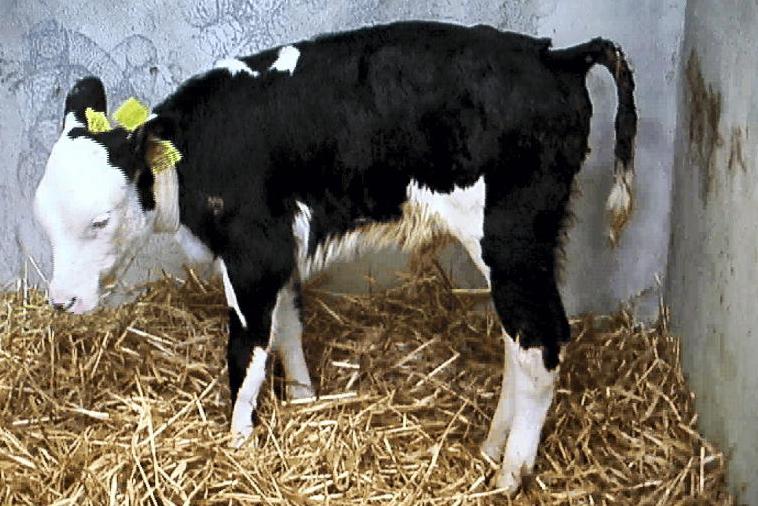
Coccidia are single-celled parasites which are common in the farm environment. These parasites damage the gut wall and if calves are infected with large numbers, severe damage resulting in scours, straining and bloody diarrhoea occurs. Calves exposed to small numbers of the parasites will develop immunity without developing the disease or experiencing major production losses.
Coccidiosis generally affects three-week to nine-month-old calves. Calves are infected by ingesting coccidial oocysts (similar to eggs) and this can occur while housed or at grass. In the calf, the parasites multiply and damage the gut wall. Thousands of new parasites are passed in the dung, contaminating the environment and infecting other calves. The oocysts are hardy, so houses and fields can remain contaminated for a year or more. Stressors such as turnout, weaning and poor weather may also trigger a disease outbreak.
Coccidia can’t pass from species from species
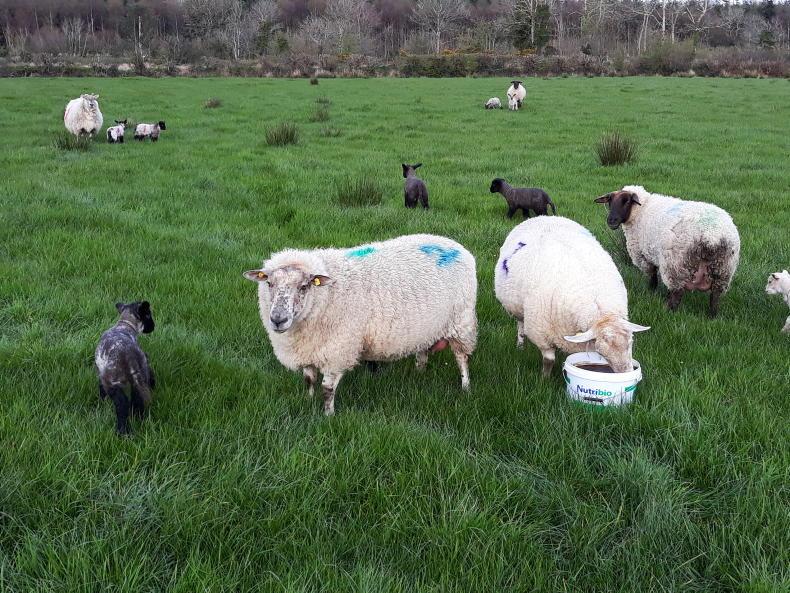
Coccidia are host specific, ie coccidia from one animal species cannot affect another species. This applies even to animals as closely related as sheep and goats. Therefore, coccidia infecting birds will not infect cattle.
A diagnosis of coccidiosis should be made by observing clinical signs and providing dung samples to your local vet or laboratory.
Diarrhoea usually develops at the end of the parasitic life cycle, which means that severe damage to the intestines has already occurred and treatment at this stage is often unrewarding. On farms with a known problem, drugs may be used prophylactically (preventatively) in the at-risk period to prevent severe disease developing.
Other measures to prevent the buildup of coccidial oocysts
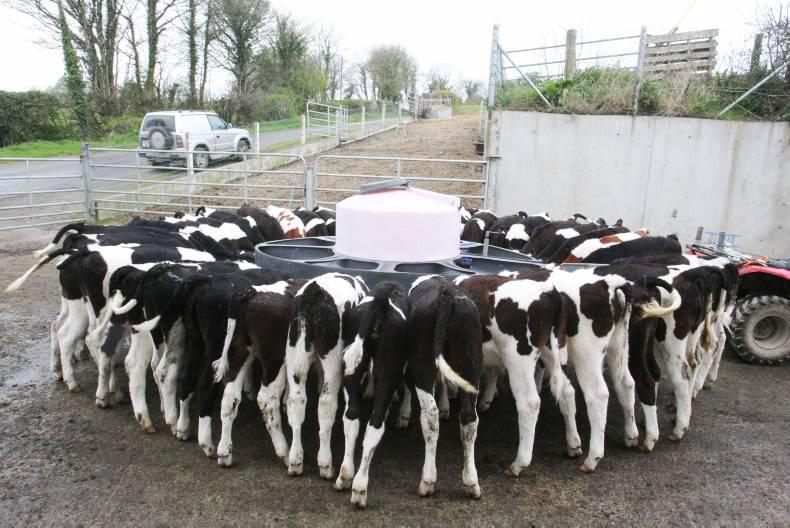
Keep calf housing clean.Use effective disinfectants.Provide clean dry bedding.Raise troughs off the ground and clean regularly.Turn calves out on to pasture not grazed by calves for over a year.*This article was originally published by Animal Health Ireland as part of its April 2016 bulletin. To read more, click here.
Read more
Peak risk of calf scour
Fertility in focus as breeding approaches
Coccidia are single-celled parasites which are common in the farm environment. These parasites damage the gut wall and if calves are infected with large numbers, severe damage resulting in scours, straining and bloody diarrhoea occurs. Calves exposed to small numbers of the parasites will develop immunity without developing the disease or experiencing major production losses.
Coccidiosis generally affects three-week to nine-month-old calves. Calves are infected by ingesting coccidial oocysts (similar to eggs) and this can occur while housed or at grass. In the calf, the parasites multiply and damage the gut wall. Thousands of new parasites are passed in the dung, contaminating the environment and infecting other calves. The oocysts are hardy, so houses and fields can remain contaminated for a year or more. Stressors such as turnout, weaning and poor weather may also trigger a disease outbreak.
Coccidia can’t pass from species from species
Coccidia are host specific, ie coccidia from one animal species cannot affect another species. This applies even to animals as closely related as sheep and goats. Therefore, coccidia infecting birds will not infect cattle.
A diagnosis of coccidiosis should be made by observing clinical signs and providing dung samples to your local vet or laboratory.
Diarrhoea usually develops at the end of the parasitic life cycle, which means that severe damage to the intestines has already occurred and treatment at this stage is often unrewarding. On farms with a known problem, drugs may be used prophylactically (preventatively) in the at-risk period to prevent severe disease developing.
Other measures to prevent the buildup of coccidial oocysts
Keep calf housing clean.Use effective disinfectants.Provide clean dry bedding.Raise troughs off the ground and clean regularly.Turn calves out on to pasture not grazed by calves for over a year.*This article was originally published by Animal Health Ireland as part of its April 2016 bulletin. To read more, click here.
Read more
Peak risk of calf scour
Fertility in focus as breeding approaches





SHARING OPTIONS