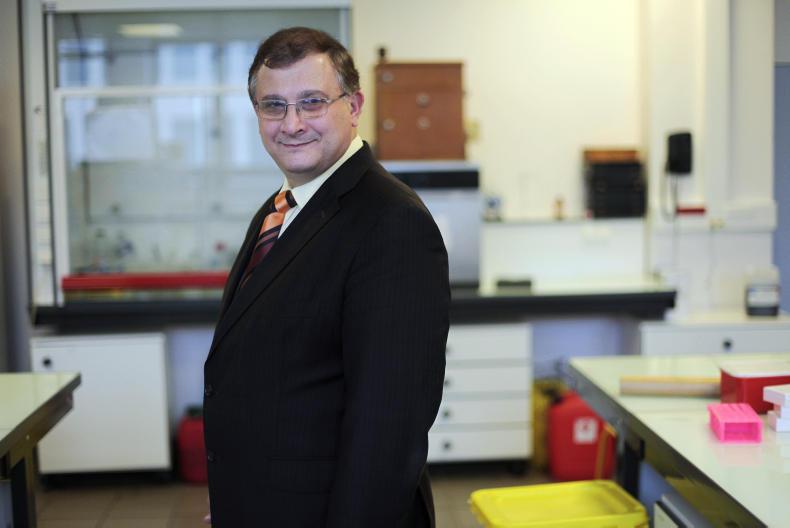
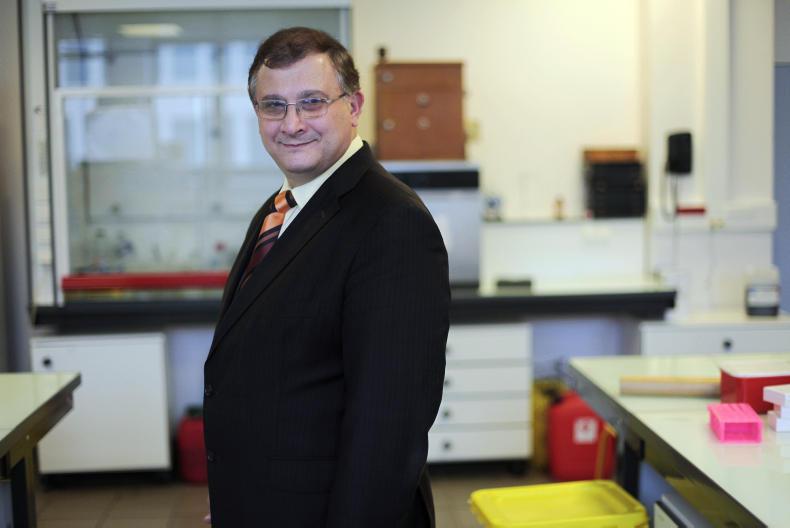
Gilles-Eric Seralini, professor of molecular biology at Caen University, France. \ Thomas Jouanneau
ADVERTISEMENT
Gilles-Eric Seralini, a French molecular biology university professor, is among the speakers at next week’s Taste of West Cork Food Festival, alongside Teagasc experts and local cookery guru Darina Allen.
Seralini may not be a household name in Ireland, but he contributed to making France an anti-Monsanto bastion with his 2012 study concluding that rats ingesting the firm’s genetically modified NK603 maize and/or water tainted with glyphosate-based Roundup herbicide “died two to three times more” and had more tumours than others.
Amid scientific outcry, the journal Food and Chemical Toxicology retracted the article after reviewing the number of rats used in the study, having found that “no definitive conclusions can be reached with this small sample size regarding the role of either NK603 or glyphosate in regards to overall mortality or tumour incidence”.
ADVERTISEMENT
Defiant Seralini only republished the article in another journal, arguing that its retraction was the result of “censorship” and “conflicts of interest” on the part of reviewers.
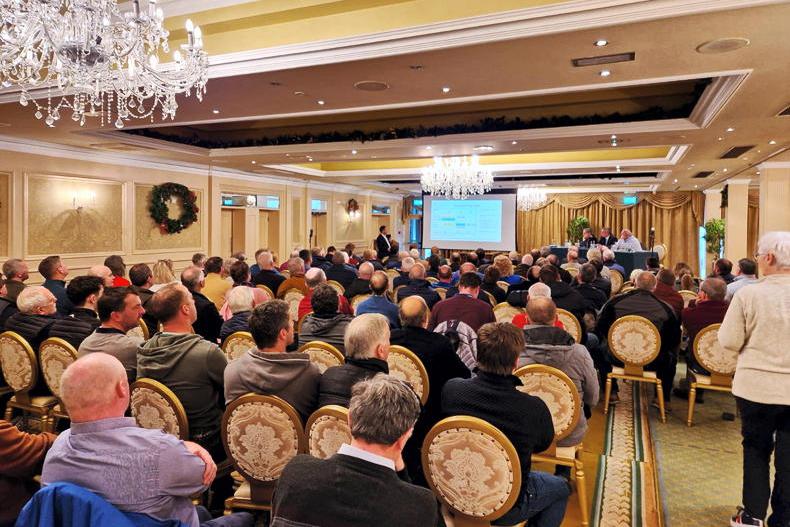
The Skibbereen event promises to feature lively debates.
Register for free to read this story and our free stories.
This content is available to digital subscribers and loyalty code users only. Sign in to your account, use the code or subscribe to get unlimited access.
The reader loyalty code gives you full access to the site from when you enter it until the following Wednesday at 9pm. Find your unique code on the back page of Irish Country Living every week.
CODE ACCEPTED
You have full access to the site until next Wednesday at 9pm.
CODE NOT VALID
Please try again or contact support.
Gilles-Eric Seralini, a French molecular biology university professor, is among the speakers at next week’s Taste of West Cork Food Festival, alongside Teagasc experts and local cookery guru Darina Allen.
Seralini may not be a household name in Ireland, but he contributed to making France an anti-Monsanto bastion with his 2012 study concluding that rats ingesting the firm’s genetically modified NK603 maize and/or water tainted with glyphosate-based Roundup herbicide “died two to three times more” and had more tumours than others.
Amid scientific outcry, the journal Food and Chemical Toxicology retracted the article after reviewing the number of rats used in the study, having found that “no definitive conclusions can be reached with this small sample size regarding the role of either NK603 or glyphosate in regards to overall mortality or tumour incidence”.
Defiant Seralini only republished the article in another journal, arguing that its retraction was the result of “censorship” and “conflicts of interest” on the part of reviewers.
The Skibbereen event promises to feature lively debates.
If you would like to speak to a member of our team, please call us on 01-4199525.
Link sent to your email address
We have sent an email to your address. Please click on the link in this email to reset your password. If you can't find it in your inbox, please check your spam folder. If you can't find the email, please call us on 01-4199525.
ENTER YOUR LOYALTY CODE:
The reader loyalty code gives you full access to the site from when you enter it until the following Wednesday at 9pm. Find your unique code on the back page of Irish Country Living every week.








SHARING OPTIONS