


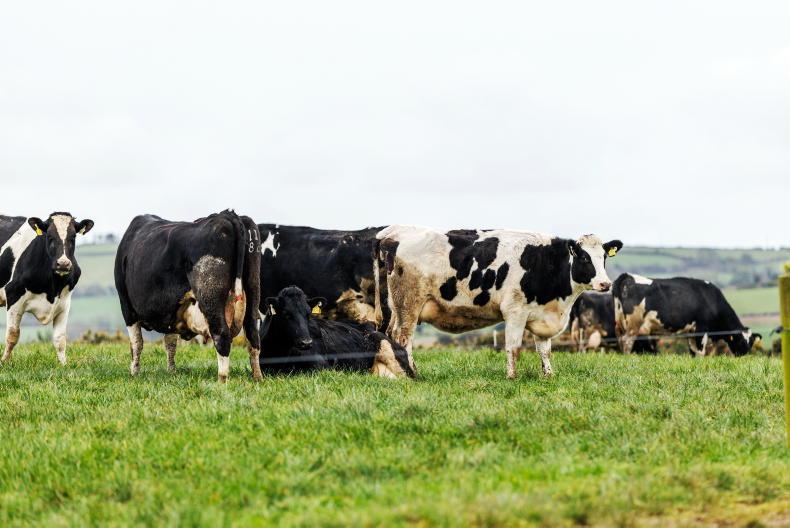
Grazing: Ground conditions are getting messy in most places. The situation is not helped where silage is being fed to extend what grass is available. It is at these times that simple, appropriately stocked farms come into their own. How much less work would be involved if cows could eat just grass and meal? Clean outs would definitely be better and probably less damage would occur too as cows would be more focused on grazing and spend less time hanging around gaps or walking around the field.
It’s easier to achieve this when stocking rate is matched to the growth ability of the farm. One of the farmers Grassland Farmer of the Year finalists reduced her stocking rate and made more profit, plus the farm is easier to run. It’s easy to run a high stocking rate during the summer, but workload and costs all rise at the shoulders, particularly in challenging weather.
At this stage, 12-hour breaks are essential everywhere and on-off grazing is essential on heavier farms. If silage has to be fed, consider doing it in chunks, keeping them in for a few days if the forecast is bad and keeping them out fulltime without silage if the weather is good. I say this because it’s hard to get a good residual when silage is being fed. Some farmers are housing a portion of the herd full-time with the rest out fulltime. It takes pressure off gaps and there are fewer moving parts than feeding some silage to all cows.
Drying off: Now is the time to think about drying off. You should be booking in the final milk recording of the year soon. For those considering selective dry cow therapy, it’s a must. Even farmers who haven’t milk recorded during the year should consider doing one to get information on SCC and milk quality.
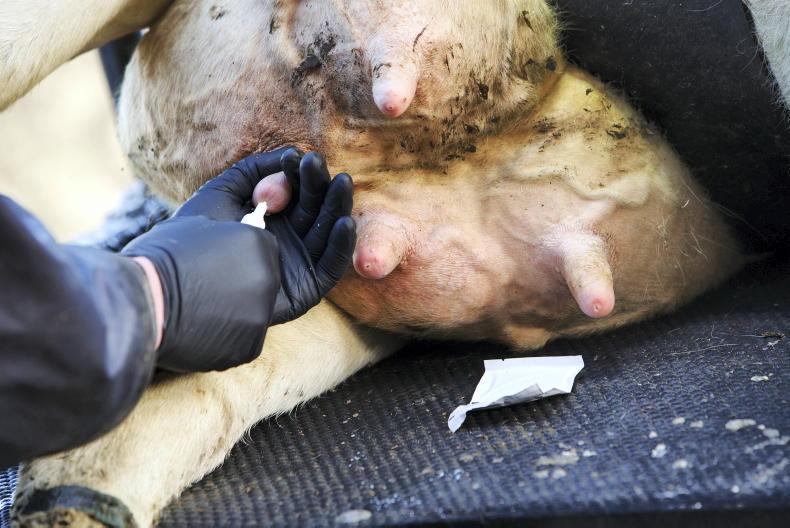
Use the results from this recording to decide on what dry cow tube to use this winter. Firstly, ignore cows that have been given antibiotics either as an injection or mastitis tube in the last four weeks. Next, identify the eight or 10 highest-SCC cows and use the CMT test to identify the high quarters. Take a sterile sample from this quarter and take samples from any cow with clots before she is treated. Send all of these samples away for a culture and sensitivity test to the co-op milk lab, the results of which will determine which dry cow tube will be most suitable for your herd.
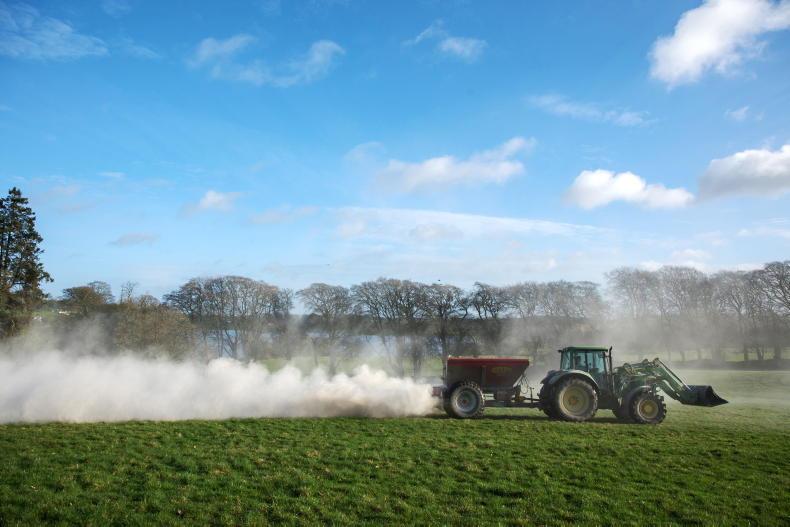
Soil fertility: The forecast for the next few days is for mostly dry weather. It’s an opportunity to get lime and potash spread on fields low in pH and potassium. It’s an ideal time to spread on fields that are closed for the winter. Don’t overdo either nutrient, even if soil samples show a big deficit. The maximum application of lime on grassland is 2t/acre. The absolute maximum for potash is 100 units/acre in one go – and that is for index 1 ground. If the soil sample results recommend more potash than this, split it into a number of smaller applications over the course of the year. There is no issue spreading lime and potash together and there is no issue spreading lime a week or so after spreading slurry.




SHARING OPTIONS