


The mood among farmers in Screggan this week was excellent. Dairy farmers, despite the Dairygold slash action this week, will have very good margins in 2025.
Suckler farmers are having an exceptional 2025 and it will also go down as a good year for sheep farmers. The farmers in need of immediate assistance are those in tillage.
There are a number of competitive disadvantages impacting Irish tillage farmers right now. The importation of fertiliser into the EU from Russia is banned.
The reality is grain grown in Russia is produced using fertiliser that is approximately half the cost of what EU farmers must pay.
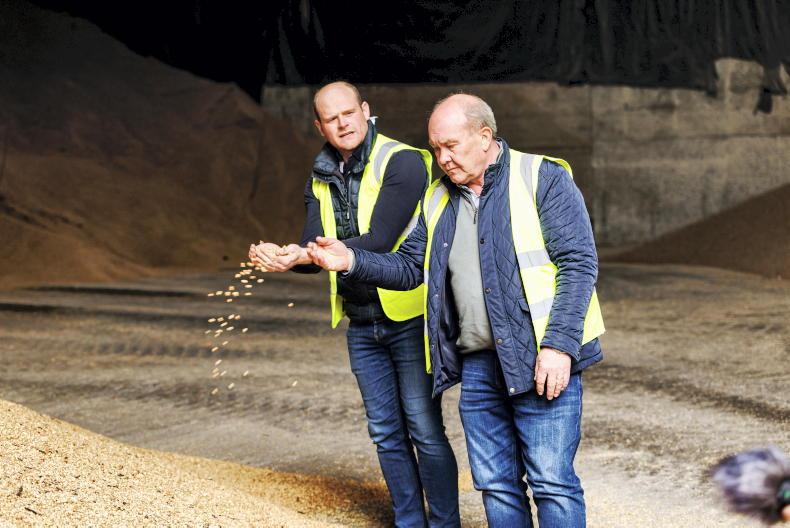
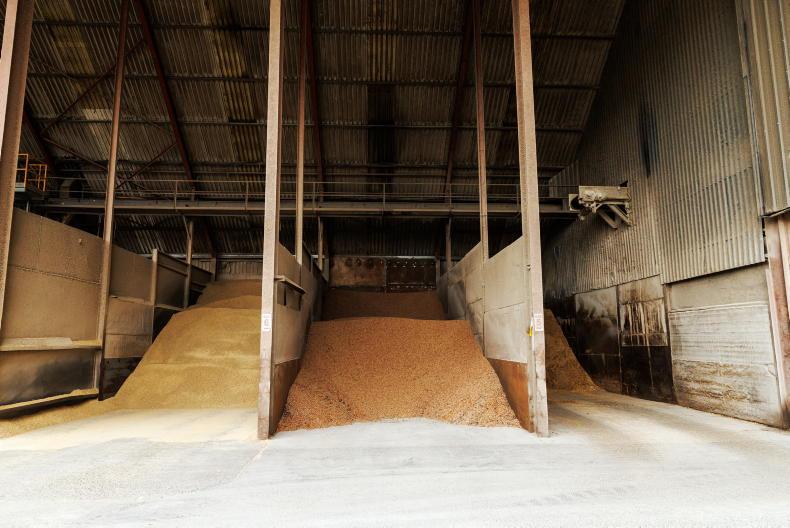
Secondly, grain farmers have no choice but to sit back and watch while oats produced on Irish farms are piled high in storage. Meanwhile, boat-loads of feed from sources unknown, using unknown protective chemicals, are shipped into Ireland every day.
At the IFA tillage crisis meeting in Naas last Friday night, Minister Heydon was at pains to point out that we are in the EU and free trade and movement is an integral part of the EU.
He also mentioned the support that the tillage sector already gets – BISS payments plus specialist payments such as protein aid, etc. He wouldn’t commit to pre-election manifesto promises of €60m/year for the tillage sector and kicked that demand to the early October budget.
We know member states have flexibility to inject national cash when a sector of industry is under severe financial viability pressure. There is precedent on the suckler and sheep side to put nationally funded schemes in place.
Options
The Department and ministers also have options and choices on where money is spent. We are spending, or at least allocating €250m of funding into the organic sector over five years.
We see little or no organic price premium for produce in Ireland or the EU. It’s taxpayers’ money and we have to at least ask is the spend going in the right direction?
The forestry sector is also allocated funds. We see limited forestry planting, as farmers recognise premiums for 15 years are only part life premiums.
The margin pressure in tillage is real, as Siobhan Walsh details on pages 8, 42, 43. In 2024, almost 50% of tillage farmers made a loss. At current prices, 2025 won’t be any better.
This isn’t a flash-in-the-pan. For the last three years, the margin pressure has been real.
Yes some of the margin pressure has come from some exceptionally bad weather at planting and harvesting.
Nevertheless, we can’t expect the tillage farmers of Ireland to shoulder all the margin risk and stay in business.
There must be an opportunity here for the industry to underpin premiums that are market-based at the very least. Last Friday night, we heard that the carbon footprint of Irish grain is 50% less than that of imported grain.
Farmer after farmer talked about tillage farmers in other countries that are allowed to use genetically modified crops, which need less inputs from better-bred varieties.
The Irish farmers are being left behind. More of the tillage farmers talked about farmers in other countries using products that are banned outright in the EU. Grain from other countries is coming into the EU, into Ireland and the consumer is left in the dark.
Significant test
Ahead of the general election last November, Martin Heydon and Fine Gael’s election manifesto stated the tillage sector needed at least €60m per year through additional permanent measures.
In the Irish Farmers Journal’s live election debate on 14 November last year, Martin Heydon said: “What our tillage sector needs is a tillage incentive scheme with certainty over five years….” Minister Heydon must now follow through.
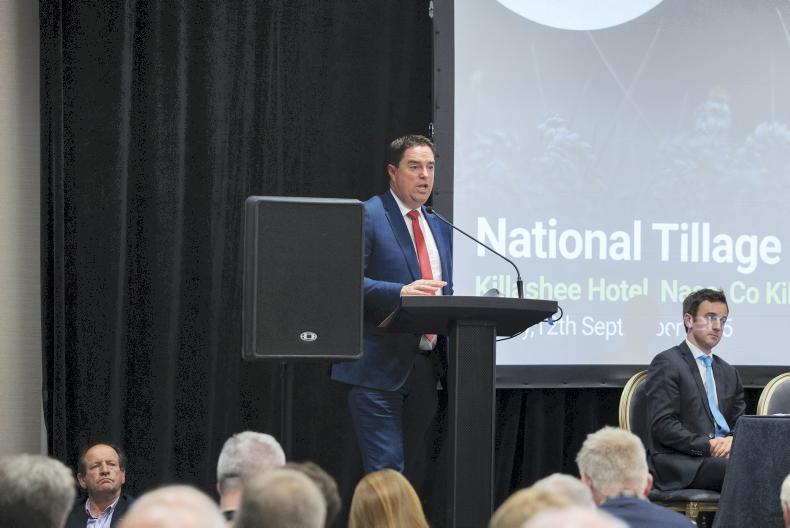
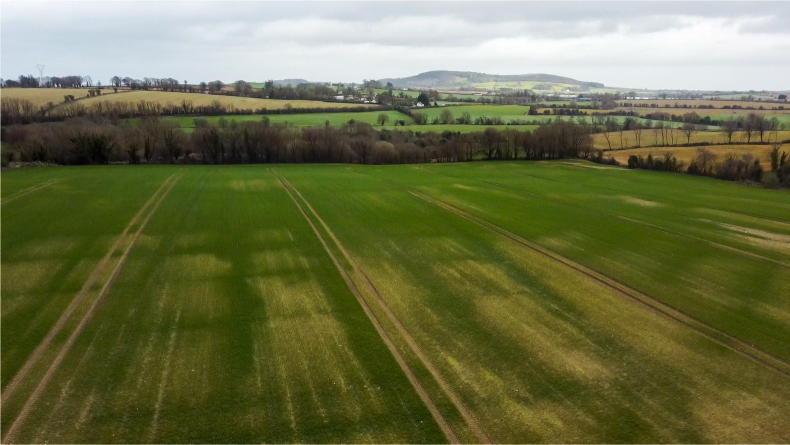
Tillage farmers came from far and wide to the IFA tillage crisis meeting last Friday night. The meeting crystalised the scale of the problem.
The sector is at breaking point. Many farmers on Friday night used the analogy of the minister driving a car with a bad gearbox. If the gearbox is not fixed soon, the hectares in the tillage sector will be in freefall.


SHARING OPTIONS