A growing number of livestock farmers are rehousing cattle as ground conditions continue to deteriorate.
Hopefully, the weather will turn for the better and enable cattle to return to grass before the winter housing period begins in earnest.
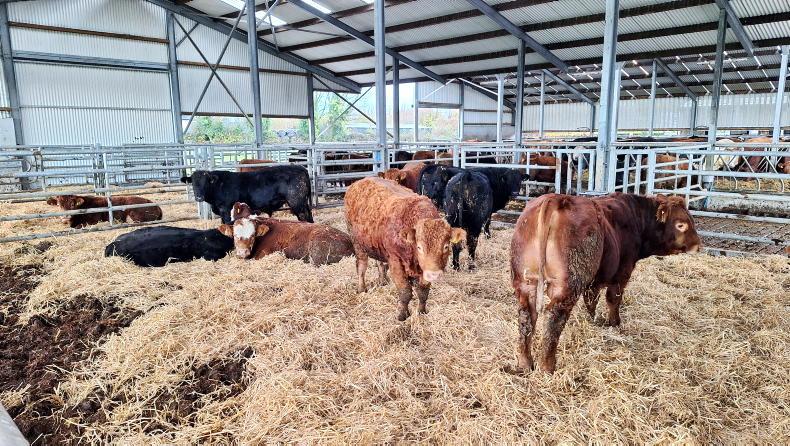
Housing cattle in mid-summer takes careful management to avoid problems such as pneumonia. Outlined are five tips to temporarily housing cattle.
1. House cattle in small batches over a few days
Housing big numbers of cattle on the same day is a recipe for disaster. Animals will be under huge stress from the change in diet and environment.
Stressed cattle will be immuno-suppressed, leaving them extremely vulnerable to respiratory problems, mainly pneumonia.
Where possible, house cattle in small groups over a few days, making use of those windows when cattle are dry.
By spreading housing over several days, it is easier to watch small groups of animals for early signs of pneumonia, rather than a whole herd.
2. Prioritise stores and finishing cattle
Target store cattle and finishing animals for housing first. Follow this with autumn-calving cows on the point of calving.
Leave spring-calving cows in the middle of breeding at grass.
These animals should be the final group for housing, where applicable. Housing mid-breeding will knock cow fertility.
3. Offer meals and good silage post-housing
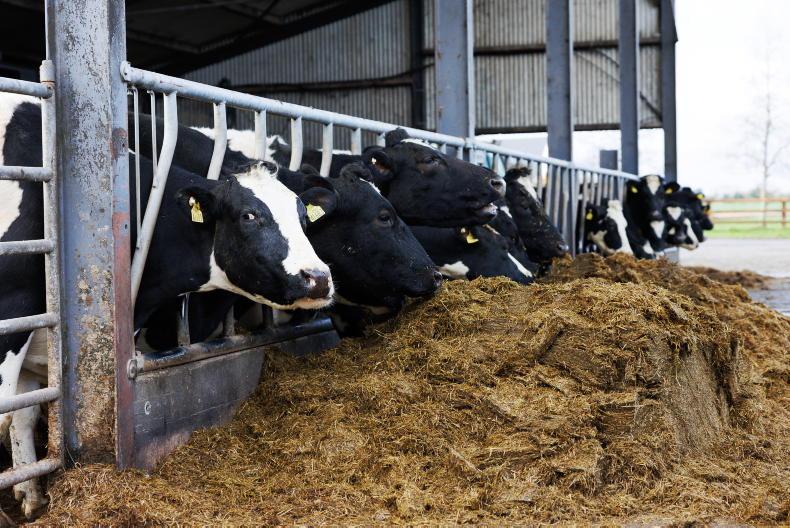
Once housed, offering cattle meal will have two advantages. Firstly, it will maintain weight gain in finishing cattle and calves destined for sale this autumn, as well as milk production in cows.
The other advantage is meal will show up calves which are slow to come forward and eat. These animals may be in the early stages of pneumonia, allowing early intervention.
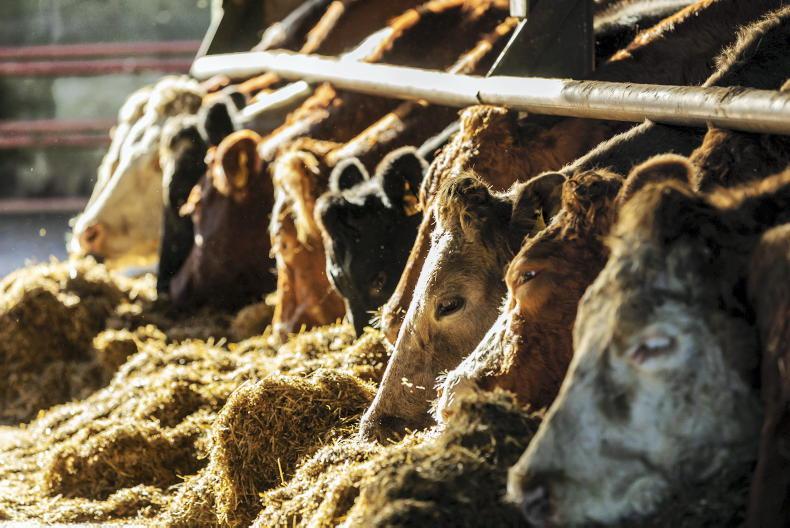
Feed good-quality, high-dry matter silage to help transition animals from a fresh grass diet, again limiting any check in weight gain or milk production.
4. Calf creep management
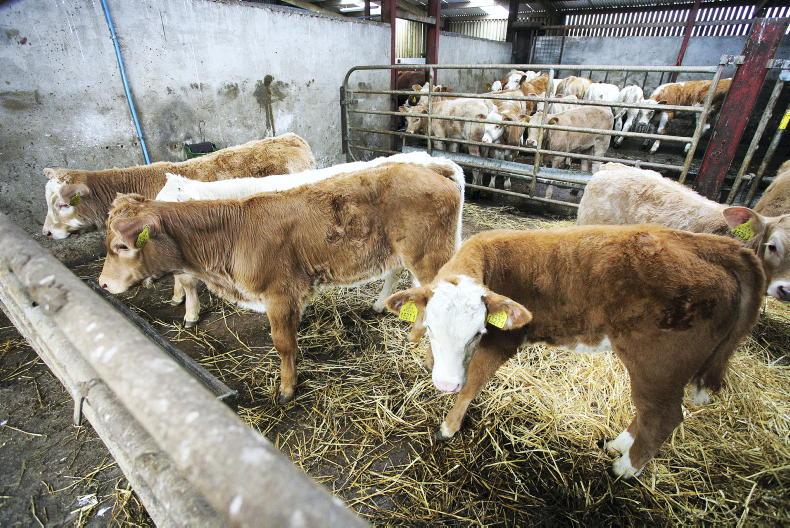
When housing cows and calves, providing a creep area is essential. If there is not adequate creep space, can temporary areas be set up at one end of the shed on a feed passage?
Alternatively, is it possible to make use of other sheds on farm, such as handling pens or empty silos?
5. Air flow
Keeping air flowing through sheds is crucial when housing mid-summer.
Leave shed doors open, avoid parking machinery in passageways that will disrupt airflow and, if necessary, remove some side sheeting.
Again, making use of handling pens or other sheds to temporarily house animals will reduce stocking density and the build-up of stale air indoors.
Even standing cattle outside in handling pens during the day when temperatures are at their peak will reduce stocking rates and reduce the risk of respiratory problems.
Read more
IBR testing included in new suckler scheme
Beef Management: grazing conditions and €50/cow new beef scheme
A growing number of livestock farmers are rehousing cattle as ground conditions continue to deteriorate.
Hopefully, the weather will turn for the better and enable cattle to return to grass before the winter housing period begins in earnest.
Housing cattle in mid-summer takes careful management to avoid problems such as pneumonia. Outlined are five tips to temporarily housing cattle.
1. House cattle in small batches over a few days
Housing big numbers of cattle on the same day is a recipe for disaster. Animals will be under huge stress from the change in diet and environment.
Stressed cattle will be immuno-suppressed, leaving them extremely vulnerable to respiratory problems, mainly pneumonia.
Where possible, house cattle in small groups over a few days, making use of those windows when cattle are dry.
By spreading housing over several days, it is easier to watch small groups of animals for early signs of pneumonia, rather than a whole herd.
2. Prioritise stores and finishing cattle
Target store cattle and finishing animals for housing first. Follow this with autumn-calving cows on the point of calving.
Leave spring-calving cows in the middle of breeding at grass.
These animals should be the final group for housing, where applicable. Housing mid-breeding will knock cow fertility.
3. Offer meals and good silage post-housing
Once housed, offering cattle meal will have two advantages. Firstly, it will maintain weight gain in finishing cattle and calves destined for sale this autumn, as well as milk production in cows.
The other advantage is meal will show up calves which are slow to come forward and eat. These animals may be in the early stages of pneumonia, allowing early intervention.
Feed good-quality, high-dry matter silage to help transition animals from a fresh grass diet, again limiting any check in weight gain or milk production.
4. Calf creep management
When housing cows and calves, providing a creep area is essential. If there is not adequate creep space, can temporary areas be set up at one end of the shed on a feed passage?
Alternatively, is it possible to make use of other sheds on farm, such as handling pens or empty silos?
5. Air flow
Keeping air flowing through sheds is crucial when housing mid-summer.
Leave shed doors open, avoid parking machinery in passageways that will disrupt airflow and, if necessary, remove some side sheeting.
Again, making use of handling pens or other sheds to temporarily house animals will reduce stocking density and the build-up of stale air indoors.
Even standing cattle outside in handling pens during the day when temperatures are at their peak will reduce stocking rates and reduce the risk of respiratory problems.
Read more
IBR testing included in new suckler scheme
Beef Management: grazing conditions and €50/cow new beef scheme







SHARING OPTIONS