




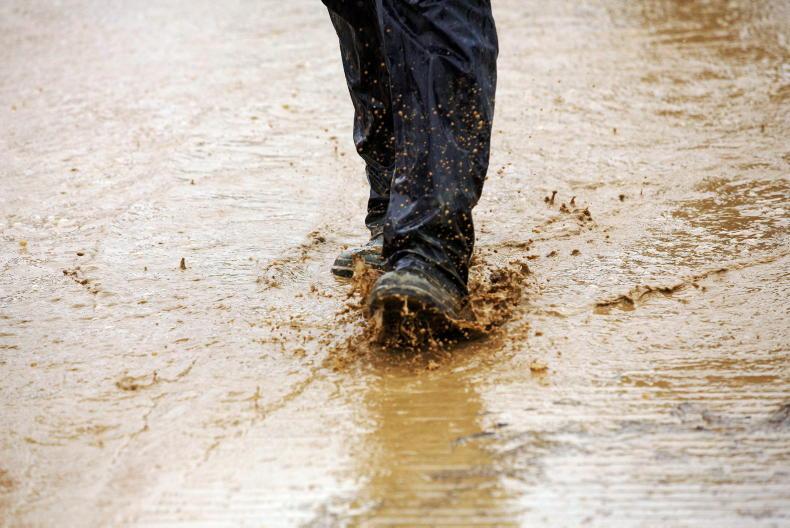
It was when Met Éireann came out and declared the March that has just gone by as the wettest March on record that we understood why fields that usually take tractors easily suddenly had areas that it was impossible to get through.
We have never had this problem at this time of year, and different fields and areas of land are going to need different treatment.
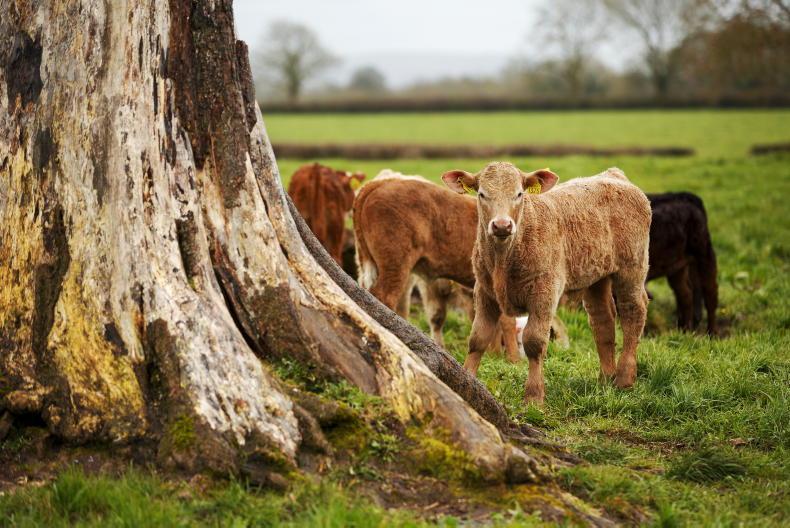
The easiest is grazing the light cattle by day on the higher dry land, but the rest is going to need some time to dry out – how much time I don’t know.
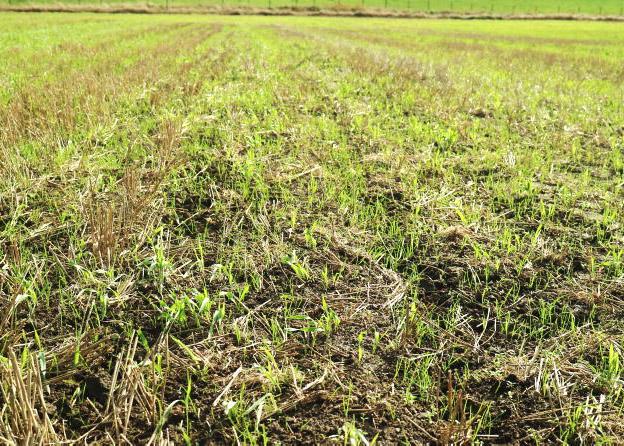
We still have to get the beans in. Rather than ploughing and bringing up what will inevitably be damp, sticky soil, we will try and cultivate the top few inches and sow them into what will hopefully be reasonably dry soil.
Again I am not sure how long it will take to have soil in workable condition. We face the same problem in getting out fertiliser on the land intended for first cut silage.
The high dry land is fine, but I have one big field of what in England would be called reclaimed fen. It has a pH of over 7.5 and we intensively drained it some years ago. In wet weather, it’s very fragile and marks easily, so we use it for silage and let sheep in to clean up the aftergrass in the autumn.
Usually there is no problem with that system, but again we have to wait and see how quickly the drains work and we are able to get the fertiliser out for first-cut silage. After all, time is moving on.
Oats
We have also to get the growth regulator out on the gluten free oats as soon as possible.
If oats lodges, it is a real problem as we found out to our cost a few years ago, so there is an urgency in getting the job done.
Meanwhile, we still have done nothing about completing our area aid and eco payment applications. I note the date this year is extended out to 29 May, which gives an extra breathing space, but there is no point in leaving it to the last minute – especially if we discover that we need some help with what is the first application under the new CAP.



SHARING OPTIONS