



It is estimated that the area of oilseed rape has increased significantly this season, with an estimated 20,000ha planted.
Almost 15,800ha of winter and spring oilseed rape were planted in 2022.
Some of this will be growers expanding area, but there are also a lot of new growers out there at present, whether they started growing the crop in 2022 or 2023.
It is important to walk oilseed rape crops this month. Growers should keep a close eye on crops and check if nitrogen fertiliser is needed.
Some farmers have applied some fertiliser to crops already and growers should use a green leaf area index (GAI) to decide on nitrogen rates.
An app can be downloaded to your phone or you can work with your local adviser to use this app and decide on the GAI index and the nitrogen rate.
Where the GAI is low, less than 1, then some nitrogen will be needed in the coming days to bring up that figure. However, the higher rates will be applied in March.
Light leaf spot
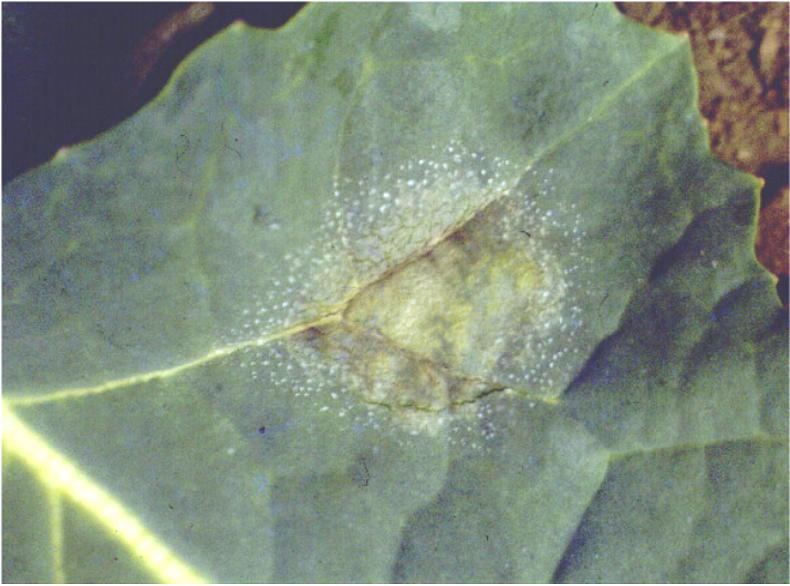
Light leaf spot is a risk to crops at present, particularly those which were not sprayed with a fungicide. Keep an eye out for it. Light leaf spot appears as white dots on a leaf.
If you can’t see it, a test to see if it is present on a crop is to pick a few leaves, place them in a plastic bag, seal it and put them at room temperature for a few days to see if the disease appears.
Prothioconazole works well on the disease, but if growers want a plant growth regulator effect, then they should look at metconazole or tebuconazole.



SHARING OPTIONS