


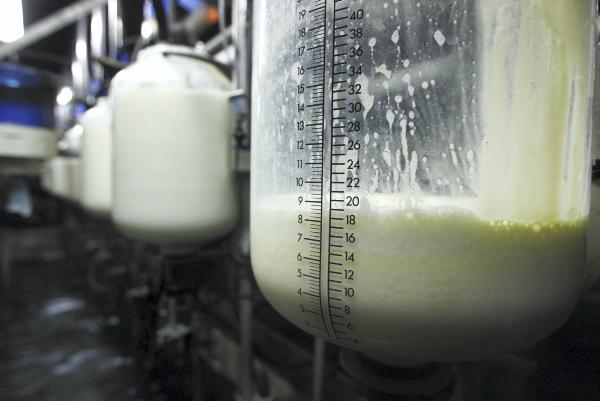
With the brakes coming off milk production in the next 12 months, many farmers are currently in expansion mode. The first step in keeping health issues to a minimum during expansion is to sit down with your vet and prepare a detailed herd health plan.
Breeding your own stock has massive health benefits as the herd remains closed, however expansion can often be slower. The majority of farmers will buy maiden heifers, in-calf heifers or cows. This can allow for faster expansion, but it also opens the farm up to disease. Ideally bought in stock, should come from as few of farms as possible to minimise risk. Stock should be purchased from a herd of known herd health status and should be tested for various diseases. Purchased animals should be isolated for a period. Where the farm has a good herd health plan, specific details like vaccination protocols for bought-in stock will be listed. This should be followed.
Farmers in expansion mode need to plan for the fodder requirements of their farm carefully. Over stocking can rapidly lead to shortages. In addition, BCS of the cows before and after calving is paramount. In a year where spring turnout is delayed due to weather, supplementation of freshly calved cows should be increased accordingly.
I have been in several yards where numbers have increased, housing and parlours have been built, yet you could see calves in all kinds of makeshift pens. Heifer calves are the future of the farm, and ensuring calves remain healthy from a young age is essential. Young calves need at least 1.2 metres squared per calf in well bedded straw pens.
Calf feeding is a separate job and time should be spent observing calves during feeding. This will help identify any sick calves at an early stage which can increase success rates if treatment is required.
For a spring calving herd, it is recommended that there is one calving pen for every 15 cows. Calving pens should have calving gates for safety and to aid management at calving. Pens should be cleaned after use and well bedded before use to minimise disease risk.
When I ask farmers if they have isolation pens, they often respond ‘’yes’’ and point to calving pens. Spring calving herds have a peak housing requirement in the spring.
Calving pens are normally all in use, and calf sheds are filling up. Having a separate shed with separate air space for isolating sick cows and calves is essential.



SHARING OPTIONS