Rotation must once again become a bigger part of modern farming practice. It is, to some degree, being imposed on farmers through greening, but it brings many benefits. As well as the potential for higher yields, rotation brings opportunities to contain some of our biggest challenges in farming today.
The benefits begin with the potential to spread the workload to help reduce the mechanisation overhead. Then there are disease control issues, plus a bigger artillery to tackle the increasingly worrying weed spectrum we have to deal with. Many of these issues were dealt with individually at the recent tillage conference and some of the aspects are reported here.
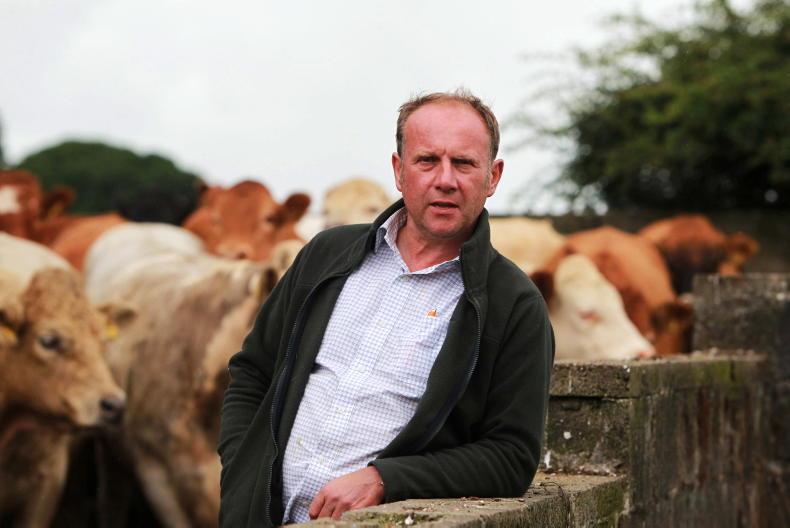
Speaking at the conference, Kildare farmer Tim Ronaldson explained that he had looked at the implications of greening for him since last summer and was somewhat relieved when the Department estimate indicated that he had 14% ecological focus area (EFA).
However, when local Teagasc adviser Ivan Whitten looked at the maps, he found that much of the EFA was not applicable. Indeed, the corrections reduced the 14% EFA back to 8.6%, which is adequate but, to be extra safe, Tim decided to plant 16ha of beans this spring, which will bring him up to 17.6% EFA.
Tim and Ivan both said that it is up to each farmer to choose the most suitable crop and EFA package for their specific farming situation. Tim said that compliance with greening is a management decision and that it is important to be in control, hence the surplus EFA in his situation.
Bring back rotations
Break crops only account for 9.6% of the cropped area in this country. This is affecting the profitability of crop production through higher costs and yield constraint. But interest in break crops is increasing and John Carroll of Oak Park outlined how Teagasc is responding to the need for more break crop research.
A recent agreement between IFA and Teagasc is to financially support break crops research. John said that Teagasc is now looking at break crops on a number of different levels. Field trial research is taking place on oilseed rape, beans and sugar beet; there is a separate research programme on oats; a desk study is looking at a broad range of potential break crops; and a component of the VICCI high-tech study will assess the more important traits needed in bean varieties for this climate.
John reported that some bean agronomy trials have already taken place and these will be expanded in 2015 to look at varieties, seed rates, sowing dates, disease/weed control and fertilization. Previous Teagasc work on rotations over 15 years found that yields in both winter wheat and winter barley benefited by 11% and 9%, respectively, from following a break crop.
John outlined many husbandry issues where research is needed. Seed rate and establishment system are among these, coupled with an improved understanding of how these interact with crop physiology and growth. Crops that are too thin may be yield limited and more troubled by weeds, while canopies that are too dense may get more disease, grow too tall and lodge.
Winter bean trials 2014
One trial last year looked at the performance of winter bean varieties and this also included winter-sown Fuego (our main spring variety). Interestingly, the best performer was Fuego. The winter sowing of spring varieties was common two decades or so ago, but successful disease control became the biggest challenge.
The performance of Fuego in this trial in 2014 was helped by the low bean disease incidence last year. A specific disease control trial on spring-sown beans resulted in no-yield benefit from fungicide application (last year) from either one, two or three fungicide applications.
A seeding rate trial found the optimum number of seeds to be around 45/m2, or slightly higher. This is higher than might have been recommended previously and John warned that this was only one year’s results and must be treated with caution. While 15 seeds/m2 appeared to limit grain yield, the weight of pods produced was similar from 30, 45 and 60 seeds/m2 seeding rates.
A trial looking at early nitrogen to help boost early canopy development on the different seeding rates found no benefit from either 20 of 40kgN/ha at any of the seed rates.
Husbandry advice
Now is the time to plant spring beans and many farmers are already planting. Some farmers will have them for the first time in 2015, so John’s husbandry advice is timely. And there is still a bit of seed available for anyone interested, despite the probable increase in acreage.
A medium to heavy soil type is preferable as good moisture retention is important. Soil pH needs to be around 6.5 to 7.0. Apply P and K according to soil test and watch for possible magnesium, zinc or manganese deficiency.
Fuego will be the main variety, but there will also be some Fanfare, Vertigo and Boxer available. The target number of established plants is 25/m2 to 30/m2, so the advice is to plant 30 to 35 seeds/m2. There can be large differences in seed size, so this may result in a seeding rate of between 150kg and 200kg/ha (9 to 12.5st/ac).
Early planting is best – from early February to mid-March. It is preferable to plant around 10cm (4in) deep for a number of reasons. Planting can be done by one-pass or strip till drills. Weed control will generally involve a mix of Nirvana and Lingo. Basagran is the only post-emerge herbicide option and it has limited spectrum. Grass weeds can be controlled with a range of graminicides.
Control of bean weevil may be necessary, using a standard insecticide, if leaf notching is prominent early post-emergence. Control of ascochyta (very difficult), chocolate spot or downy mildew is also necessary.
Sugar beet varieties
A number of trials looked at sugar beet variety performance, relative to Magnum fodder beet, at a number of sites in 2014. At the Oak Park site, these new varieties yielded between 70t and 80t/ha of clean beet at 22.5% dry matter. At other sites, the best of the sugar beet varieties were up to 100 t/ha.
The fact that these sugar beet yields were either side of Magnum indicates the significant yield improvement in sugar beet yields in the past decade. The combination of root yield and sugar content resulted in sugar yields from 12 to almost 14t/ha at the Oak Park site.
Green manures
Planting a short-term crop between two main season crops can be useful in terms of preventing nutrient loss and protecting the soil. At the conference, Richie Hackett told us that a number of different species, or mix of species, effectively bring the same potential advantages, but individual species can have different effects, either positive or negative, for following crops.
A range of different species can be used from grasses, cereals, brassicas, legumes and phacelia. They can bring a range of benefits to the soil and the environment and some can be used as fodder. Their net benefit is season specific.
While the effect on soil organic matter will be small, over time the incorporation of this organic material can bring a disproportionate benefit to soil biological activity.
The benefit in terms of helping subsequent crop yields is less certain, Richie said. Both positive and negative results have been found. Lighter soils are more likely to show yield benefits, but increased biological activity can benefit all soils in different ways, apart from yield.
Improving structure is a useful objective in most fields and these crops can help. They can trap nutrients in the autumn, but the timing of their subsequent re-release is uncertain in our climate.
Planting can be a challenge where seed mixtures are being used, as broadcast spreading is impractical with a mix of big and small seeds. However, planting date is important to their potential benefit and early is best as more organic material will be produced.
But planting can be too early as some species could go to seed, leaving a subsequent problem.
Autumn growth is influenced by the amount of nitrogen available in the soil, which is left over from the previous crop. The addition of a legume to a mix helps generate more growth and it is also a bit more likely to supply additional N to the following crop.
SDHIs holding firm
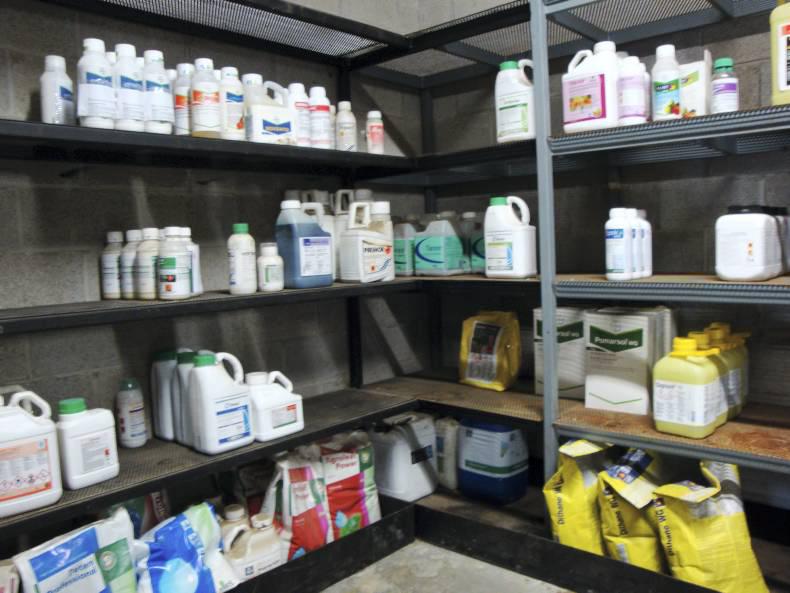
“The SDHI fungicides are holding firm against septoria according to Teagasc monitoring in 2014,” Steven Kildea of Oak Park reported. The ongoing testing of isopyrazam (IZM) has shown no major shift in septoria sensitivity since its introduction. And this is held to be indicative of the situation with all other SDHI actives also.
Steven suggested that this lack of change is being helped by the decisions growers take to actively protect these actives. Appropriate mixtures help to protect all families and this is happening and helping in practice. Steven warned of the need to continue to protect these critical actives and asked if the current situation would be different if these products were being used alone in sprays.
The battle between septoria and the triazoles is a different situation though. For a number of years, Steven has informed us of the presence of two main ‘‘families’’ of resistance that applied to epoxiconazole and tebuconazole. In the past, the decreased sensitivity within one of these groups was counteracted by the activity of the other against that specific mutant. But, a few years ago, he reported that new types had emerged that were now less successfully controlled by both fungicide categories.
Since then, these ‘‘double-resistant’’ types have proliferated at field level and are now commonly found throughout the country. These are difficult to control with triazoles, making it even more difficult to protect SDHIs. Steven said that products like epoxiconazole and tebuconazole have now lost most of their efficacy and triazole mixtures are showing lower efficacy in trails.
He emphasised that agronomy must remain an important factor in helping disease control. Things like rotation and reduced seed rate help, but variety choice and sowing date are very important. Early sowing adds greatly to the risk of septoria infection and build-up.
However, given the necessity for a level of early planting in our climate, only the most resistant variety should be sown in these slots and no highly septoria-susceptible variety should be sown anywhere. Varieties should be the first line of defence against septoria, as good resistance helps to reduce the pressure on fungicides, Steven said.
T0 – no yield benefit
A number of years of T0 fungicide use in Teagasc showed no tangible yield benefit in winter wheat trials. This was also the case in 2014 (a high early season disease pressure year). The treatments tested included Bravo alone, Rubric alone, Rubric plus Bravo, Gleam and Gleam plus Bravo. These were tested at a number of sites each year.
Barley issues
The newer strobilurin and SDHI chemistry are also important in barley. Teagasc monitoring of rhyncho over the past two years found some level of reduced sensitivity to strobilurins. However, research to date indicates that isolates with reduced sensitivity seem less able to reproduce and so this situation may not deteriorate. However, additional modes of activity should always be used when applying strobilurins to barley, Steven warned.
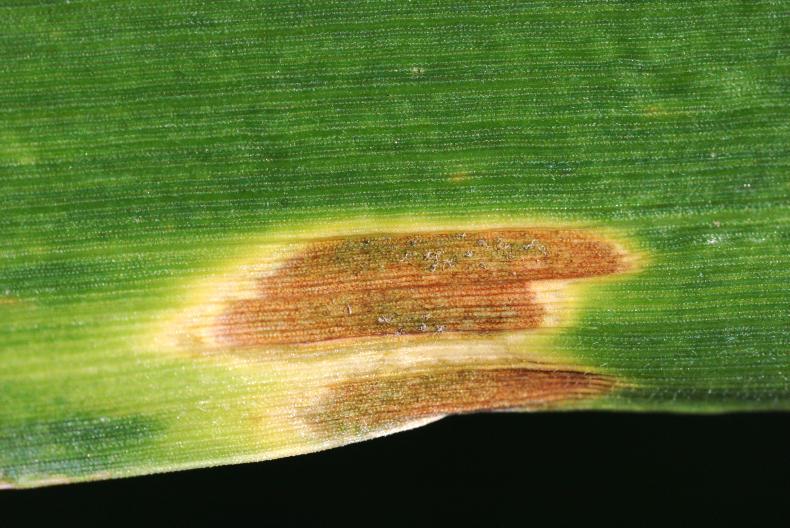
The situation with regard to net blotch is more worrying. Monitoring has shown the presence of sites with more than 25% occurrence of the F129L resistance mutation. So care is needed with the mixtures being used.
Spring barley guide
Teagasc launched a new spring barley guide at the conference. This is essential reading for all serious spring barley growers.
Launching the guide, John Spink said that this is the first such guide for spring barley. It provides growers with an easy-to-understand description of growth in the first section of the guide, followed by a crop management section to advise on how optimum crop performance can be achieved.
The guide pulls together a big body of recent spring barley research as the basis for the information. The guide provides information on cultivation, seeding rate, establishment, nitrogen management and crop nutrition, weed control, pest and disease control, crop economics and grain quality.
Many different research, advisory and industry players had an input into this guide.
Teagasc adviser Ciaran Hickey described the barley plant as a brewery, with the first section describing how the brewery works and the factors which affect productivity while the second section is about making the factory hum.
Ciaran said that it remains important to realise that barley does not recover well from setbacks.
And, in this regard, the old saying that “Well sown is half grown” still holds very true today and it remains an essential element for the widespread achievement of high yields.
The guide provides a useful combination of simple graphics, pictures and key facts and husbandry factors relating to each section.
And little facts like what part of the plant is growing at different stages of its lifecycle.
Rotation is an important component of successful crop production. SDHI fungicides retain their activity against septoria.Triazole efficacy against septoria continues to decline.T0 fungicide treatments have not offered any yield advantage.One-year research results for beans and sugar beet need to be treated with caution.
Rotation must once again become a bigger part of modern farming practice. It is, to some degree, being imposed on farmers through greening, but it brings many benefits. As well as the potential for higher yields, rotation brings opportunities to contain some of our biggest challenges in farming today.
The benefits begin with the potential to spread the workload to help reduce the mechanisation overhead. Then there are disease control issues, plus a bigger artillery to tackle the increasingly worrying weed spectrum we have to deal with. Many of these issues were dealt with individually at the recent tillage conference and some of the aspects are reported here.
Speaking at the conference, Kildare farmer Tim Ronaldson explained that he had looked at the implications of greening for him since last summer and was somewhat relieved when the Department estimate indicated that he had 14% ecological focus area (EFA).
However, when local Teagasc adviser Ivan Whitten looked at the maps, he found that much of the EFA was not applicable. Indeed, the corrections reduced the 14% EFA back to 8.6%, which is adequate but, to be extra safe, Tim decided to plant 16ha of beans this spring, which will bring him up to 17.6% EFA.
Tim and Ivan both said that it is up to each farmer to choose the most suitable crop and EFA package for their specific farming situation. Tim said that compliance with greening is a management decision and that it is important to be in control, hence the surplus EFA in his situation.
Bring back rotations
Break crops only account for 9.6% of the cropped area in this country. This is affecting the profitability of crop production through higher costs and yield constraint. But interest in break crops is increasing and John Carroll of Oak Park outlined how Teagasc is responding to the need for more break crop research.
A recent agreement between IFA and Teagasc is to financially support break crops research. John said that Teagasc is now looking at break crops on a number of different levels. Field trial research is taking place on oilseed rape, beans and sugar beet; there is a separate research programme on oats; a desk study is looking at a broad range of potential break crops; and a component of the VICCI high-tech study will assess the more important traits needed in bean varieties for this climate.
John reported that some bean agronomy trials have already taken place and these will be expanded in 2015 to look at varieties, seed rates, sowing dates, disease/weed control and fertilization. Previous Teagasc work on rotations over 15 years found that yields in both winter wheat and winter barley benefited by 11% and 9%, respectively, from following a break crop.
John outlined many husbandry issues where research is needed. Seed rate and establishment system are among these, coupled with an improved understanding of how these interact with crop physiology and growth. Crops that are too thin may be yield limited and more troubled by weeds, while canopies that are too dense may get more disease, grow too tall and lodge.
Winter bean trials 2014
One trial last year looked at the performance of winter bean varieties and this also included winter-sown Fuego (our main spring variety). Interestingly, the best performer was Fuego. The winter sowing of spring varieties was common two decades or so ago, but successful disease control became the biggest challenge.
The performance of Fuego in this trial in 2014 was helped by the low bean disease incidence last year. A specific disease control trial on spring-sown beans resulted in no-yield benefit from fungicide application (last year) from either one, two or three fungicide applications.
A seeding rate trial found the optimum number of seeds to be around 45/m2, or slightly higher. This is higher than might have been recommended previously and John warned that this was only one year’s results and must be treated with caution. While 15 seeds/m2 appeared to limit grain yield, the weight of pods produced was similar from 30, 45 and 60 seeds/m2 seeding rates.
A trial looking at early nitrogen to help boost early canopy development on the different seeding rates found no benefit from either 20 of 40kgN/ha at any of the seed rates.
Husbandry advice
Now is the time to plant spring beans and many farmers are already planting. Some farmers will have them for the first time in 2015, so John’s husbandry advice is timely. And there is still a bit of seed available for anyone interested, despite the probable increase in acreage.
A medium to heavy soil type is preferable as good moisture retention is important. Soil pH needs to be around 6.5 to 7.0. Apply P and K according to soil test and watch for possible magnesium, zinc or manganese deficiency.
Fuego will be the main variety, but there will also be some Fanfare, Vertigo and Boxer available. The target number of established plants is 25/m2 to 30/m2, so the advice is to plant 30 to 35 seeds/m2. There can be large differences in seed size, so this may result in a seeding rate of between 150kg and 200kg/ha (9 to 12.5st/ac).
Early planting is best – from early February to mid-March. It is preferable to plant around 10cm (4in) deep for a number of reasons. Planting can be done by one-pass or strip till drills. Weed control will generally involve a mix of Nirvana and Lingo. Basagran is the only post-emerge herbicide option and it has limited spectrum. Grass weeds can be controlled with a range of graminicides.
Control of bean weevil may be necessary, using a standard insecticide, if leaf notching is prominent early post-emergence. Control of ascochyta (very difficult), chocolate spot or downy mildew is also necessary.
Sugar beet varieties
A number of trials looked at sugar beet variety performance, relative to Magnum fodder beet, at a number of sites in 2014. At the Oak Park site, these new varieties yielded between 70t and 80t/ha of clean beet at 22.5% dry matter. At other sites, the best of the sugar beet varieties were up to 100 t/ha.
The fact that these sugar beet yields were either side of Magnum indicates the significant yield improvement in sugar beet yields in the past decade. The combination of root yield and sugar content resulted in sugar yields from 12 to almost 14t/ha at the Oak Park site.
Green manures
Planting a short-term crop between two main season crops can be useful in terms of preventing nutrient loss and protecting the soil. At the conference, Richie Hackett told us that a number of different species, or mix of species, effectively bring the same potential advantages, but individual species can have different effects, either positive or negative, for following crops.
A range of different species can be used from grasses, cereals, brassicas, legumes and phacelia. They can bring a range of benefits to the soil and the environment and some can be used as fodder. Their net benefit is season specific.
While the effect on soil organic matter will be small, over time the incorporation of this organic material can bring a disproportionate benefit to soil biological activity.
The benefit in terms of helping subsequent crop yields is less certain, Richie said. Both positive and negative results have been found. Lighter soils are more likely to show yield benefits, but increased biological activity can benefit all soils in different ways, apart from yield.
Improving structure is a useful objective in most fields and these crops can help. They can trap nutrients in the autumn, but the timing of their subsequent re-release is uncertain in our climate.
Planting can be a challenge where seed mixtures are being used, as broadcast spreading is impractical with a mix of big and small seeds. However, planting date is important to their potential benefit and early is best as more organic material will be produced.
But planting can be too early as some species could go to seed, leaving a subsequent problem.
Autumn growth is influenced by the amount of nitrogen available in the soil, which is left over from the previous crop. The addition of a legume to a mix helps generate more growth and it is also a bit more likely to supply additional N to the following crop.
SDHIs holding firm
“The SDHI fungicides are holding firm against septoria according to Teagasc monitoring in 2014,” Steven Kildea of Oak Park reported. The ongoing testing of isopyrazam (IZM) has shown no major shift in septoria sensitivity since its introduction. And this is held to be indicative of the situation with all other SDHI actives also.
Steven suggested that this lack of change is being helped by the decisions growers take to actively protect these actives. Appropriate mixtures help to protect all families and this is happening and helping in practice. Steven warned of the need to continue to protect these critical actives and asked if the current situation would be different if these products were being used alone in sprays.
The battle between septoria and the triazoles is a different situation though. For a number of years, Steven has informed us of the presence of two main ‘‘families’’ of resistance that applied to epoxiconazole and tebuconazole. In the past, the decreased sensitivity within one of these groups was counteracted by the activity of the other against that specific mutant. But, a few years ago, he reported that new types had emerged that were now less successfully controlled by both fungicide categories.
Since then, these ‘‘double-resistant’’ types have proliferated at field level and are now commonly found throughout the country. These are difficult to control with triazoles, making it even more difficult to protect SDHIs. Steven said that products like epoxiconazole and tebuconazole have now lost most of their efficacy and triazole mixtures are showing lower efficacy in trails.
He emphasised that agronomy must remain an important factor in helping disease control. Things like rotation and reduced seed rate help, but variety choice and sowing date are very important. Early sowing adds greatly to the risk of septoria infection and build-up.
However, given the necessity for a level of early planting in our climate, only the most resistant variety should be sown in these slots and no highly septoria-susceptible variety should be sown anywhere. Varieties should be the first line of defence against septoria, as good resistance helps to reduce the pressure on fungicides, Steven said.
T0 – no yield benefit
A number of years of T0 fungicide use in Teagasc showed no tangible yield benefit in winter wheat trials. This was also the case in 2014 (a high early season disease pressure year). The treatments tested included Bravo alone, Rubric alone, Rubric plus Bravo, Gleam and Gleam plus Bravo. These were tested at a number of sites each year.
Barley issues
The newer strobilurin and SDHI chemistry are also important in barley. Teagasc monitoring of rhyncho over the past two years found some level of reduced sensitivity to strobilurins. However, research to date indicates that isolates with reduced sensitivity seem less able to reproduce and so this situation may not deteriorate. However, additional modes of activity should always be used when applying strobilurins to barley, Steven warned.
The situation with regard to net blotch is more worrying. Monitoring has shown the presence of sites with more than 25% occurrence of the F129L resistance mutation. So care is needed with the mixtures being used.
Spring barley guide
Teagasc launched a new spring barley guide at the conference. This is essential reading for all serious spring barley growers.
Launching the guide, John Spink said that this is the first such guide for spring barley. It provides growers with an easy-to-understand description of growth in the first section of the guide, followed by a crop management section to advise on how optimum crop performance can be achieved.
The guide pulls together a big body of recent spring barley research as the basis for the information. The guide provides information on cultivation, seeding rate, establishment, nitrogen management and crop nutrition, weed control, pest and disease control, crop economics and grain quality.
Many different research, advisory and industry players had an input into this guide.
Teagasc adviser Ciaran Hickey described the barley plant as a brewery, with the first section describing how the brewery works and the factors which affect productivity while the second section is about making the factory hum.
Ciaran said that it remains important to realise that barley does not recover well from setbacks.
And, in this regard, the old saying that “Well sown is half grown” still holds very true today and it remains an essential element for the widespread achievement of high yields.
The guide provides a useful combination of simple graphics, pictures and key facts and husbandry factors relating to each section.
And little facts like what part of the plant is growing at different stages of its lifecycle.
Rotation is an important component of successful crop production. SDHI fungicides retain their activity against septoria.Triazole efficacy against septoria continues to decline.T0 fungicide treatments have not offered any yield advantage.One-year research results for beans and sugar beet need to be treated with caution. 






SHARING OPTIONS