Beef Management: beef welfare scheme, clostridial vaccines and temporary housing
In this week's beef management notes, Adam Woods takes a look at the new beef welfare scheme, clostridial vaccines and temporary housing of cows in the current weather conditions.
National Beef Welfare Scheme: I have received a lot of questions and queries in relation to the new National Beef Welfare Scheme (replacement for BEEP scheme). Many of the queries are in relation to whether there will be any changes made to the IBR element of the scheme. With such a short turnaround to the closing date of 12 September, it’s highly unlikely there will be any changes made to the two mandatory actions - meal feeding and IBR sampling. Farmers are frustrated that they can’t see merit in sampling their herd, but speaking to a few farmers who have had the experience of a bad IBR outbreak they would have been very happy to identify the problem in their herd and start a vaccination programme. There is a reduced penalty schedule under this scheme and farmers who fail to comply with both actions will receive a 10% penalty and no payment on the action not completed. This would mean a farmer with 40 cows would receive a payment of €1,230 for their farm if the IBR testing wasn’t completed, as opposed to the maximum payment of €1,700 if all actions were completed. It’s a very simple two-click application process on agfood.ie, with the number of cows that calved in your herd between 1 July 2022 and 30 June 2023. This will be the number of cows you will be paid on in the scheme. See Farm Finance (P55) for more.
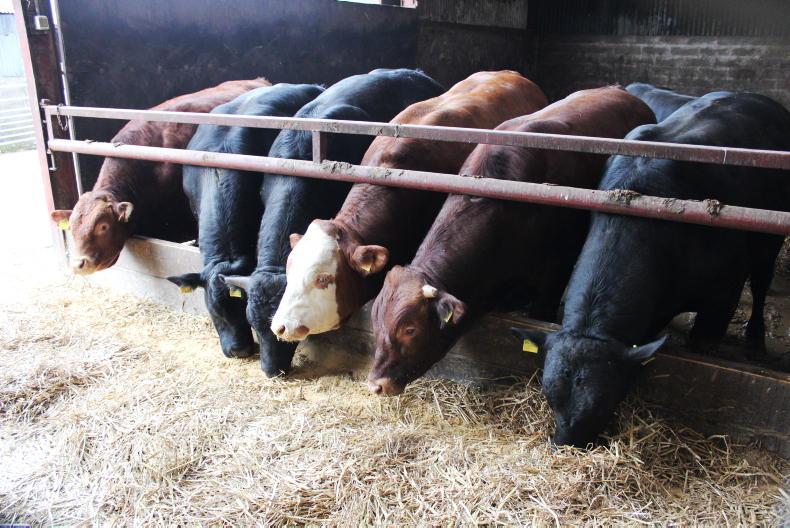
Housed cattle: A lot of cattle have been housed over the last week, especially on suckler farms in the northwest. With temperatures remaining warm, keep an eye on any young calves or weanlings that have been housed with cows. Ideally, these calves or weanlings should have access to a bedded creep area. They should also be fed meal to reduce the stress levels around the change of surroundings and the change in diet. Don’t be tempted to wean straight away once housed. Too much stress could bring other issues such as pneumonia, so better to let the cattle settle in for a few days first. The forecast is better for the weekend and early next week, so hopefully the current break in grazing will be short-lived and a long autumn grazing season awaits.
Clostridia Vaccine: Around this time of year, there are always a number of incidences of blackleg and clostridia disease, which result in sudden death of weanlings. This is especially frustrating where weanlings are coming ready for sale. It’s sometimes surprising the number of farms that don’t bother with a clostridia vaccine. If clostridia disease has been a problem on your farm in the past, it’s important that you vaccinate against it to prevent sudden deaths. The 10-in-1 vaccines are the best to use, in that they give the maximum protection. It’s a two-shot programme and it’s very important to follow up with the second shot four to six weeks after the initial shot. This vaccine will give six months of cover for a number of these diseases. Take care when injecting that you use gloves and that the needle is changed often. Unsightly vaccination lumps don’t look good in the sales ring and can lead to losses in carcase weight and cut quality. Consult with your vet as to the risk level on the farm and whether to vaccinate or not.
ADVERTISEMENT
Register for free to read this story and our free stories.
This content is available to digital subscribers and loyalty code users only. Sign in to your account, use the code or subscribe to get unlimited access.
The reader loyalty code gives you full access to the site from when you enter it until the following Wednesday at 9pm. Find your unique code on the back page of Irish Country Living every week.
CODE ACCEPTED
You have full access to the site until next Wednesday at 9pm.
CODE NOT VALID
Please try again or contact support.
National Beef Welfare Scheme: I have received a lot of questions and queries in relation to the new National Beef Welfare Scheme (replacement for BEEP scheme). Many of the queries are in relation to whether there will be any changes made to the IBR element of the scheme. With such a short turnaround to the closing date of 12 September, it’s highly unlikely there will be any changes made to the two mandatory actions - meal feeding and IBR sampling. Farmers are frustrated that they can’t see merit in sampling their herd, but speaking to a few farmers who have had the experience of a bad IBR outbreak they would have been very happy to identify the problem in their herd and start a vaccination programme. There is a reduced penalty schedule under this scheme and farmers who fail to comply with both actions will receive a 10% penalty and no payment on the action not completed. This would mean a farmer with 40 cows would receive a payment of €1,230 for their farm if the IBR testing wasn’t completed, as opposed to the maximum payment of €1,700 if all actions were completed. It’s a very simple two-click application process on agfood.ie, with the number of cows that calved in your herd between 1 July 2022 and 30 June 2023. This will be the number of cows you will be paid on in the scheme. See Farm Finance (P55) for more.
Housed cattle: A lot of cattle have been housed over the last week, especially on suckler farms in the northwest. With temperatures remaining warm, keep an eye on any young calves or weanlings that have been housed with cows. Ideally, these calves or weanlings should have access to a bedded creep area. They should also be fed meal to reduce the stress levels around the change of surroundings and the change in diet. Don’t be tempted to wean straight away once housed. Too much stress could bring other issues such as pneumonia, so better to let the cattle settle in for a few days first. The forecast is better for the weekend and early next week, so hopefully the current break in grazing will be short-lived and a long autumn grazing season awaits.
Clostridia Vaccine: Around this time of year, there are always a number of incidences of blackleg and clostridia disease, which result in sudden death of weanlings. This is especially frustrating where weanlings are coming ready for sale. It’s sometimes surprising the number of farms that don’t bother with a clostridia vaccine. If clostridia disease has been a problem on your farm in the past, it’s important that you vaccinate against it to prevent sudden deaths. The 10-in-1 vaccines are the best to use, in that they give the maximum protection. It’s a two-shot programme and it’s very important to follow up with the second shot four to six weeks after the initial shot. This vaccine will give six months of cover for a number of these diseases. Take care when injecting that you use gloves and that the needle is changed often. Unsightly vaccination lumps don’t look good in the sales ring and can lead to losses in carcase weight and cut quality. Consult with your vet as to the risk level on the farm and whether to vaccinate or not.
If you would like to speak to a member of our team, please call us on 01-4199525.
Link sent to your email address
We have sent an email to your address. Please click on the link in this email to reset your password. If you can't find it in your inbox, please check your spam folder. If you can't find the email, please call us on 01-4199525.
ENTER YOUR LOYALTY CODE:
The reader loyalty code gives you full access to the site from when you enter it until the following Wednesday at 9pm. Find your unique code on the back page of Irish Country Living every week.






SHARING OPTIONS