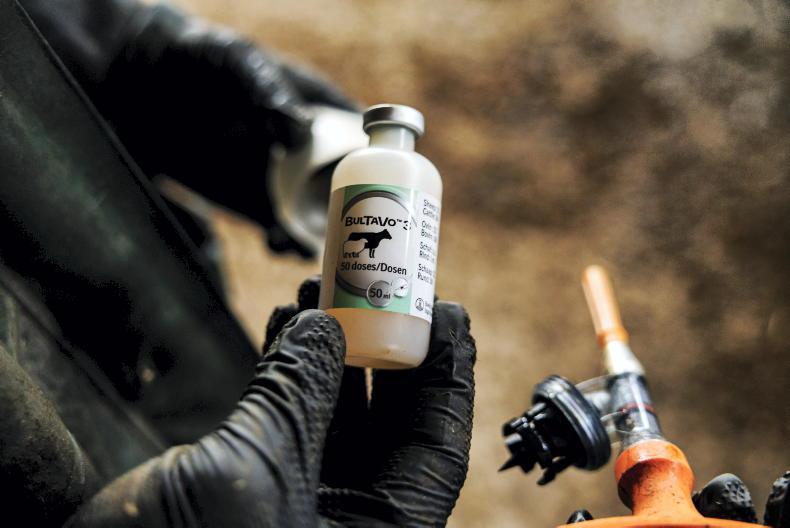
Last month, a number of cattle imported into Scotland were identified as having bluetongue, however DEFRA has said that the risk level remains low for the disease making landfall through the air.
The risk of a bluetongue virus incursion into the UK population is low, the latest report from DEFRA states. The low risk level reflects the low levels of infection in northern France.
Since DEFRA’s last update in July, France has reported 474 BTV-8 positive cases, the peak of reports was made in October. There has been no expansion of the surveillance zone and no new cases have been reported from near the French northern coast.
Scottish authorities identified the disease in 10 imported cattle from France last month.
ADVERTISEMENT
Register for free to read this story and our free stories.
This content is available to digital subscribers and loyalty code users only. Sign in to your account, use the code or subscribe to get unlimited access.
However, if you would like to share the information in this article, you may use the headline, summary and link below:
Title: Bluetongue risk 'low'
Last month, a number of cattle imported into Scotland were identified as having bluetongue, however DEFRA has said that the risk level remains low for the disease making landfall through the air.
The reader loyalty code gives you full access to the site from when you enter it until the following Wednesday at 9pm. Find your unique code on the back page of Irish Country Living every week.
CODE ACCEPTED
You have full access to the site until next Wednesday at 9pm.
CODE NOT VALID
Please try again or contact support.
The risk of a bluetongue virus incursion into the UK population is low, the latest report from DEFRA states. The low risk level reflects the low levels of infection in northern France.
Since DEFRA’s last update in July, France has reported 474 BTV-8 positive cases, the peak of reports was made in October. There has been no expansion of the surveillance zone and no new cases have been reported from near the French northern coast.
Scottish authorities identified the disease in 10 imported cattle from France last month.
If you would like to speak to a member of our team, please call us on 01-4199525.
Link sent to your email address
We have sent an email to your address. Please click on the link in this email to reset your password. If you can't find it in your inbox, please check your spam folder. If you can't find the email, please call us on 01-4199525.
ENTER YOUR LOYALTY CODE:
The reader loyalty code gives you full access to the site from when you enter it until the following Wednesday at 9pm. Find your unique code on the back page of Irish Country Living every week.
SHARING OPTIONS