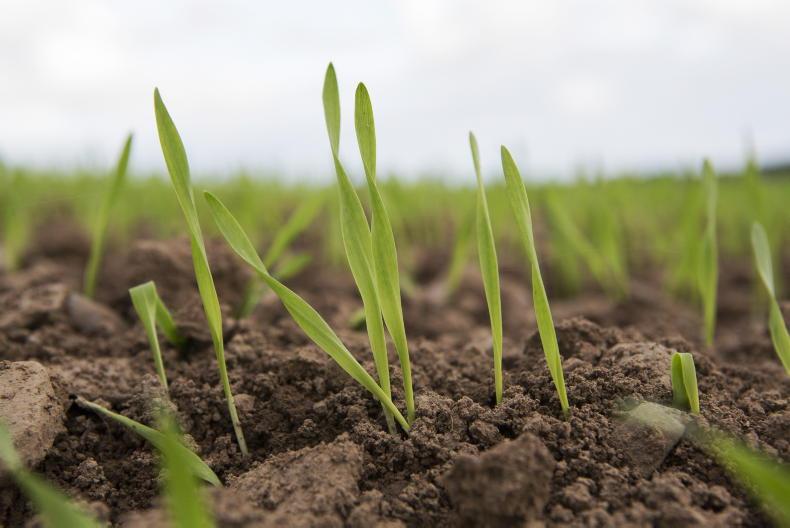
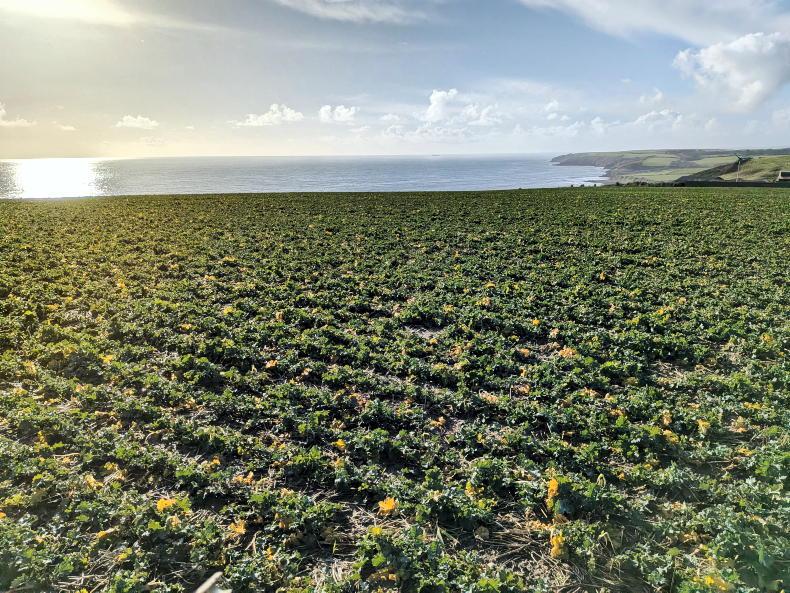
As the minister continues his ambition for more tillage and Irish grain, it looks increasingly likely that 2023 may well be a year of lower national grain yield than 2022.
A combination of a lower tillage area, lower yield potential and still a lot of work to be completed in the northeast and south Wexford all point to a lower national grain output. As the forward price heads closer to €200/t for barley, yield potential becomes increasingly important for farmers.
Costs
ADVERTISEMENT
Siobhán Walsh suggests farmers need to be really careful managing costs from here on as margins tighten.
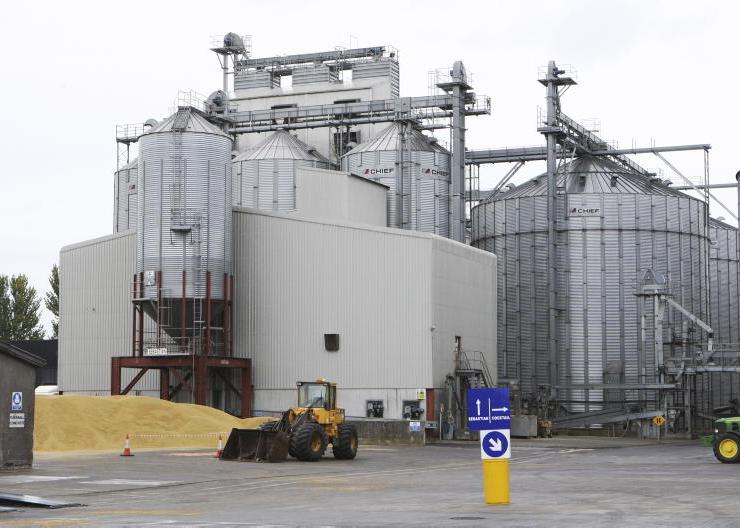
Reading the contaminated food byproduct story, it shows how vulnerable the quality assurance schemes are and that they are all only as good as the weakest link in the chain.
We can’t let standards slip on any part of the journey, and while cheap imports might look good value to an individual farmer, if contaminated they can be very damaging to an industry.
Register for free to read this story and our free stories.
This content is available to digital subscribers and loyalty code users only. Sign in to your account, use the code or subscribe to get unlimited access.
The reader loyalty code gives you full access to the site from when you enter it until the following Wednesday at 9pm. Find your unique code on the back page of Irish Country Living every week.
CODE ACCEPTED
You have full access to the site until next Wednesday at 9pm.
CODE NOT VALID
Please try again or contact support.
As the minister continues his ambition for more tillage and Irish grain, it looks increasingly likely that 2023 may well be a year of lower national grain yield than 2022.
A combination of a lower tillage area, lower yield potential and still a lot of work to be completed in the northeast and south Wexford all point to a lower national grain output. As the forward price heads closer to €200/t for barley, yield potential becomes increasingly important for farmers.
Costs
Siobhán Walsh suggests farmers need to be really careful managing costs from here on as margins tighten.
Reading the contaminated food byproduct story, it shows how vulnerable the quality assurance schemes are and that they are all only as good as the weakest link in the chain.
We can’t let standards slip on any part of the journey, and while cheap imports might look good value to an individual farmer, if contaminated they can be very damaging to an industry.
If you would like to speak to a member of our team, please call us on 01-4199525.
Link sent to your email address
We have sent an email to your address. Please click on the link in this email to reset your password. If you can't find it in your inbox, please check your spam folder. If you can't find the email, please call us on 01-4199525.
ENTER YOUR LOYALTY CODE:
The reader loyalty code gives you full access to the site from when you enter it until the following Wednesday at 9pm. Find your unique code on the back page of Irish Country Living every week.







SHARING OPTIONS