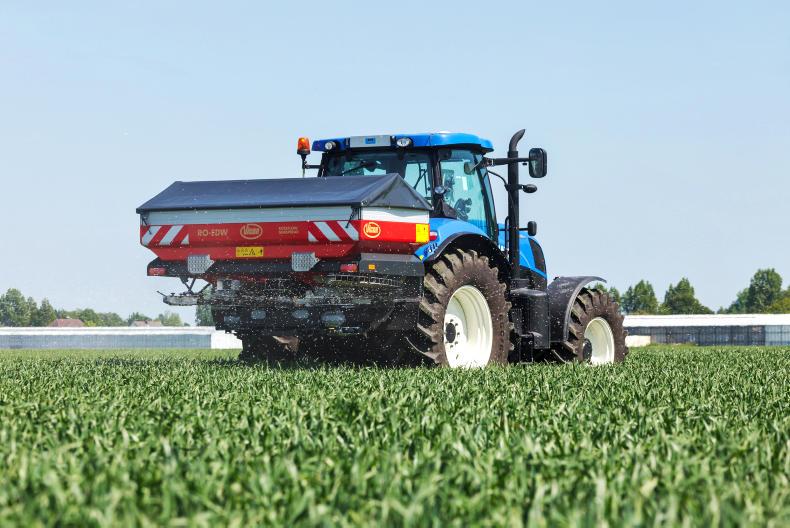
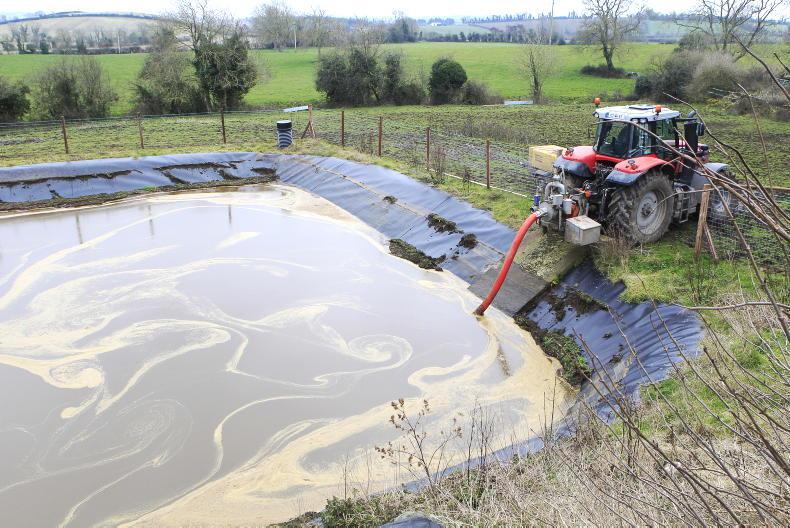
More efficient use of slurry, which contains organic phosphorous, on farms has helped reduce the amount of phosphorous Ireland imports from places such as Morocco, Tunisia and Russia. The quantity of inorganic phosphorous used by Irish farmers has decreased from a high of 50,000t in 1989 to a total of 41,893t in 2016/17.
Mineral phosphorous is a non-renewable resource and is mined from quarries of igneous and sedimentary rock. Over 95% of the remaining reserves are controlled by five countries, including Morocco, China, USA, South Africa and Jordan.
It is listed in the European Commission’s critical list of raw materials, as it is of strategic importance for the European economy but there is high risks associated with its supply.
In a parliamentary question this week, Catherine Martin, asked the Minister for Agriculture if any contingency plans are being developed to address future shortages.
“The EU Commission Regulatory Impact Assessment on the proposed Fertiliser Regulation reported that the use of recycled nutrients in the EU could replace up to 30% of the imported phosphorous requirements,” Minister Michael Creed said. He added that the 2018-2020 Nitrates Action Programme for Ireland “encourages the efficient use of phosphorous fertiliser and maximises the Phosphorous contribution from animal manures".
The Department of Agriculture has also supported the proposal for an EU Regulation on Fertilisers whereby recycling of waste materials eg digestates, composts, food industry by-products and animal by-products can be transformed into organic fertilisers.
Read more
Farmers at competitive disadvantage on fertiliser prices
More efficient use of slurry, which contains organic phosphorous, on farms has helped reduce the amount of phosphorous Ireland imports from places such as Morocco, Tunisia and Russia. The quantity of inorganic phosphorous used by Irish farmers has decreased from a high of 50,000t in 1989 to a total of 41,893t in 2016/17.
Mineral phosphorous is a non-renewable resource and is mined from quarries of igneous and sedimentary rock. Over 95% of the remaining reserves are controlled by five countries, including Morocco, China, USA, South Africa and Jordan.
It is listed in the European Commission’s critical list of raw materials, as it is of strategic importance for the European economy but there is high risks associated with its supply.
In a parliamentary question this week, Catherine Martin, asked the Minister for Agriculture if any contingency plans are being developed to address future shortages.
“The EU Commission Regulatory Impact Assessment on the proposed Fertiliser Regulation reported that the use of recycled nutrients in the EU could replace up to 30% of the imported phosphorous requirements,” Minister Michael Creed said. He added that the 2018-2020 Nitrates Action Programme for Ireland “encourages the efficient use of phosphorous fertiliser and maximises the Phosphorous contribution from animal manures".
The Department of Agriculture has also supported the proposal for an EU Regulation on Fertilisers whereby recycling of waste materials eg digestates, composts, food industry by-products and animal by-products can be transformed into organic fertilisers.
Read more
Farmers at competitive disadvantage on fertiliser prices






SHARING OPTIONS