Over the last month, all advice has been geared towards building grass covers
ADVERTISEMENT
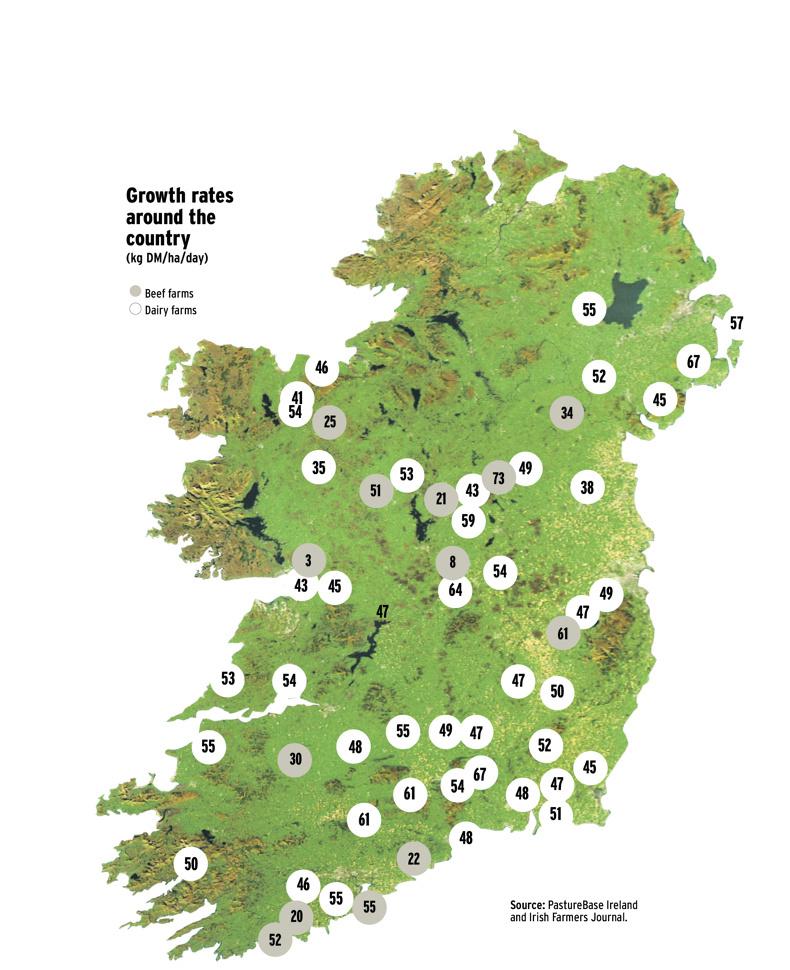
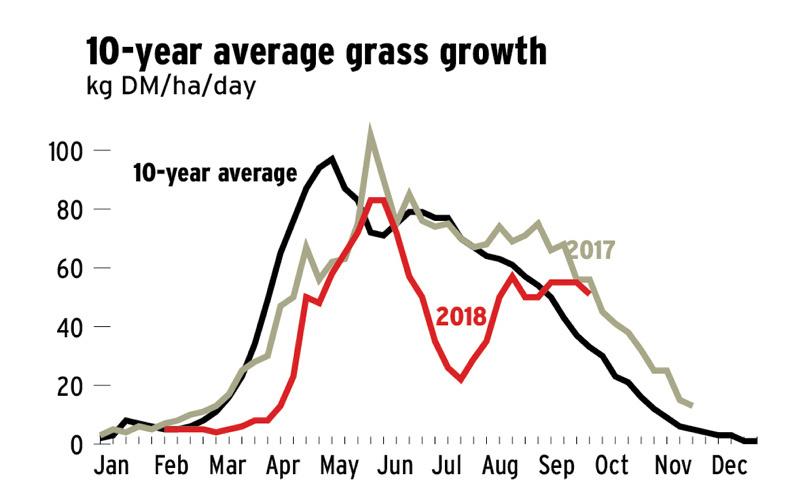
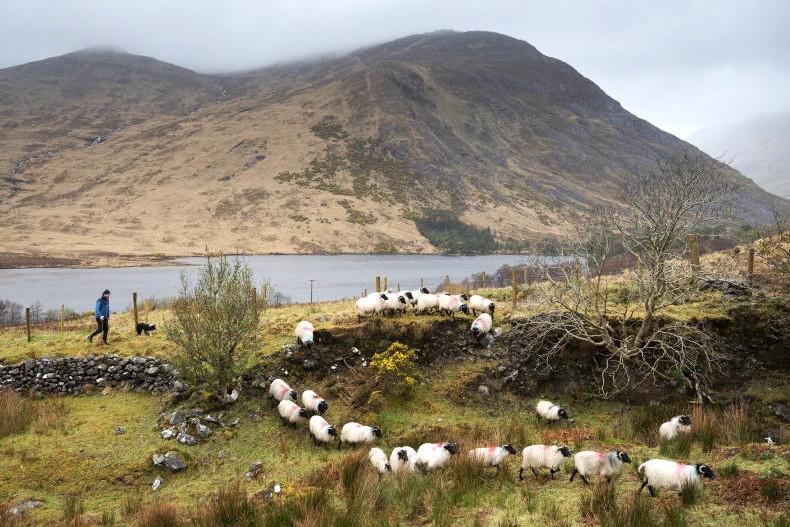
Growth rates across the country have held firm this week, dropping to just under 50kg DM/ha/day. However, what is even more welcoming is the positive weather forecast. For the remainder of the week and right through the weekend, Met Éireann is forecasting prolonged dry periods and daytime temperatures to reach somewhere in the mid-teens. While the low nighttime temperatures may still cause grass growth rates to drop, a dry period would be very welcome to maintain ground conditions. Just last week, many wetter farms, in the west and north in particular, were only days away from having to house stock but this threat has eased for now.
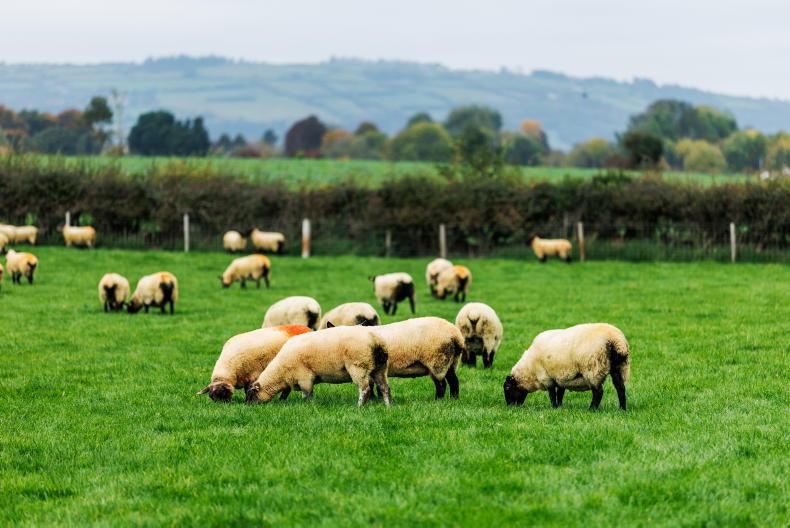
Over the last month, all advice has been geared towards building grass covers, mainly through spreading fertiliser and to a lesser extent increasing supplementation to finishing stock or increasing buffer feeding at grass to reduce demand. Now that the majority of farms have reached their peak farm cover over the last week, the next objective is to graze it correctly. In this week’s BETTER Farm beef challenge update on page 39, I have put together a simple timeline of the key dates in managing autumn grazing on both wet and dry farms.
Autumn grazing planner
ADVERTISEMENT
To successfully graze grass in the autumn, completing an autumn grazing planner is a must-do exercise. The beauty of this planner is that you can make it as simple or as complicated as you want. Sitting down and working out the exact area to be grazed each week is at the complex end of the scale while simply writing down the fields you want grazed by the first of November and subsequently by the first of December is a simpler approach to take. There are a few key points to remember:
Start closing in the first week of October.
Aim to have over half of farm closed by the first week in November.
Close the driest fields first so they are available next spring.
Aim to have the whole farm closed by 1 December.
This timeframe comes forward 10 days for wetter farms.
This content is available to digital subscribers and loyalty code users only. Sign in to your account, use the code or subscribe to get unlimited access.
The reader loyalty code gives you full access to the site from when you enter it until the following Wednesday at 9pm. Find your unique code on the back page of Irish Country Living every week.
CODE ACCEPTED
You have full access to the site until next Wednesday at 9pm.
CODE NOT VALID
Please try again or contact support.
Growth rates across the country have held firm this week, dropping to just under 50kg DM/ha/day. However, what is even more welcoming is the positive weather forecast. For the remainder of the week and right through the weekend, Met Éireann is forecasting prolonged dry periods and daytime temperatures to reach somewhere in the mid-teens. While the low nighttime temperatures may still cause grass growth rates to drop, a dry period would be very welcome to maintain ground conditions. Just last week, many wetter farms, in the west and north in particular, were only days away from having to house stock but this threat has eased for now.
Over the last month, all advice has been geared towards building grass covers, mainly through spreading fertiliser and to a lesser extent increasing supplementation to finishing stock or increasing buffer feeding at grass to reduce demand. Now that the majority of farms have reached their peak farm cover over the last week, the next objective is to graze it correctly. In this week’s BETTER Farm beef challenge update on page 39, I have put together a simple timeline of the key dates in managing autumn grazing on both wet and dry farms.
Autumn grazing planner
To successfully graze grass in the autumn, completing an autumn grazing planner is a must-do exercise. The beauty of this planner is that you can make it as simple or as complicated as you want. Sitting down and working out the exact area to be grazed each week is at the complex end of the scale while simply writing down the fields you want grazed by the first of November and subsequently by the first of December is a simpler approach to take. There are a few key points to remember:
Start closing in the first week of October.
Aim to have over half of farm closed by the first week in November.
Close the driest fields first so they are available next spring.
Aim to have the whole farm closed by 1 December.
This timeframe comes forward 10 days for wetter farms.
If you would like to speak to a member of our team, please call us on 01-4199525.
Link sent to your email address
We have sent an email to your address. Please click on the link in this email to reset your password. If you can't find it in your inbox, please check your spam folder. If you can't find the email, please call us on 01-4199525.
ENTER YOUR LOYALTY CODE:
The reader loyalty code gives you full access to the site from when you enter it until the following Wednesday at 9pm. Find your unique code on the back page of Irish Country Living every week.






SHARING OPTIONS